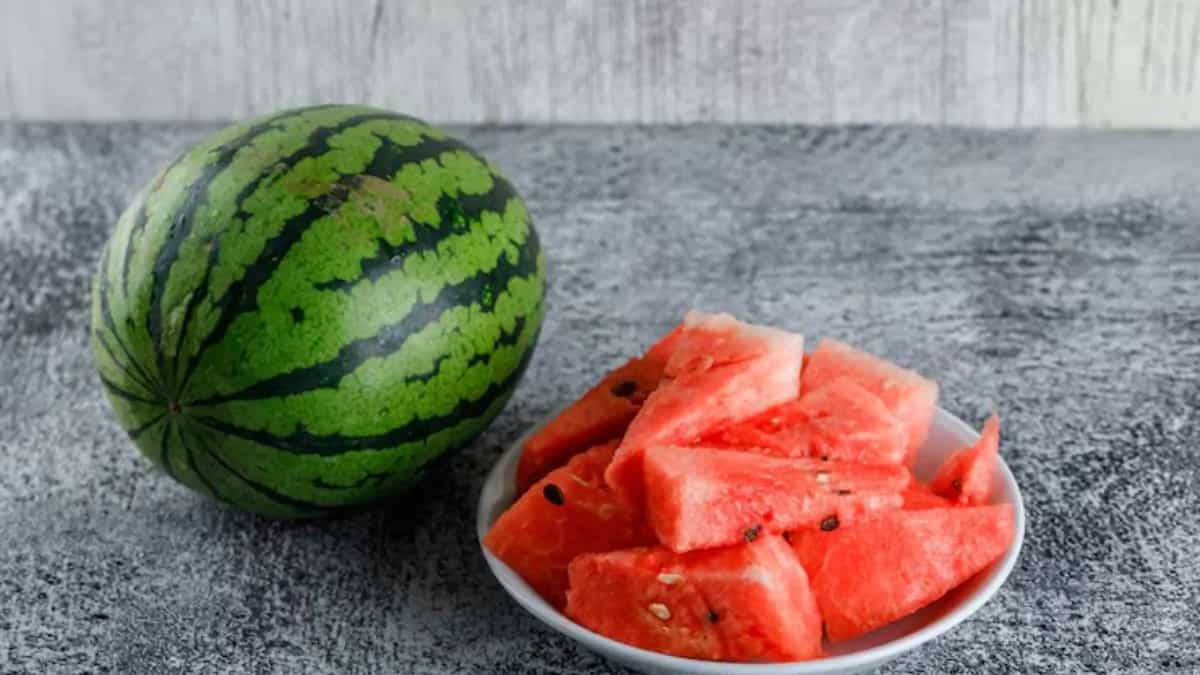
It's officially the watermelon season, and buying them is more like a guessing game. You tap it, lift the biggest one possible, and only to wonder whether it will turn out sweet or not when you finally get to the first slice. Particularly during the summer season, when watermelons turn into an everyday staple, picking the right one can make all the difference between eating it joyfully or just grumping over the wasted buy.
The truth is, there are a few very predictable signs that, if you know them, can help you know whether or not a watermelon is sweet before you buy it and take it home. These are not just random tricks but observations based on how the fruit grows, turns ripe, and then stores sugar. From the colour of its field spot to its weight and texture, even the tiniest detail can tell you whether to buy that tempting green watermelon or not.
Ways To Check If A Watermelon Is Sweet
Once you get the hang of these small tricks, choosing a good watermelon will no longer be a guessing game, but more of a skill you can depend on every time you shop.
Look For The Field Spot
The field spot is the creamy patch where the watermelon rests on the ground while ripening. This is one of the most dependable indicators to test its sweetness. A deep yellow or slightly orange field spot generally means that the fruit has had enough time to ripen fully on the vine, allowing sugars to develop properly. If the spot appears pale, white, or hardly visible, it can mean the watermelon was picked too early and may not be sweet. This is a small detail that is overlooked by many, but it reveals how naturally the fruit has developed before going out to the market.
(Image credit: Freepik)
Check The Weight
A sign of a good watermelon is that it should feel heavier than it appears to be. When you pick it up, it should have a solid, dense weight for its size. This usually means that the fruit is full of water, which is closely linked to juiciness and sweetness. If the watermelon is light, it has less water content and, in many cases, a less enjoyable texture. Try comparing two watermelons of similar size, and pick one that feels heavier in your hands. It’s a simple check, but one that often gets you a juicier, sweeter fruit.
Tap And Listen
The tapping technique may seem old-school, but it works if you know exactly how to listen for it. Gently tap the watermelon and pay attention to the sound it produces. A ripe, sweet watermelon will usually produce a deep, hollow sound, showing that it’s full of water and correctly matured. If the sound feels dull or flat, it can be overripe or just lacking freshness. While this method takes a bit of practice to clearly understand, mixing it with other signs can improve your chances of selecting a good one significantly.
(Image credit: Freepik)
Observe The Skin And Stripes
The outer skin of a watermelon can reveal more than you can expect. Look for a dull, lightly matte finish instead of a shiny surface. A glossy watermelon usually means it was picked before it can fully ripen. The stripes should also be well-defined and uniform in distinction. Dark green stripes that have lighter green bands usually show healthy growth. Avoid fruits that have too many scratches, soft spots, or uneven colouring. A firm, evenly textured skin means the fruit developed correctly and is more likely to be sweet within.
Check The Shape And Firmness
A good watermelon should have a consistent shape, either round or oval, and without irregular bumps or dents. Uneven shapes can sometimes show inconsistent growth, which may impact taste and texture. Check by pressing the surface lightly; it feels firm all around without any soft spots. Soft patches may indicate that it has overripened, or there can be internal damage as well. A well-shaped, firm watermelon usually means steady growth conditions, which often result in more satisfactory sweetness.
Look For Sugar Spots Or Webbing
Those brown, rough patches or web-like markings on the outer surface, often called sugar spots, are actually a good sign. They show where sugar has seeped out during ripening, proposing a sweeter fruit within. While they may not look attractive at first glance, these marks are often related to higher sugar content. However, don’t confuse them with damage or rot, as true sugar spots are dry and rough, and not soft.