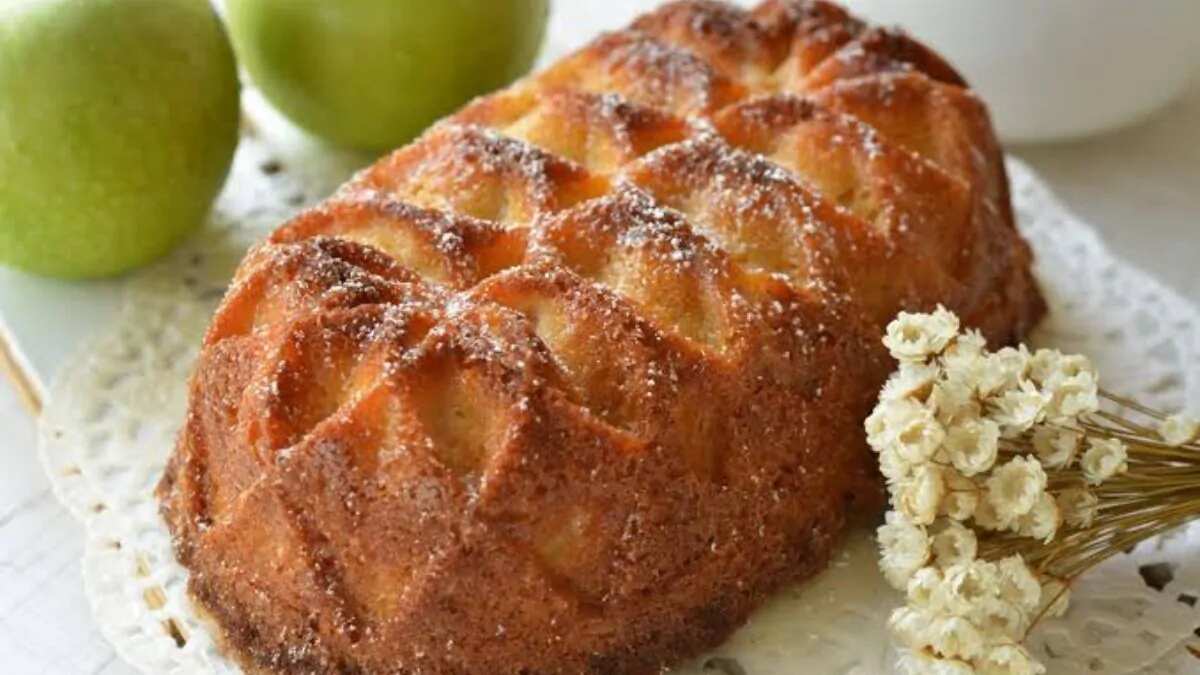
A thick slice of buttery pound cake paired perfectly with a hot cup of brewed tea brings deep comfort to any afternoon. While modern baking often focuses on elaborate layered creations with multiple frostings, the humble pound cake stands out for its elegant simplicity and rich flavour profile. The secret to recreating this bakery style perfection at home lies in controlling your baking environment completely. An Usha OTG takes the guesswork out of the process by providing steady and uniform heat circulation throughout the baking chamber. This gentle dry heat ensures your heavy batter bakes evenly all the way to the centre without scorching the delicate outer crust. Mastering this recipe gives you a versatile base that keeps beautifully for days and serves as the ultimate companion for your daily tea ritual.
Image credit: Pexels
Preparing Your Core Ingredients Properly
The foundation of a spectacular pound cake depends entirely on ingredient temperature and preparation. You must gather equal weights of unsalted butter, caster sugar, plain flour, and large eggs. Taking these ingredients out of your refrigerator well in advance is an absolute necessity because cold ingredients will never emulsify into a smooth batter. Softened butter traps air efficiently when beaten with sugar, while room temperature eggs blend seamlessly without causing the mixture to curdle or split. Measuring everything accurately with a digital scale guarantees the correct structural balance for your cake.
Image credit: Pexels
Creating A Stable And Airy Foundation
Building the batter correctly dictates the final texture of your sponge. Place your softened butter and caster sugar into a large glass mixing bowl. You need to beat these two ingredients together until the mixture transforms completely, turning very pale and beautifully fluffy. This crucial step forces air into the fat, providing the natural lift required for a dense cake to rise elegantly in the oven. Taking your time during this initial creaming stage makes a significant difference to the overall crumb structure of your finished bake.
Image credit: Pexels
Incorporating The Eggs And Flour Smoothly
Adding the wet and dry ingredients requires a gentle touch and reliable equipment. Add your room temperature eggs one at a time, ensuring each egg is fully absorbed before introducing the next. Using your Usha hand mixer on a low speed setting helps blend the eggs smoothly without overworking the batter. Once the wet ingredients are combined, sift your plain flour and a pinch of baking powder directly over the bowl. Fold the dry ingredients in using a soft spatula, stopping the moment no dry streaks remain so you do not develop tough gluten strands.
Image credit: Pexels
Baking And Cooling For The Perfect Crust
The final stage requires patience and a properly preheated baking environment. Transfer your smooth batter into a heavily greased and lined loaf tin, smoothing the top flat with the back of a metal spoon. Slide the tin onto the middle wire rack of your preheated oven and bake at 160 degrees Celsius for nearly an hour. The steady heat will encourage a gorgeous golden crust to form on top with a signature natural crack down the centre. Let the cake cool completely in its tin before turning it out, allowing the crumb to firm up perfectly for clean slicing.