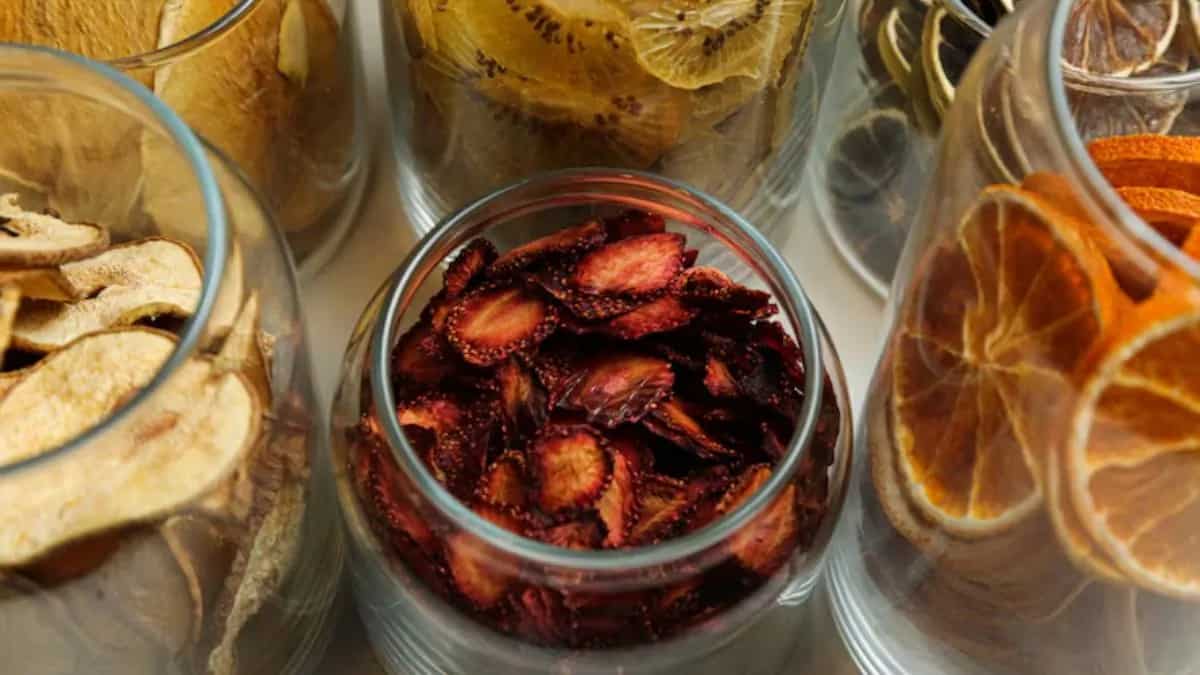
Long before refrigerators became familiar in Indian homes, preserving food for weeks or even for months has been an important part of everyday cooking. Seasonal produce was to be carefully managed, particularly in a country where the climate varies from humid coasts to deserts and the cold mountain regions. To avoid waste and make sure the food was available all year round, many households depended on traditional preservation methods that were discovered through observation, experience and knowledge.
These methods were not any random kitchen tricks but thoughtful practices shaped by environmental conditions, ingredients, and also the local food habits. From sun-drying vegetables in Rajasthan to fermenting rice in eastern India or curing fish along the coasts, every region has its own way of extending the shelf life of such ingredients that have to be consumed later and not immediately. Have you ever thought how that pickle on your dining table lasts for months without getting spoiled, or the papads or the candies like amla or mango? It all comes from these techniques.
Interestingly, modern food science also backs these preserving methods, explaining why these traditional methods worked so accurately, when there are plenty of preservatives available that can be used.
Traditional Ways Indian Households Extended Food Shelf Life
These food preservation methods not only prolonged the shelf life but also developed multiple traditional flavours that are still enjoyed. Many of these practices continue to influence Indian cooking even today.
Sun-Drying
Sun-drying is one of the oldest preservation techniques that has been part of the Indian culinary system.
Where it is commonly used in India:
Sun-drying is widely used in hot and dry regions such as Rajasthan, Gujarat, and parts of Maharashtra, where the strong sunlight is available, which helps in removing moisture thoroughly from the ingredient.
What foods are preserved with it:
Vegetables such as bitter gourd, cluster beans, and pumpkin slices are dried. Apart from this, staples like papad, vadis, dried chillies, and even fish in coastal regions are dried using this technique.
The science behind it:
Sun-drying removes the excess moisture from food. Since bacteria and fungi develop faster wherever there is moisture or a hint of water, this slows down the microbial activity and extends the shelf life of food remarkably.
(Image credit: Freepik)
Pickling In Oil And Salt
Pickling has been a major part of Indian food preservation for years, as pickles are often paired with almost every Indian meal, elevating the whole meal.
Where it is commonly used in India:
Pickling is commonly practised in many parts of India, particularly in Andhra Pradesh, Gujarat, Punjab, and Uttar Pradesh, where seasonal fruits and vegetables are pickled in large batches to use all year round.
What foods are preserved with it:
Everything from raw mangoes, lemons, gooseberries, green chillies, garlic, and some mixed vegetables like carrots, beans, etc., is often turned into pickles that can last for months or a year.
The science behind it:
Scientifically, salt pulls the moisture out of the food via a process known as osmosis, which hinders the growth of any harmful microorganisms. Putting a layer of oil on top creates a protective barrier that stops air from getting inside the pickle jar, decreasing the chances of oxidation and spoilage. Spices like turmeric and mustard seeds also have antimicrobial compounds. When blended, these elements make an environment where bacteria cannot survive, resulting in keeping the pickles safe and full of flavour throughout.
Fermentation
Fermentation is another essential and common preservation method that is widely used across India. This method not only prolongs the shelf life of the food but also changes the flavour and the texture of the food.
Where it is commonly used in India:
Fermentation is very common in South India, eastern India, and in some parts of the Northeast, where fermented grains and vegetables are part of everyday meals.
What foods are preserved with it:
Foods like dosa batter, idli batter, fermented rice dishes, and vegetable preparations such as kanji depend on fermentation to make flavour and improve the shelf life.
The science behind it:
Scientifically, the fermentation produces lactic acid, which lowers the pH of the food and prevents the harmful microbes from reproducing. This acidic environment acts as a natural preservative. Fermented foods are also easy to digest because the complex carbohydrates and proteins start to break down during the process.
(Image credit: Freepik)
Sugar Preservation
Now you know how your candies and murrabba last for up to months without spoiling.
Where it is commonly used in India:
Sugar preservation is common in northern and western parts of India, where seasonal fruits are often transformed into sweet preserves for long-term storage.
What foods are preserved with it:
Fruits such as amla, mango, apple, and bel are commonly preserved as murabba, candied fruit, or thick sweet preserves.
The science behind it:
The availability of high sugar concentration acts as a preservative here because it binds the water molecules, leaving little free moisture for microbes to develop. This practice is similar to how jams and jellies are preserved. Apart from just increasing the shelf life, this method also improves flavour, changing seasonal fruits into sweets that can be enjoyed for a longer time.
Smoking
In coastal and mountainous regions, smoking is a common technique that is used to preserve fish and meat for long periods.
Where it is commonly used in India:
Smoking is traditionally used in the Northeastern states such as Nagaland, Meghalaya, and Arunachal Pradesh, as well as in the Himalayan regions, where humid weather makes drying alone problematic, as the sunlight is low here.
What foods are preserved with it:
Meat, pork, fish, and occasionally chillies are hung above kitchen fires, and they are slowly smoked for many days. The constant exposure to smoke allows the food to stay good to consume for long periods.
The science behind it:
Smoking works through a mixture of dehydration, along with antimicrobial compounds that are present in smoke. The heat also reduces the moisture. This creates conditions where the chances of microbial growth become less.
Salting And Curing
This method is especially used in regions where fish preservation is carried out.
Where it is commonly used in India:
Salting and curing are commonly used in coastal regions like Kerala, Goa, and Tamil Nadu, where fish preservation is essential for the fishing communities.
What foods are preserved with it:
Fish, prawns, and sometimes meat are covered heavily in a layer of salt and then dried under the sun. Salted fish remains a staple ingredient in many coastal dishes and also in the region.
The science behind it:
Salt draws moisture from the flesh, reducing the chances of inhibiting bacterial growth. This combination delays the spoilage and gives the food a unique flavour, which is the speciality of coastal food. These conserved foods were especially important in areas where fresh meat or fish could not be used immediately due to limited storage options.