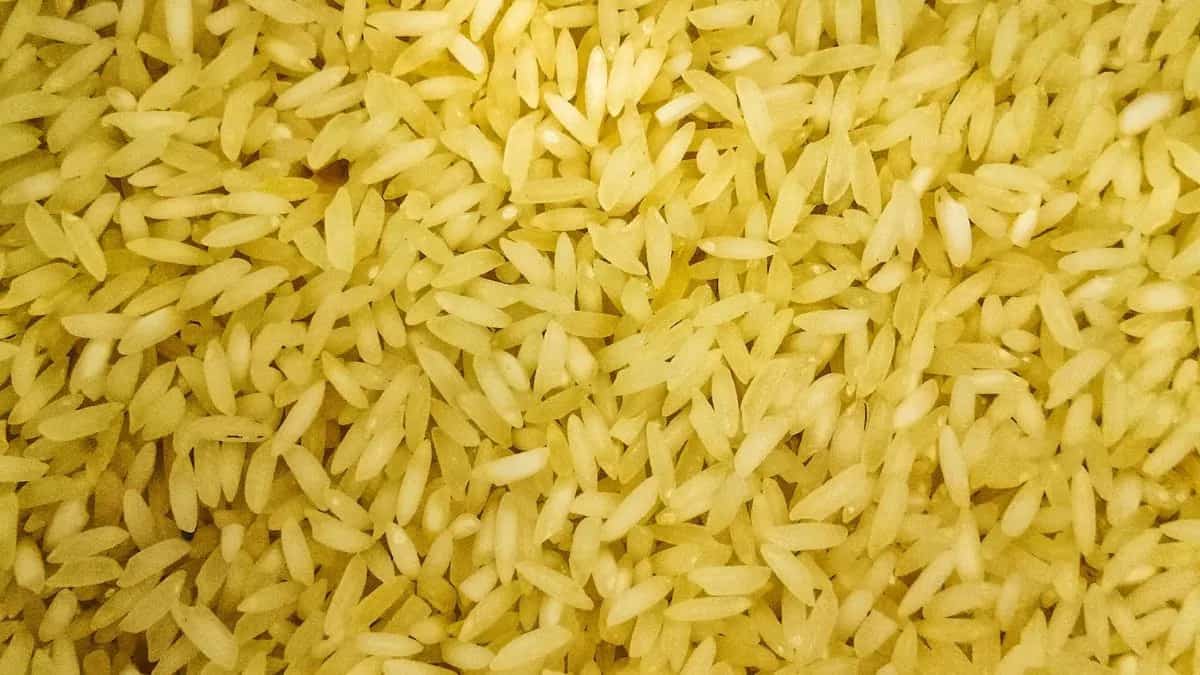
Gobindobhog may be the pride of Bengali cuisine, but the region's rice repertoire is far more extensive since the state boasts more than 5,000 recognised rice grain varieties. Bengal's rice varieties, from the aromatic Tulaipanji of Uttar Dinajpur to the nutty Binni of Purulia, are losing their popularity even though the palates of the state are getting more and more hyperlocal and sustainable. These underappreciated rice varieties are trying to find new life on fine-dining menus and modern Bengali kitchens alike.
Image Credit: Flickr
Let’s keep Tulaipanji in focus for this particular discussion on the emotional connection Bengal and rice have. This traditional aromatic rice from the state of West Bengal is gaining attention again among food aficionados, chefs, and health-conscious customers. Tulaipanji, with its distinct scent, texture, and excellent nutritional profile, is more than just rice; it is a part of Bengal’s heritage cuisine. This thin-grained, non-sticky rice is known for its delicate scent, which is sometimes compared to jasmine, and its soft, fluffy texture. It is mostly produced in the Uttar Dinajpur district and obtained the GI tag in 2017.
Tulaipanji, which was traditionally served at festivals or weddings, is now being used by chefs to make aromatic pulao, buttered rice bowls, and to match with curries like chingri malai or kosha mangsho to highlight the scent. The history, health benefits, nutritional features, sensory attributes, culinary applications, and both conventional and contemporary cooking techniques of Tulaipanji rice let you explore and enjoy real Eastern Indian flavours.
The Rise & Fall Of Tulaipanji Rice In Bengal’s Food History
Tulaipanji rice is an indigenous rice type native to India's North Bengal area, namely from the districts of Raiganj, Islampur, and Chopra in South Dinajpur and Uttar Dinajpur. Rice has been grown in many regions for generations, and it is strongly ingrained in the local agricultural practices and cuisines of India. The name “Tulaipanji” is thought to be derived from the Bengali words "tulai", meaning a fragrance or sweetness, and "panji", which means rice variety.
Image Credit: Flickr
As a result, it roughly represents a rice variety recognised for its aromatic properties. Historically, Tulaipanji was farmed on tiny family farms using traditional organic methods. It was part of crop rotations that included pulses and oilseeds, which helped to sustain the agricultural system while also enriching the soil.
Tulaipanji rice is grown mostly in the alluvial plains of North Bengal, where soil quality, rainfall patterns, and temperature form an ideal microclimate for this aromatic rice. The region's climate, which is characterised by moderate rainfall, chilly winters, and rich black soil, has a considerable impact on the grain's flavour and quality.
Because it is a short-grain rice that is sensitive to climate change, it flourishes in its natural ecological niche. Attempts to grow it outside of this region weaken its quality or scent, which is why it is protected by a geographical indication (GI) designation, indicating that the rice is unique to that locality.
Meals, religious offerings, and special events. Many families have passed down original seeds through centuries, assuring the continuation of true Tulaipanji cultivation. Local folklore and community festivals often celebrate this rice, and it holds pride of place in weddings, harvest festivals, and harvest thanksgiving rituals.
Another theory, or rather local folklore, states that in undivided Dinajpur, many people believe that the name Tulai rice refers to the large-scale cultivation of Tulai paja paddy on the high broken lands on both banks of the Tulai river. The river's water has now dried up, and it is no longer navigable. The word Tulasali has been corrupted into its current appellation as the language's phonetics have evolved as well. And the term paja signifies seed, which is now a perversion of panja or panaj.
Cultivation Of Tulaipanji Rice In Bengal
Tulaipanji is grown in the Southwest monsoon after the pre-kharif jute harvest because it is photosensitive. The best period to seed is between the end of Ashar and the second week of Shravana on the Bengali calendar. It is normal practice to dry rice that will be utilised as seed in the next season and store it in straw bags on bamboo ledges above ground. Farmers believe that the appropriate quantity of moisture, soil health, and fertility define the quality of Tulaipanji.
Image Credit: Freepik
Only centuries-old processes of tilling, preparing the ground, seed spreading, transplanting to the main field, irrigation, organic fertiliser application, threshing, and storage are used. This has helped to keep the grain consistent in terms of yield per hectare and overall production. Tulai grains are whitish-yellow in colour and short and slender in appearance, as is typical of rice varieties grown in specific areas of West Bengal. Cooked rice has a non-sticky texture, a brilliant look, and tastes wonderful. As this rice is grown using native methods, it has a high hulling percentage, milling percentage, protein content, good head rice recovery, high disease-pest resistance, intermediate alkali value and gelatinisation temperature that makes it extremely desirable.
3 Dishes To Pair Tulaipanji Rice For The Ultimate Taste
Chingri Patutri
Paturi is a popular dish from Bengali cuisine where banana leaves are used to cook delicate fish and seafood in a blend of select spices. Chingri paturi is a variation of the dish that uses prawns, mustard seeds, poppy seeds, green chillies and other ingredients. Wrapped in banana leaves and steamed to perfection, chingri paturi can turn the simplest Tulaipanji plates into a real feast.
Mutton Kosha
A traditional Bengali mutton curry, or mutton kosha, is spicy and rich with juicy mutton pieces and is popular as a Sunday lunch dish in many homes. Kosha implies slowly cooking a gravy for a long time until it turns brown and makes the mutton tender. You can have it with pulao or steamed Tulaipanji rice.
Chitol Muitha
This Bengali dish features fish balls made with a combination of chitol fish, mashed potatoes, and aromatic spices that are then simmered in a rich curry made with coconut milk, tomatoes, and a variety of spices. The dish is often garnished with fried onions and fresh cilantro, adding a delightful crunch and zesty kick to each bite. Chitol muitha is a must-try for anyone looking to explore Bengali cuisine.