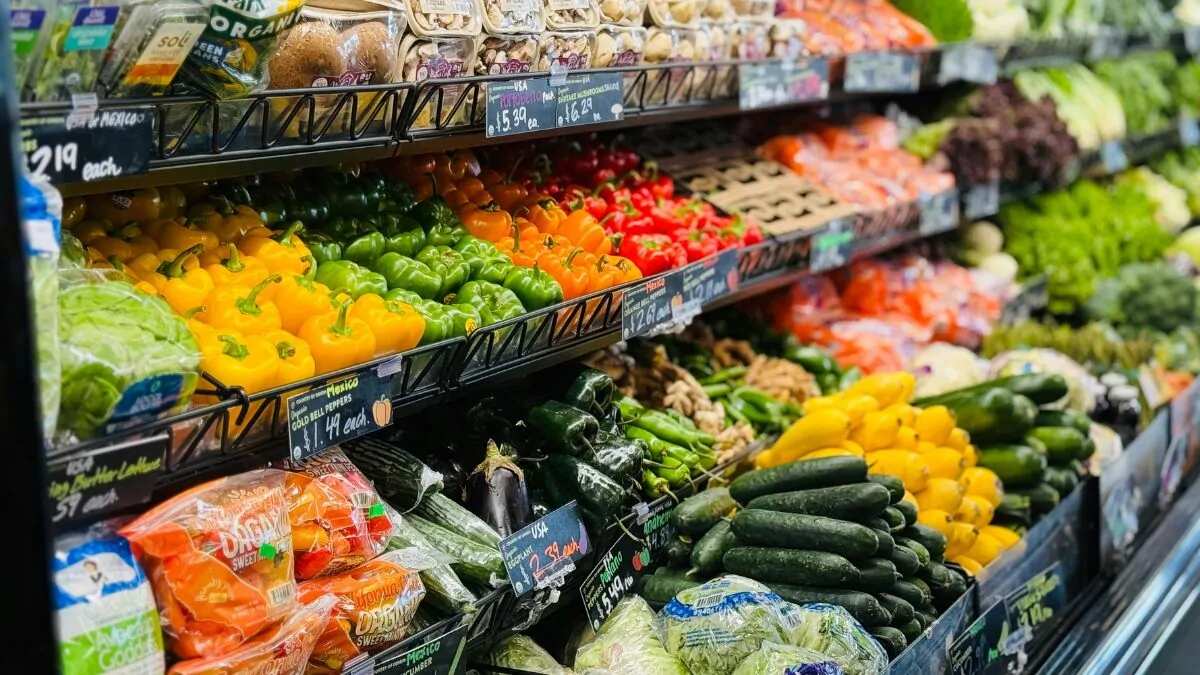
With the increasing cost of fresh produce, foodgrains and dairy, upkeeping a healthy lifestyle that includes a balanced diet can be quite the challenge - irrespective of whether one must do it for themselves or for a family unit. That said, grocery shopping budgets do not always mean that the higher the cost, the better the quality. At times, there is wisdom in making sense of strategising and making smart choices which are holistic, touch upon varied food groups and provide the necessary nutrition one needs to sustain in the long run. Based off of this, a method known as 6-to-1, devised by celebrity chef, Will Coleman, takes into account dietary flexibility to make the process of meal-prepping and cooking seem approachable and uncomplicated.
Image Credits: Unsplash
The 6-to-1 Grocery Shopping Method Explained
A concept designed to aid shoppers purchase cost-effective ingredients that can be used across a variety of meals, the 6-to-1 typically involves buying six types of vegetables, five types of fruit, four types of protein, three kinds of starches, two types of condiments or sauces and one ‘fun’ item - or treat. These ingredients are intended to help the shopper course through a week’s worth of meals while minimising waste and avoid feeling indecisive or spoilt for choice.
The method also takes utmost care to ensure that the grocery shopper reduces the tendency to opt for processed foods and transforms into a time-conscious consumer - while spending only as much time as needed at a grocery store. This intentional shopping also limits the urge to make impulsive purchases, thus reducing chances of over-spending or excessive buying considerably. Ideal for those new to shopping for groceries, the 6-to-1 method is also quite useful for anyone who prefers to follow a structure while shopping for food. What’s key to the technique being most effective is understanding one’s budget and accommodating ingredients that fit the bracket, to avoid burning a hole in one’s pockets.
Image Credits: Unsplash
Also Read:
Between price fluctuations of fresh produce and changing availability of ingredients, Coleman’s strategy also enables distinguishing between a ‘need’ versus ‘want’ - especially if the buyer takes a few minutes to jot down a list of essentials that are non-negotiable. Nuances like price comparison also aid in understanding when certain ingredients are cheaper during what time of the year, especially when it regards seasonal vegetables and fruit - thus contributing to palate diversity invariably. Moreover, the 6-to-1 method can be tweaked in a way where it accommodates diet restrictions; for example: those following a vegan diet may not necessarily need to buy four different types of protein and could limit the purchase to just two varieties.
Similarly, for someone who follows a keto diet, three different types of starches would become a redundant requirement; instead, they could easily replace it with healthy fats such as peanut butter or ghee, or even a wheel of artisanal cheese that might cost as much as a collective of three carbohydrates. Meal planning ahead of a grocery run is also a great way to ensure that what’s needed is prioritised over wandering aimlessly, trying to figure out what would possibly make for a delicious meal during the week. Additionally, repurposing what’s leftover from the week prior could also give the shopper a sense of how much of each category might be required, over and above of what they already have in the fridge or pantry - thus, only building upon the deficit instead of making bulk purchases.
Image Credits: Unsplash
For an Indian kitchen, here’s how one can replicate the method and follow:
Vegetables - Carrots, Onions, Okra, Pumpkin, Coriander, Tomatoes
Fruits - Bananas, Seasonal Fruit (cherries, plums), Watermelon, Apples, Avocado
Protein - Eggs, Chicken, Paneer, Tofu
Starches - Rice, Wheat Flour, Potatoes/Pasta
Condiments/Sauces - Pickle, Pasta Sauce
Fun Item - Banana chips/Ice cream/Bar of chocolate/Instant noodles