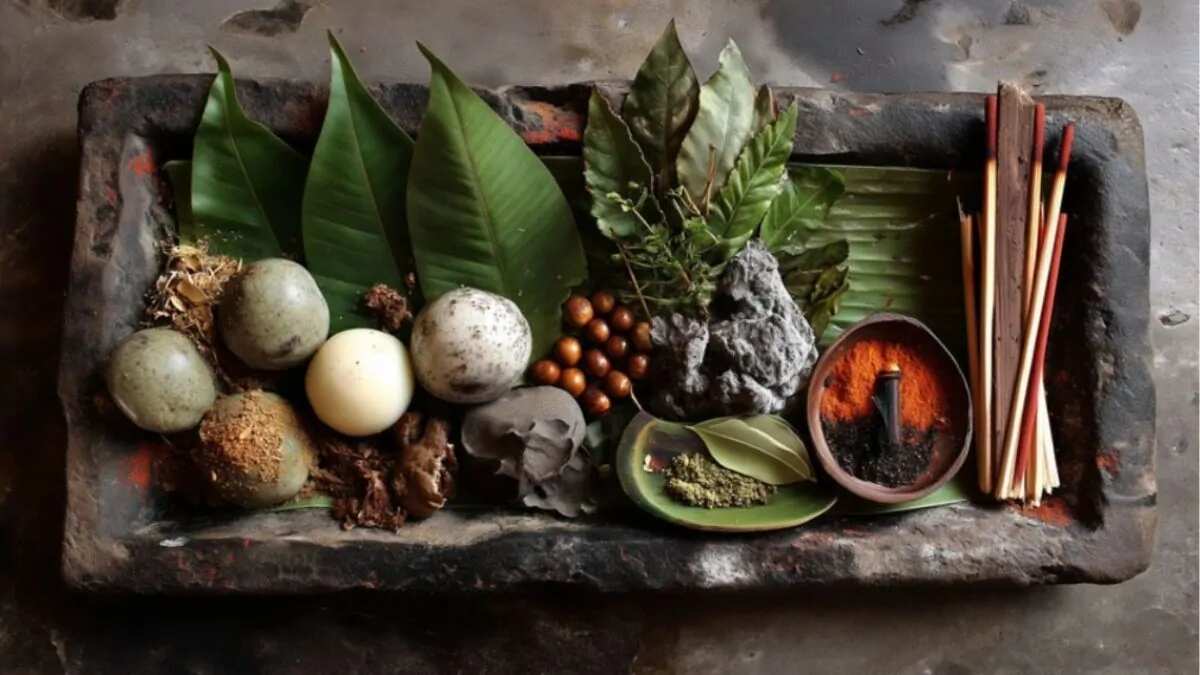
The modern image of Halloween: costumed figures, glowing pumpkins, and haunted tales, traces its ancestry to Samhain, an ancient Celtic harvest festival that marked the boundary between autumn and winter. During that time, people believed the barrier between the living and the dead weakened, allowing spirits to walk among humans. Lamps were lit to guide friendly souls and to repel darker forces. In India, the transition between harvests and seasons has long been seen as a moment of spiritual vulnerability and reflection. The rituals that accompany these transitions vary across regions, but the ideas remain constant; offering food to the departed, lighting lamps to guide them, and ensuring balance between the seen and unseen. Indian folklore holds countless stories of spirits who return seeking fulfillment, blessings, or revenge. In each case, food, ritual, and remembrance form the link between the two worlds.
1. Bhoot Chaturdashi And The Night Of Fourteen Lamps In Bengal
In Bengal, the night before Kali Puja is known as Bhoot Chaturdashi, translating to “the fourteenth day of ghosts.” According to belief, this is the night when ancestral spirits descend to visit their families. Fourteen oil lamps are placed in corners of the home and courtyard to guide these spirits and to keep harmful ones away. The ritual echoes the lantern-lit vigils of early Halloween traditions, where fire and light acted as protection from wandering souls.
Image credit: Wikimedia Commons
The evening meal often includes dishes made with garlic and mustard oil; ingredients believed to repel negative energies. Families eat rice, lentils, and leafy greens such as Choddo Shaak, keeping the food pure and modest. Children are told not to wander outside after dark, for the veil between worlds is believed to be thin.
2. Pitru Paksha Across North India: Feeding The Departed
Across much of North India, Pitru Paksha represents a sacred fortnight dedicated to honouring ancestors. It is observed during the waning moon of the lunar month of Bhadrapada. Families perform tarpan, offering water and prayers, followed by pind daan, where rice balls mixed with sesame seeds and ghee are presented to the departed. A small portion is left outside before the family eats, so that spirits who still wander may partake unseen.
Image credit: Wikimedia Commons
In earlier times, villagers placed bowls of sweetened milk near wells or under sacred trees, believing that neglected souls might otherwise bring drought or misfortune. These rituals share the same purpose as Halloween’s ancient customs: to calm the restless dead and ensure that the living remain unharmed.
3. The Spirit Feasts Of The North-East: Tokhu Emong
Among the Naga tribes of the North-East, the post-harvest festival Tokhu Emong bridges gratitude and remembrance. Though it is celebrated as a time of peace and generosity, it carries a subtle belief that spirits observe human actions during this period. Families prepare feasts of smoked pork, fermented bamboo shoots, and rice beer, offering portions to ancestors before the rest is shared communally.
Image credit: Wikimedia Commons
In parts of Meghalaya, families keep a portion of cooked rice near the hearth overnight, believing ancestral spirits visit in silence to bless their descendants. If food remains untouched by morning, it is seen as a sign that the spirits are content. These rituals, while not overtly frightening, maintain a sense of reverence for forces that move unseen. The atmosphere of these autumnal ceremonies; with food, fire, and collective memory; recalls the original meaning of Halloween as a threshold between seasons and worlds.
4. Gujarat’s Aso Maas: Shraadh And The Crows’ Meal
In Gujarat, the Aso Maas month carries deep spiritual significance, ending with Aso Vad Amavasya, the new moon night dedicated to departed ancestors. Families perform Shraadh rituals and prepare Pitrubhoj, a meal made with rice, moong dal, ghee, and seasonal vegetables. These offerings are placed on banana leaves for ancestors before being distributed to Brahmins or the poor. The act ensures peace for the souls of the departed and good fortune for the living.
Image credit: Wikimedia Commons
A key part of the ceremony involves placing food outside for crows, who are believed to act as messengers between the living and the departed. When a crow accepts the food, it is taken as a sign that the ancestors have received their offerings. The practice reflects an ancient belief that spirits seek light and sustenance; the same ideas that once shaped Halloween’s candle-lit vigils and autumn feasts.
5. Kali Chaudas In Western India: A Night Against Darkness
In Gujarat and parts of Maharashtra and Rajasthan, Kali Chaudas, also known as Narak Chaturdashi, falls on the 14th day of the waning moon before Diwali. It is said to be a night when dark forces and malevolent spirits are most active, and protective rituals are performed to cleanse both home and self. Before dawn, families apply oil to their skin and bathe to rid themselves of negative energy. Lamps are lit at entrances, and offerings of poha, til laddus, and jaggery sweets are made to symbolically repel evil. In some rural communities, food is also placed near trees or crossroads, acknowledging the unseen presences that walk that night. The day carries both fear and reverence; an understanding that darkness, though inevitable, can be held at bay through ritual, fire, and food.
Image credit: Wikimedia Commons
Kali Chaudas stands as one of India’s closest parallels to Halloween. It marks a liminal night where the veil is thin, yet the human instinct to protect and purify is strong as ever.