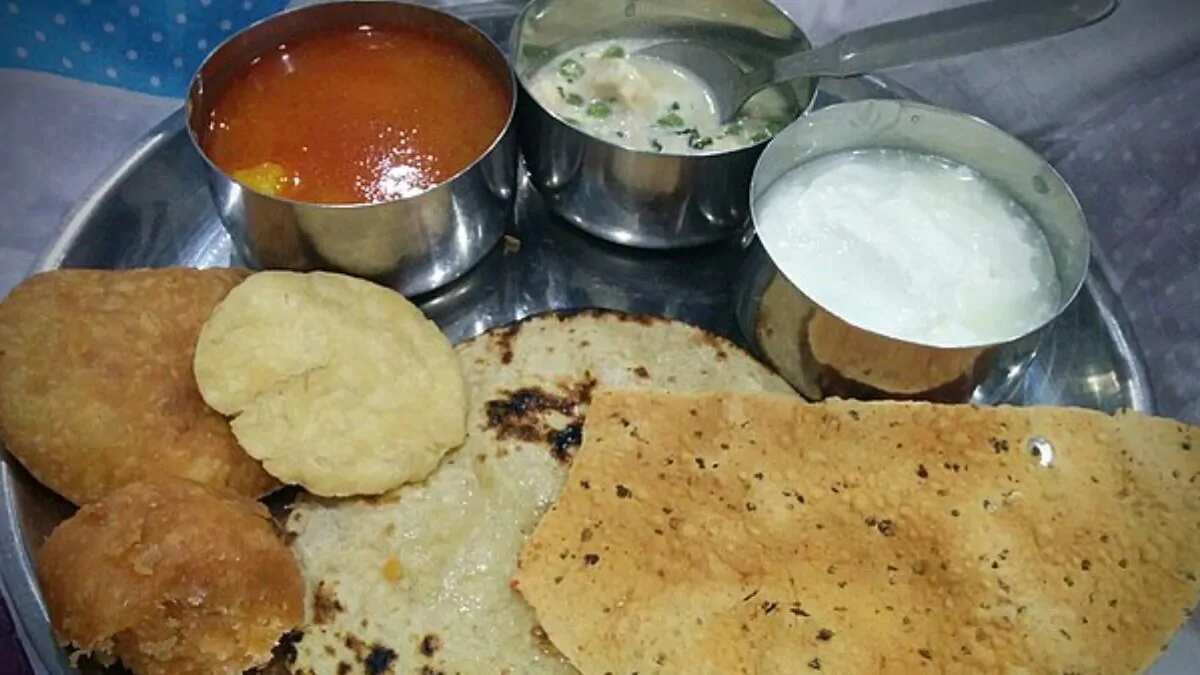
Every Indian celebration revolves around food. Every event is distinguished by the food people share on plates, from modaks during Ganesh Chaturthi, biryani and sewaiyaan on Eid, gujiya and thandai on Holi, to the sweets of Diwali. Food unites people across borders and faiths, bringing everyone together. Gurpurab, also known as Guru Nanak Jayanti, which will be celebrated on November 5 this year, honours the equality, compassion, and service that Guru Nanak Dev Ji taught. The smell of langar, a communal feast, permeates the air on this day. Simple meals like karah prasad, dal, sabzi, and roti represent harmony and the joy of sharing. The sacred book, the Guru Granth Sahib, is read aloud during early morning prayers in gurdwaras, or Sikh temples, as part of the reverent celebration of Gurpurab. The life and teachings of Guru Nanak are recounted via the singing of devotional hymns and kirtan, or spiritual songs. The day is commemorated by processions, also known as Nagar Kirtans, in which followers march through the streets while singing hymns.
Kada Prashad
Every Gurpurab celebration must have Kada prashad. Traditionally cooked as a sacred dish in gurdwaras, this offering is made with just four ingredients—wheat flour, ghee, sugar, and water. While making kada prashad, the cooks need to make sure they do not burn the mixture, only lightly roast it. The preparation demands skill and, most importantly, patience. Everyone receives a kada prashad as a token of devotion and humility. It is a beloved treat because of its soft, melt-in-your-mouth texture and rich, buttery flavour.
Image Credit: Wikimedia Commons
Langar Wali Dal
Made with lentils, spices, and a hint of ghee for richness, the dal served at the langar is a straightforward but tasty dish. Split black chickpeas (chana dal) and entire black gram (urad dal) are used in its preparation. This dal, which is well-known for its nourishing properties and cosy flavour, frequently contains flavour-enhancing additives including ginger, garlic, and green chillies.
Image Credit: Freepik
Sarso Ka Saag And Makki Roti
Sarson ka saag and makki ki roti are the epitome of Punjabi winter festivities. The saag, which is made from mustard greens and other leafy vegetables, is slow-cooked with garlic, ginger, and spices until it becomes creamy. This recipe is a winter favourite and a must-have for Gurpurab celebrations, especially in colder climates. It is served with makki ki roti, a flatbread prepared with cornmeal, and topped with a dollop of handmade butter.
Image Credit: Wikimedia Commons
Aloo Gobi
A well-known North Indian dish called aloo gobi is cooked with potatoes and cauliflower and seasoned with coriander, cumin, and turmeric. This vegetarian dish is perfect for offering at Gurpurab celebrations because it is simple to make in large amounts. It is loved for its soothing and subtle spice tastes. It goes well with rice or roti.
Image Credit: Wikimedia Commons
Chole Bhature
Chole bhature is a classic Punjabi dish that consists of spicy chickpeas (chole) cooked in a tangy tomato and onion gravy, served alongside soft, fluffy fried bread (bhature). It’s a flavourful, filling dish that’s sure to satisfy everyone, making it perfect for celebratory gatherings. The bhautres are round and almost as big as your head! The crispiness of bhahture along with the chole is a match made in heaven.
Image Credit: Wikimedia Commons
Chana Dal Khichdi
Rice and split chickpeas (chana dal) are combined in a spicy preparation to create the filling and healthful dish chana dal khichdi. This khichdi, which is cooked with cumin seeds, ginger, turmeric, and a small amount of ghee, is frequently eaten with pickles or yoghurt. It is a well-balanced and cosy dish that is particularly popular in the winter.
Image Credit: Wikimedia Commons
Meethe Chawal
Sweet saffron rice, or meethe chawal, is a Punjabi dish that is frequently made at all the celebrations and festivals. It is made with basmati rice, sugar or jaggery, and saffron. For added flavour and richness, raisins and nuts are added on top. This dish, which is fragrant and simple, gives the Gurpurab celebration a hint of sweetness and cosiness, perfect for the oncoming winter months as well.
Image Credit: Wikimedia Commons
Kheer
As usual, no celebration is complete without dessert. Kheer has to be on the menu. Kheer is a North-Indian rice-based pudding made by simmering rice with milk, sugar, and a blend of aromatic spices like cardamom, saffron, and sometimes rose water. It is garnished with chopped nuts such as almonds, cashews, and raisins for added texture and flavour. Kheer is a versatile dessert enjoyed across India and made for traditional festivities, including Gurupurab.
Image Credit: Wikimedia Commons