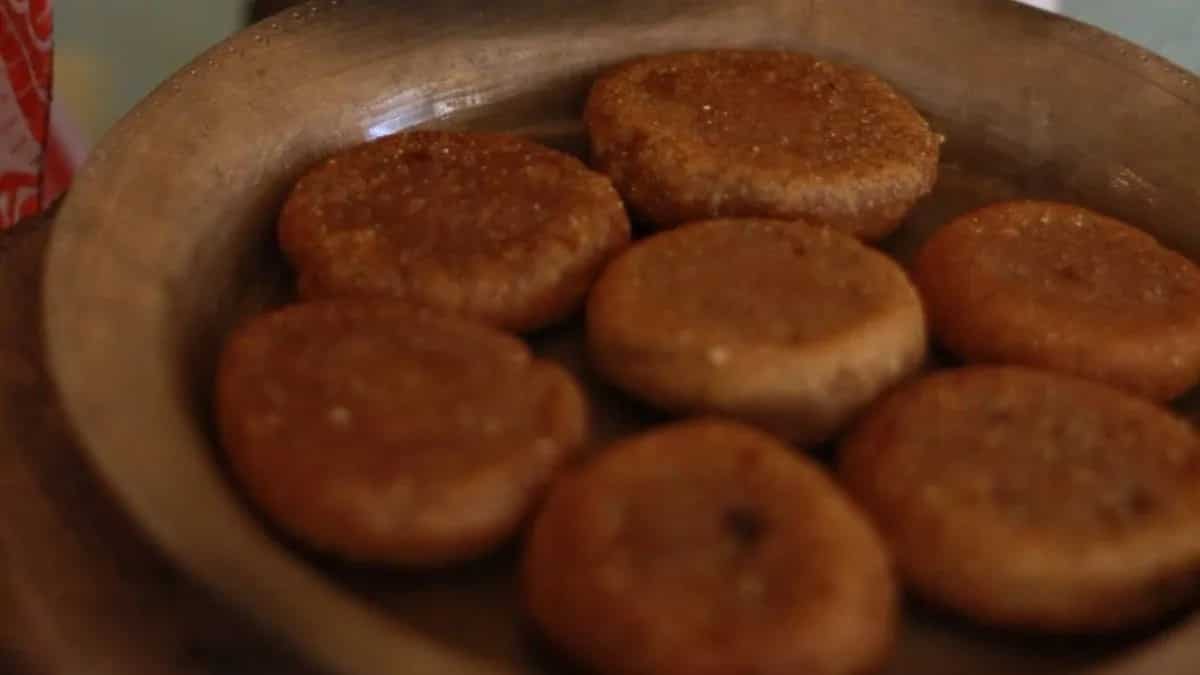
Rongali Bihu is all about embracing renewal, and that extends to the festive kitchen. While the jolpan table is traditionally laden with deep-fried delicacies, shifting to modern techniques allows you to enjoy these ancestral flavours more frequently. An Usha air fryer provides the ideal environment to replicate the crisp exterior of a Ghila Pitha while maintaining its signature soft, molten centre. By utilising rapid air technology, you can achieve the perfect spring in the sticky rice dough with just a fraction of the oil used in conventional recipes, making your Bihu celebrations both vibrant and revitalising.
Selecting The Perfect Sticky Rice Base
The foundation of any authentic Ghila Pitha is Bora Saul, the indigenous sticky rice of Assam. For a successful air-fried version, the rice must be soaked for at least four hours, drained completely, and ground into a slightly coarse powder. This texture is critical; if the flour is too fine, the pitha may become dense, but a coarser grind allows the air to circulate through the dough, creating a lighter bite. Mixing this with high-quality organic jaggery not only provides the necessary sweetness but also adds a deep, mineral-rich complexity that balances the starchiness of the rice.
Image credit: Wikimedia Commons
Infusing Heritage Aromatics
Traditional Ghila Pitha often features subtle flavour notes that elevate it from a simple rice cake to a festive highlight. Incorporating finely grated orange zest or a hint of crushed black sesame seeds into the dough provides an aromatic punch that thrives under the dry heat of an air fryer. Unlike deep-frying, where oil can sometimes mask delicate scents, the air fryer tends to intensify these aromatics. The citrus notes, in particular, cut through the richness of the sticky rice, offering a bright, refreshing profile that perfectly matches the spring spirit of Rongali Bihu.
Image credit: Wikimedia Commons
Mastering The Air Fried Texture
To achieve the classic Ghila Pitha shape, slightly flattened discs, ensure your dough is pliable but not sticky. Lightly brush each disc with a tiny amount of cold-pressed mustard oil or ghee before placing them in the basket; this facilitates the Maillard reaction, giving the pithas their characteristic mahogany hue. Set your temperature to 180°C and cook for about 8 to 10 minutes. The rapid air movement mimics the searing action of a hot karahi, resulting in a crisp shell that protects the soft, chewy interior, effectively capturing the textural contrast that defines this snack.
Image credit: Wikimedia Commons
Functional Nutrition And Macro-Balancing
By opting for the air fryer, you significantly alter the nutritional profile of the pitha, shifting it from a calorie-dense fried food to a balanced functional snack. Sticky rice is an excellent source of quick energy, while jaggery provides essential iron and magnesium. Reducing the oil content makes the pitha easier on the digestive system, allowing you to enjoy the festive Sadya without the post-meal lethargy. This modern spin ensures that the tradition remains inclusive for those focusing on heart health or weight management during the holiday season.
Image credit: Wikimedia Commons
Festive Plating And Modern Pairings
Ghila Pitha is traditionally served as part of a jolpan platter alongside curd and sira, but its air-fried version opens up new pairing possibilities. Serve these warm pithas with a side of fresh seasonal cream or a drizzle of liquid Nolen Gur for an extra layer of decadence. Because they are less greasy, they also pair exceptionally well with a sharp, black Assamese tea, which cleanses the palate between bites. Presenting them on traditional bell-metal plates (kanhi) maintains the cultural aesthetic, proving that while the cooking method has evolved, the heart of the Bihu celebration remains unchanged.