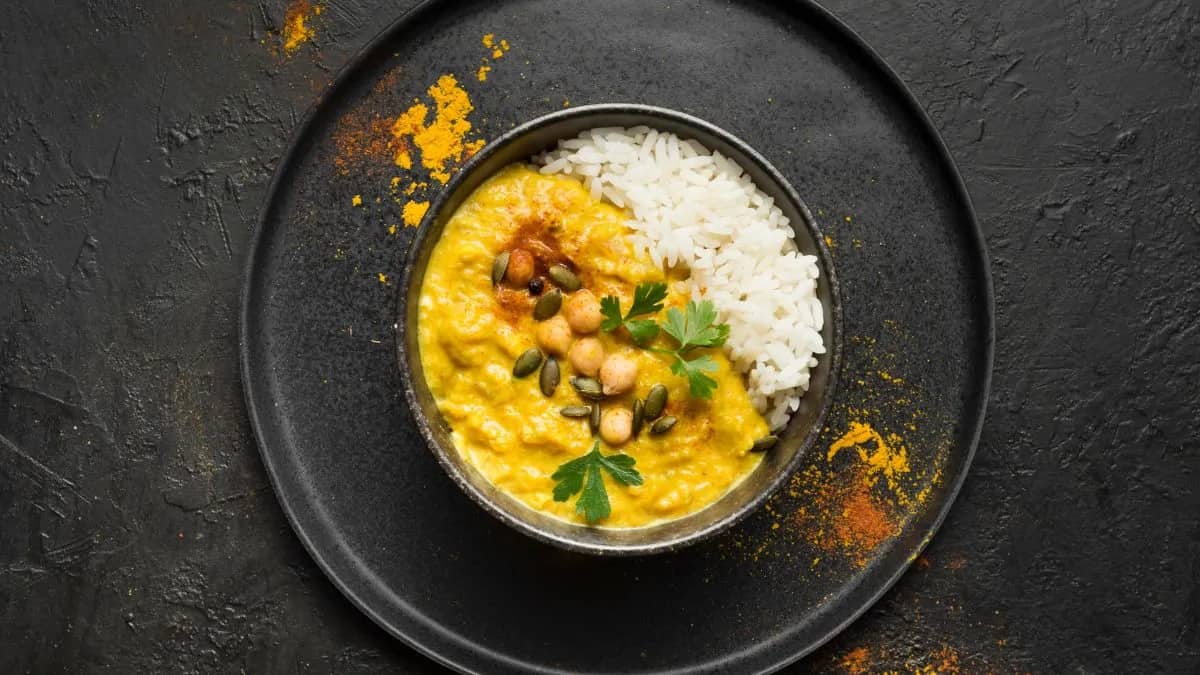
The most well-known meals in Bengali cuisine are kosha mangsho, ilish paturi, Calcutta biryani, and macher jhol. In terms of vegetarian treats, this region offers meals such as aloo posto, sukhto, and begun bhaja. These vegetarian recipes are all easy, wholesome, and tasty. But while these steal the spotlight, recipes like Garur Dal, often get left behind.
Garur Dal is a nutrient-dense traditional dish from East Bengal, also cherished in West Bengal. Its ingredients are seasonal and available only for a brief period each year, making it a rare culinary treasure. The name translates to ‘Garuda’s lentils’, and the dish holds deep cultural significance.
Image Credit: Freepik
It is prepared once a year on the last day of the Bengali month of Ashwin and eaten on the first day of Kartik. This ritual marks the transition from autumn (Sharat) to early winter (Hemanta) and celebrates the abundance of Mother Nature. According to folklore, making a wish before eating Garur Dal ensures it will come true. Traditionally, it is sometimes left overnight to absorb the blessings of the early winter dew. The custom is beautifully captured in the popular Bengali proverb, “Ashwin e radhe, Kartick e khay” meaning ‘Cook in Ashwin, eat in Kartik’.
During the month of Kartik, people hope that their children will be healthy and that they will remain healthy throughout the year. Kartik also raises the prevalence of a number of illnesses. For this reason, making and consuming this dal is a symbol of maintaining good health. Avoid adding turmeric, ghee, or oil to the dal.
Image Credit: Wikimedia Commons
A variety of vegetables from the arriving and departing seasons are used in the preparation of Garur Dal, some of which are unavailable during other seasons like the monsoons and summers. On a banana leaf, this dal is combined with coconut husk and jaggery and presented to the household deity. The panta bhaat and dal are then eaten together. Panta bhaat is a delicacy from Assam and Bengal where leftover rice is soaked in water overnight. Then, the next day, this fermented rice is either eaten for breakfast or lunch with raw onions, green chillis, a dash of mustard oil or with alu chokha, begun bhaja, pickles, maach bhaja and more.
Although the recipe may differ from person to person, the proper way to make this dish is with 3 pulses and 8 veggies. It is typically served with different bhajas and alu sheddho. The most popular vegetables used are water lily stem, long beans, sweet potatoes, taro root, cauliflower, radish, brinjal, pumpkin, and pointed gourd. Split yellow peas, Bengal gramme, moong dal, urad dal, toor dal, and horse gramme dal are among the lentils that can be used to make this dal.
Even though Bengalis are known for their love of fish, few Indian cuisines offer as many different types of vegetable dishes. Bengali vegetable dishes have different kinds of leafy, non-leafy, green, non-green vegetables. The recipes have been given elaborate titles like ‘chocchori,’ ‘ghonto’ and ‘labra.’ Garur dal also falls under one of the few Bengali vegetarian dishes that gains a lot of popularity when the seasons are transitioning from autumn to winter. Just like other veg dishes, Garur dal can be paired with steamed rice, jeera rice,roti, naan and so on. It also tastes really good with a salad or raita.
Image Credit: Wikimedia Commons
Every single meal is different in a certain way. The extent to which Bengali widows have contributed to these vegetarian recipes as a result of their dietary practices is a topic for another story. In the meantime, prepare this delectable garur dal and nourish your spirit!