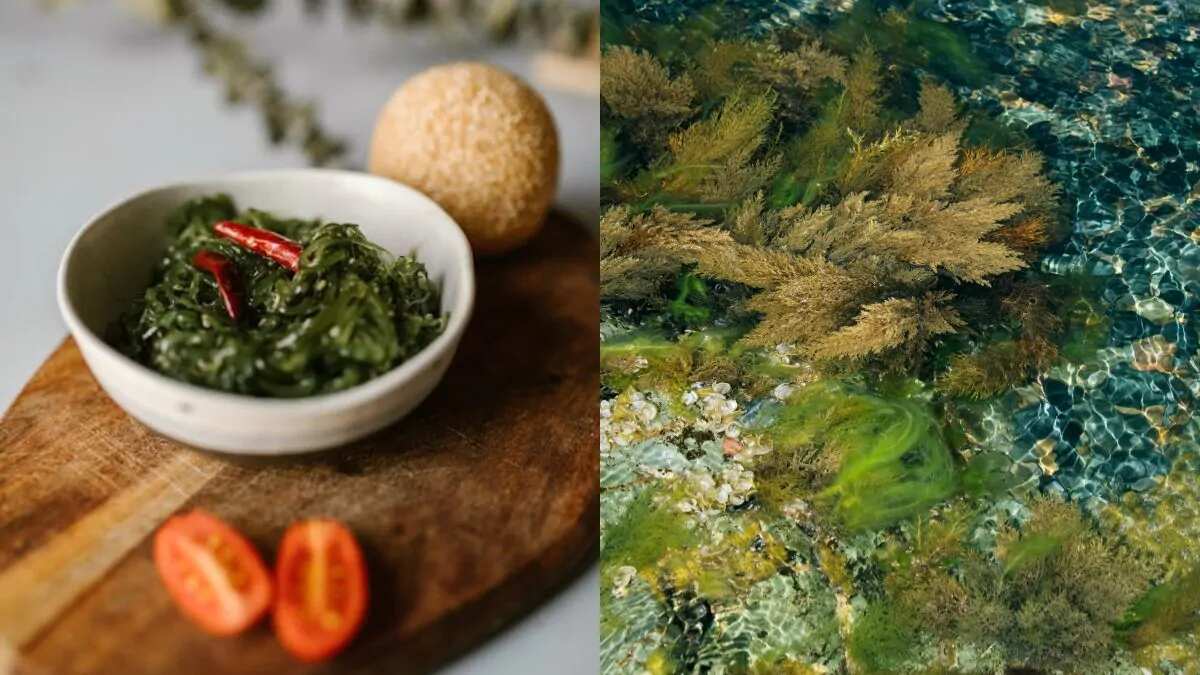
When we think of marine vegetation, we often picture East Asian culinary traditions featuring delicate sushi rolls and warm bowls of miso soup. However, the Indian subcontinent boasts a massive coastline of over seven thousand kilometres teeming with these nutrient dense marine plants. From the rocky shores of Gujarat to the pristine waters of the Gulf of Mannar, India is home to hundreds of species of marine macroalgae. While not traditionally a widespread staple in mainstream Indian cooking, coastal communities have long utilised these underwater treasures for sustenance and local remedies. Today, health enthusiasts, nutritionists and innovative chefs are rediscovering these aquatic vegetables. They are finally receiving the recognition they deserve as powerful, sustainable superfoods that can easily be incorporated into an Indian diet.
What Are The Edible Varieties?
Scientists and marine biologists categorise edible marine algae into three main groups based on their natural pigmentation. These are red, brown and green algae. The Indian coastline hosts excellent edible examples of each category.
Image credit: Pexels
1. Gracilaria (Red Algae)
Where And How To Find Them
This variety thrives in shallow coastal waters and estuaries. You will find it abundantly in the Gulf of Mannar, Palk Bay and even in brackish water lagoons like Chilika Lake. It generally grows attached to submerged rocks, pebbles and old shells in the lower intertidal zones.
How To Identify Them
Look for dense, bushy clusters under the water. The plant has cylindrical, slightly fleshy stems that branch out irregularly. Depending on the specific sunlight and water conditions, its colour can range from a deep reddish purple to a translucent brownish green.
Image credit: Wikimedia Commons
Taste Profile
It has a very mild, neutral oceanic flavour with a subtle underlying sweetness. It is prized more for its texture and functional properties than a dominant taste.
Health Benefits
It is incredibly low in calories but packed with complex dietary fibre, making it excellent for digestive health and maintaining stable blood sugar levels. It also provides a steady source of essential marine minerals like magnesium and calcium.
Culinary Applications
Gracilaria is the absolute best natural source of agar agar. You can boil the cleaned fronds to extract the natural gelatin and use it as a completely vegetarian setting agent for traditional wobbly desserts, cooling falooda glass layers and thick, glossy fruit jellies.
2. Kappaphycus Alvarezii (Red Algae)
Where And How To Find Them
While not naturally native to all parts of the Indian coast, it is heavily cultivated in the pristine waters of Tamil Nadu and parts of Gujarat. You will find it growing on large commercial bamboo rafts or submerged ropes managed by coastal farming communities.
How To Identify Them
This algae has a very distinct, thick and cartilaginous structure. It looks remarkably like thick underwater coral branches with a spiky or knobbly surface. The colours are quite striking and can vary from bright yellow and olive green to deep, dark red.
Image credit: Wikimedia Commons
Taste Profile
It possesses a distinct salty crunch with a refreshing, aquatic finish. It carries the saltiness of the sea without being overly pungent.
Health Benefits
This variety is highly valued for its prebiotic fibre content which actively feeds the good bacteria in your gut microbiome. It is also rich in unique marine antioxidants that help protect cellular health.
Culinary Applications
Commercially, it is processed into carrageenan to thicken dairy alternatives and commercial foods. In your home kitchen, if you manage to source it fresh, thoroughly cleaning and blanching the fleshy stems provides a fantastic, crunchy texture that works beautifully in tangy, spiced raw salads.
3. Ulva (Green Algae)
Where And How To Find Them
Commonly known as sea lettuce, this green algae is ubiquitous across rocky shores in Gujarat, Maharashtra and the southern peninsula. The best way to find it is to explore rocky intertidal zones and shallow tide pools during low tide, where it clings tightly to the wet coastal rocks.
How To Identify Them
It looks exactly like terrestrial lettuce leaves washed into the sea. The fronds are paper thin, beautifully translucent and feature a vibrant, bright green colour with ruffled or wavy edges.
Image credit: Wikimedia Commons
Taste Profile
Mild, fresh and slightly grassy. It has a delicate mineral tang that mimics the taste of a very light, salted sorrel or spinach.
Health Benefits
Sea lettuce is a fantastic source of plant based protein. It also boasts impressive levels of iron, vitamin C and calcium, making it a highly restorative food for boosting energy and supporting immunity.
Culinary Applications
Thanks to its delicate flavour, you can eat it completely raw. Toss fresh, cleaned sea lettuce into a bowl with cucumbers, tomatoes, lemon juice and roasted peanuts. You can also dry it completely and grind it into a fine green powder to use as a salty, mineral rich seasoning for roasted root vegetables or fresh popcorn.
4. Sargassum (Brown Algae)
Where And How To Find Them
This brown algae is highly abundant along the Kathiawar Peninsula and the coral reefs of the Andaman Islands. You can easily spot it either floating in large, dense mats on the ocean surface or firmly anchored to rocks in slightly deeper, subtidal rock pools.
How To Identify Them
Sargassum is perhaps the easiest to identify due to its tiny, berry like air bladders that help the heavy plant float. It features a brownish golden colour with a complex structure of branch like stems and leafy, serrated appendages that look like miniature autumn leaves.
Image credit: Wikimedia Commons
Taste Profile
Robust, earthy and deeply savoury. It has a strong umami profile with a slightly bitter, smoky undertone that develops during cooking.
Health Benefits
It is exceptionally rich in natural iodine, which is absolutely vital for healthy thyroid function and metabolic regulation. It also contains fucoxanthin, a powerful antioxidant unique to brown marine algae that is currently being studied for its anti inflammatory properties.
Culinary Applications
Because of its tough texture and robust, earthy flavour, it is rarely eaten raw. The best culinary application is to slowly simmer the dried fronds in water to create a deeply savoury, umami rich broth. Use this golden mineral broth as the flavour base for complex soups, lentil stews and coastal fish curries.
5. Porphyra (Red Algae)
Where And How To Find Them
This is a seasonal delicacy that prefers cooler waters. It grows abundantly during the winter months on rocky shores in specific coastal pockets of Maharashtra and Tamil Nadu. Local foragers carefully scrape it off rocks that become exposed to the air during low tide.
How To Identify Them
In the wild, it features incredibly delicate, paper thin blades that are extremely slippery to the touch. The colour ranges from purplish red to a dark, blackish green. When dried, it looks almost identical to the dark, crispy nori sheets used in international cuisine.
Image credit: Wikimedia Commons
Taste Profile
Richly savoury and nutty with a concentrated oceanic sweetness. When toasted, it develops a deep, toasted aroma reminiscent of roasted mushrooms or nuts.
Health Benefits
This red algae is a nutritional powerhouse for vegans. It is one of the rare plant based sources of crucial omega 3 fatty acids, vitamin B12 and taurine, which are all essential for cardiovascular health and brain function.
Culinary Applications
Lightly roasting the dried sheets over a warm pan gives them a highly addictive, crispy texture and a nutty, salty flavour. You can crumble the roasted sheets over hot steaming rice, mix them into savoury roti doughs or use whole sheets to wrap small bites of spiced rice and vegetables.
6. Enteromorpha / Gutweed (Green Algae)
Where And How To Find Them
This variety is a staple find along the Konkan coast of Maharashtra and Goa, particularly in estuaries and where fresh water meets the sea. Look for it in the intertidal zones of Ratnagiri and Sindhudurg, often clinging to rocks or floating in long, hollow tubular strands in calm backwaters.
How To Identify Them
Unlike the flat leaves of Ulva, Enteromorpha looks like long, thin, bright green tubes or hair like ribbons. It often forms thick, silky mats that sway with the current. When you lift it, it feels like wet, fine grass.
Image credit: Wikimedia Commons
Taste Profile
It has a very mild, salty and slightly buttery taste. It is less earthy than brown seaweeds and carries a clean, mineral finish that pairs excellently with local Konkan spices.
Health Benefits
It is particularly high in magnesium, potassium and vitamin A. It acts as a natural diuretic and is traditionally used in coastal regions to provide a cooling effect on the body during hot summers.
Culinary Applications
In the Konkan region, it can be cleaned and sun dried to be used later in the year. A popular application is to deep fry the dried strands to make a crispy, salty accompaniment to dal and rice. It can also be chopped and added to coconut based bhajis or vegetable stir fries.
Safety Measures And Preparation Tips
Approaching seaweed with the right safety mindset is essential because marine plants act like sponges for their environment. Always ensure your seaweed comes from clean, unpolluted waters far away from industrial ports or urban sewage outlets to avoid heavy metal contamination. When preparing fresh seaweed, the first step is meticulous cleaning; you must rinse the fronds multiple times in fresh water to remove every grain of sand, tiny shells and excess surface salt. For dried varieties, a quick ten minute soak in room temperature water is usually enough to rehydrate them, but do not throw away the soaking liquid if the seaweed is clean, as it often contains water soluble minerals. If you are a beginner, start by using small amounts as a seasoning to allow your digestive system and thyroid to adjust to the high mineral and iodine content of these potent marine vegetables.