Curd or dahi becomes one of the most important ingredients in kitchens as soon as the summer season arrives. Long before refrigerators, electrolyte drinks or fancy cooling diets became familiar, Indian households depended heavily on dahi to handle the exhausting and humid summer days. A bowl of chilled curd for lunch is not simply a tradition in summer, but also useful.
But curd in Indian cooking has always been used far beyond just the bowl of raita or as a side serving. Across different regions, dahi makes the base of gravies, curries and sabzis that feel much lighter and also soothing when compared to other oil-heavy dishes. It also adds tanginess without making the dish feel too sharp, gives body to curries without relying on the use of heavy cream and also pairs beautifully with summer vegetables like bottle gourd (lauki), ash gourd and okra (bhindi).
That is possibly why so many regional summer recipes depend on curd. These dishes are usually prepared around balance, i,e. enough spice so that the dish remains flavourful without losing its real taste, enough tang to make it feel refreshing and comfortable enough to make hot-weather meals feel easy to enjoy.
Key Health Benefits Of Eating Curd In Summer
Curd is far more than just a side dish during the summer. Its cooling nature and comforting texture make it one of the most effortless ways to make hot-weather meals feel light and more balanced. Here is why you should have curd more often in the summer season:
Helps The Body Feel Cooler During Heatwaves
Curd naturally feels calming when the temperature rises, particularly when paired with rice, rotis or sabzis.
Supports Easier Digestion
Heavy, oily meals often feel more difficult to digest in the summer season. Curd helps balance the richer foods and also adds a lighter texture, making meals easy to digest
Keeps The Body Better Hydrated
Curd has water, electrolytes and minerals that keep the body feeling more refreshed during hot and humid days. This is particularly why chilled curd-based meals feel instantly comforting during the summer season.
Adds Protein And Calcium Without Feeling Too Heavy
Unlike the rich dairy products, curd gives protein and calcium while keeping meals rather light. It makes simple lunches feel nourishing without causing the post-lunch sluggishness.
May Support Skin And Overall Summer Immunity
Many traditional summer diets include curd regularly because its probiotic content is considered to support gut health, which may also help in maintaining healthier skin and overall immunity.
Curd Recipes From Across India
From mustard-rich Bengali gravies to cooling Rajasthani kadhi, know how India uses curd beyond just the raita.
Mor Kuzhambu, Tamil Nadu
Mor Kuzhambu is one of South India’s most enjoyable summer curries, which is prepared with whisked curd, coconut paste and light basic spices. Vegetables such as ash gourd, bhindi or pumpkin are commonly added to this, giving the curry a soft, light texture. Unlike the heavy gravies, this feels light but extremely satisfying because the curd gives it a gentle tanginess while coconut keeps the flavours beautifully balanced. It is lastly tempered with some curry leaves and mustard seeds, as they add fragrance without overpowering the dish. Mor kuzhambu is usually paired with steamed rice and simple vegetable stir-fries.
Doi Potol, Bengal
Doi potol changes the pointed gourd or parwal into a silky, spiced curry with the help of dahi. The potol or parwal or pointed gourd is lightly fried before being cooked in curd-based gravy spiced up with ginger, cumin and whole spices until it soaks all the creamy tanginess. The gravy feels rich without becoming too heavy because Bengali cooking keeps the spice profile proportional rather than being too bold and fiery. The subtle sweetness often added to the curry rounds balances out everything gently. Serve it with steamed rice, and the dish feels extremely comforting during warm afternoons.
Gatte Ki Kadhi, Rajasthani
In Rajasthan’s severe climate, curd-based dishes became crucial. Gatte ki Kadhi mixes gram flour dumplings or besan ke gatte with a tangy yoghurt gravy spiced with mustard seeds, hing and red chillies. The kadhi remains lighter as compared to other cream-based curries, making it particularly suited to summer lunch or dinners. The soft gatte soaks up the slightly sour curd, making a dish that feels hearty without becoming too rich. Traditionally, bajra rotis are paired with, but it also tastes best when served with rice, as bajra can feel a bit heavy for the summer season.
(Image credit: Freepik)
Dahi Bhindi, North India
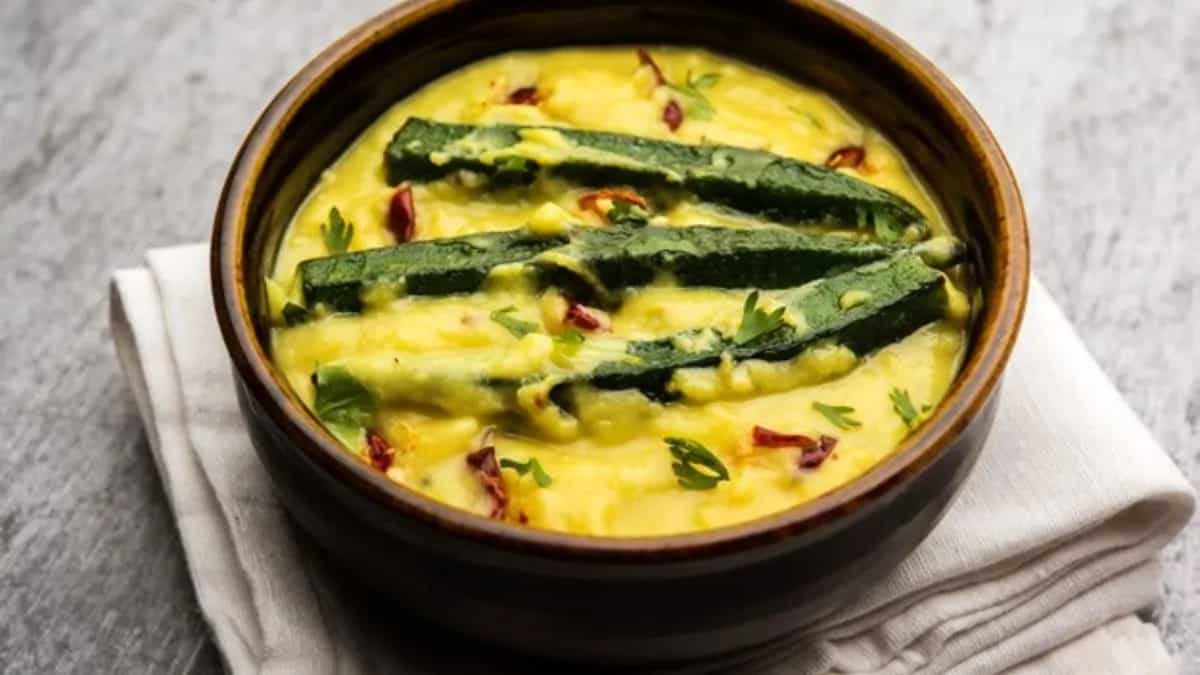
Dahi Bhindi cracks one of the greatest problems people have with okra, i.e. sliminess. The curd-based masala covers the bhindi while giving it a gentle tang that makes the dish feel fresh and less oily, as compared to its other version. Onions, cumin, coriander and light spices make a savoury base without overpowering the vegetable. Unlike the crispy fried bhindi, this version feels soft and more enjoyable during intense summer heat. It pairs beautifully with phulkas, jeera rice or even with plain dal because the dahi keeps the overall flavour feel balanced, creamy and a bit cooling without becoming too heavy.
(Image credit: Freepik)
Majjiga Pulusu, Andhra Pradesh
Majjiga pulusu is Andhra Pradesh’s answer to hot, draining summer. Prepared using buttermilk or thin curd, the curry has a sharp tanginess as compared to other dahi-based gravies from other regions. Vegetables such as bottle gourd, ash gourd or even colocasia (arbi) are simmered in the spiced curd base before being tempered with curry leaves, mustard seeds and green chillies. The final flavour feels light, a bit spicy and deeply refreshing at the same time. Served cold or warm with rice, it becomes the kind of comforting summer meal many households prepare often throughout the season.