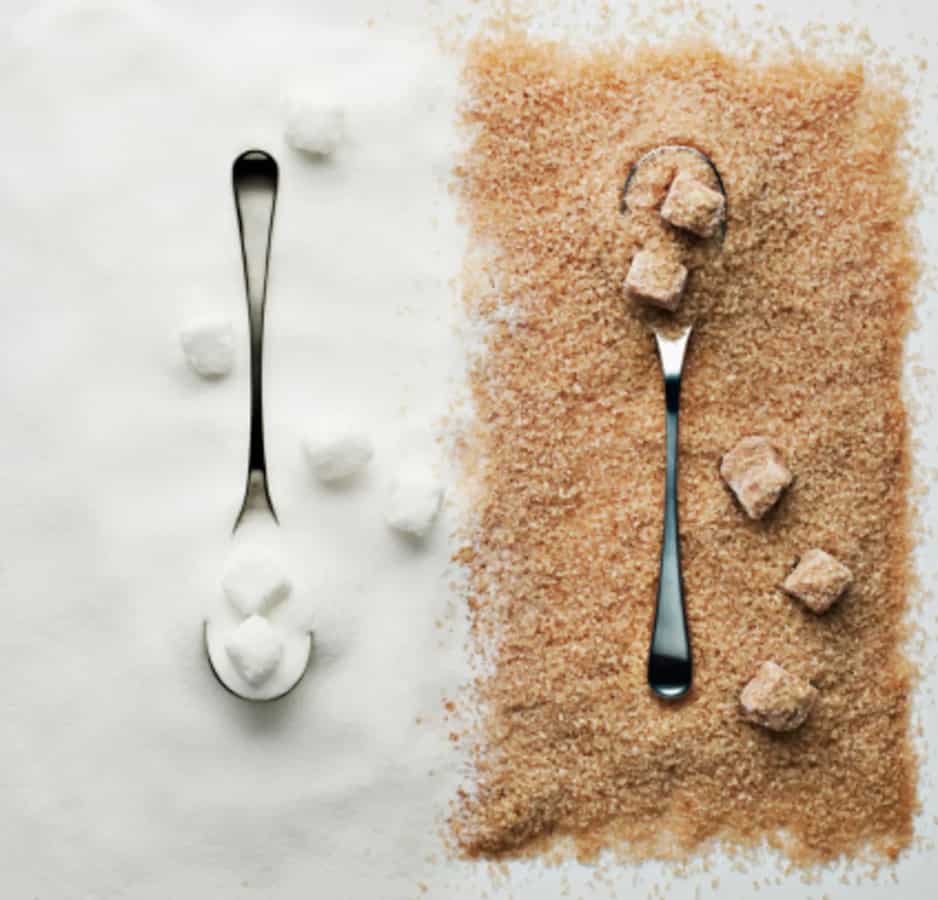
Sugar is one of the most ubiquitous ingredients in the world, found in almost every cuisine and dish imaginable. It is used in baking, cooking, and even in beverages, and has become an essential component of the modern diet. Sugar is so integral to our food that it is often overlooked, with little attention given to the many different types and varieties available. From white granulated sugar to raw cane sugar, there are numerous options to choose from. Each type of sugar has its own unique flavour and texture, and can greatly impact the taste and overall quality of a dish. In this article, we will explore the various types of sugar available and the different ways in which they are used in cooking and baking.
Granulated Sugar
Granulated sugar is a common form of sugar that is widely used in cooking and baking. It is made from sugar cane or sugar beets and is available in both white and brown varieties. Granulated sugar is known for its small, uniform crystals, which make it ideal for use in a variety of recipes. It is a versatile ingredient that can be used in everything from cakes and cookies to sauces and dressings. In addition to its sweetening properties, granulated sugar also provides texture and structure to baked goods, helping them to rise and set properly. It can also be used to preserve foods, such as fruits and jams, by drawing out moisture and preventing bacterial growth. Granulated sugar is a staple in most kitchens and is a key ingredient in many classic recipes.
Powdered Sugar
Powdered sugar, also known as confectioner's sugar or icing sugar, is finely ground sugar made by milling granulated sugar into a powder. The powder is then sifted to produce a consistent, fine texture. Powdered sugar is commonly used in baking and confectionery for making frostings, icings, and decorations for cakes and pastries. It can also be used as a dusting for desserts, fruits, and drinks. Powdered sugar is commonly used in recipes that require a smooth and creamy texture, as it dissolves quickly in liquids and does not leave a grainy texture. Additionally, it is often used to sweeten drinks such as coffee, tea, and hot chocolate.
Brown Sugar
Brown sugar is a type of sweetener that is used in many culinary applications. It is typically made by mixing granulated sugar with molasses, a thick, dark syrup that is a byproduct of the sugar refining process. The amount of molasses added determines the level of colour and flavour in the final product. Brown sugar has a warm, caramel-like taste and a moist texture that makes it a popular choice in baking. It is often used in recipes for cookies, cakes, and other desserts, as well as in marinades and sauces for savoury dishes. Brown sugar can also be used as a sweetener for coffee, tea, and other hot beverages, or sprinkled on top of oatmeal or yoghurt for added sweetness. In addition to its culinary uses, brown sugar has also been used in traditional medicine for its supposed health benefits, although there is limited scientific evidence to support these claims.
Caster Sugar
Caster sugar, also known as superfine sugar, is a fine-grain sugar that is commonly used in baking and making cocktails. It is a popular ingredient for recipes that require quick dissolving, such as meringues, custards, and sauces. Caster sugar is made by processing granulated sugar into smaller, finer granules. It is similar to powdered sugar, but not as fine. Caster sugar is often used in recipes where it is important for the sugar to dissolve quickly and completely, such as in meringues and whipped creams. It is also used in cocktails and other mixed drinks, as it dissolves easily in cold liquids. Caster sugar can be easily made at home by grinding granulated sugar in a food processor for a few seconds.
Demerara Sugar
Demerara sugar is a type of unrefined cane sugar that is light brown in colour and has larger crystals compared to regular brown sugar. It is named after the Demerara River in Guyana, where it was first produced. Demerara sugar has a subtle molasses flavour and a slightly crunchy texture. It is often used in baking, particularly in recipes that require a crunchy or chewy texture, such as cookies, crumbles, and toppings for desserts. It can also be used to sweeten hot beverages such as tea and coffee. Demerara sugar is sometimes used as a garnish for cocktails as well, adding a sweet and crunchy element to the drink. In addition, some people use it as a topping for oatmeal, yoghurt, or fruit. Due to its subtle flavour and unique texture, demerara sugar is a popular choice among bakers and chefs who want to add a touch of complexity to their dishes.
Muscovado Sugar
Muscovado sugar is a type of unrefined brown sugar that is commonly used in baking and cooking. It is made by boiling the juice of sugarcane until it thickens into a dark syrup, which is then dried and crushed to create coarse, dark brown crystals. Unlike other types of brown sugar, muscovado sugar retains its natural molasses content, giving it a rich, caramel-like taste with notes of toffee and fudge. It is often used in recipes where a strong, distinct sweetness is desired, such as in gingerbread, cookies, and barbecue sauces. Muscovado sugar is also commonly used in Caribbean and South Asian cuisines, where it is used to add depth and complexity to dishes such as curries, stews, and marinades. Its unique taste and texture make it a favourite among bakers and chefs who value natural, unrefined ingredients and rich, complex flavours in their cooking.
Turbinado Sugar
Turbinado sugar, also known as raw sugar, is an unrefined sugar that is obtained after the first pressing of the sugarcane. It has a coarse texture and golden-brown colour due to the presence of molasses. Raw sugar contains more minerals and nutrients than white sugar, making it a popular choice among health enthusiasts. It is commonly used in baking, as a sweetener in beverages, and as a topping for oatmeal and other cereals. Raw sugar has a distinctive caramel-like taste and can be used as a substitute for brown sugar in recipes. It is also a popular sweetener for coffee and tea, providing a natural sweetness and unique taste. Due to its popularity among health-conscious consumers, many food manufacturers have started using raw sugar in their products as an alternative to refined white sugar.
Now that you know the types of sugar, here are some ways to control sugar consumption and keep your blood sugar in check. It is okay to consume sugar but it must be in moderation.
How To Keep Sugar Consumption In Check?
Controlling sugar consumption is crucial to maintaining a healthy lifestyle, as excessive sugar intake can lead to various health problems like obesity, diabetes, and heart diseases. One of the simplest ways to control sugar consumption is to read food labels before buying any packaged products. This can help you identify hidden sugars and make more informed choices. Additionally, one can reduce the amount of sugar added to beverages like tea or coffee, or switch to natural sweeteners like honey or stevia, which are healthier alternatives to refined sugar.
Another effective way to control sugar consumption is to limit the intake of processed and junk foods, which are loaded with added sugars. These include items like cookies, candies, and sugary drinks. Instead, opt for healthier snack options like fresh fruits, vegetables, and whole grains, which are low in sugar and high in nutrients.
Moderation is also key when it comes to controlling sugar consumption. While completely cutting out sugar may be difficult for some, limiting the amount consumed can go a long way in promoting good health. This can be done by gradually reducing the amount of sugar added to foods and beverages over time. For example, you can start by using one spoonful of sugar instead of two in your morning coffee and gradually reducing it further.
Lastly, incorporating more physical activity into your daily routine can also help in controlling sugar consumption. Exercise helps to regulate blood sugar levels and can reduce cravings for sugary foods. By leading an active lifestyle, you can not only control your sugar intake but also improve your overall health and well-being.
In conclusion, controlling sugar consumption is crucial for a healthy and balanced lifestyle. By reading food labels, opting for natural sweeteners, limiting the intake of processed foods, moderating sugar intake, and incorporating physical activity into your daily routine, you can reduce your sugar consumption and improve your overall health.