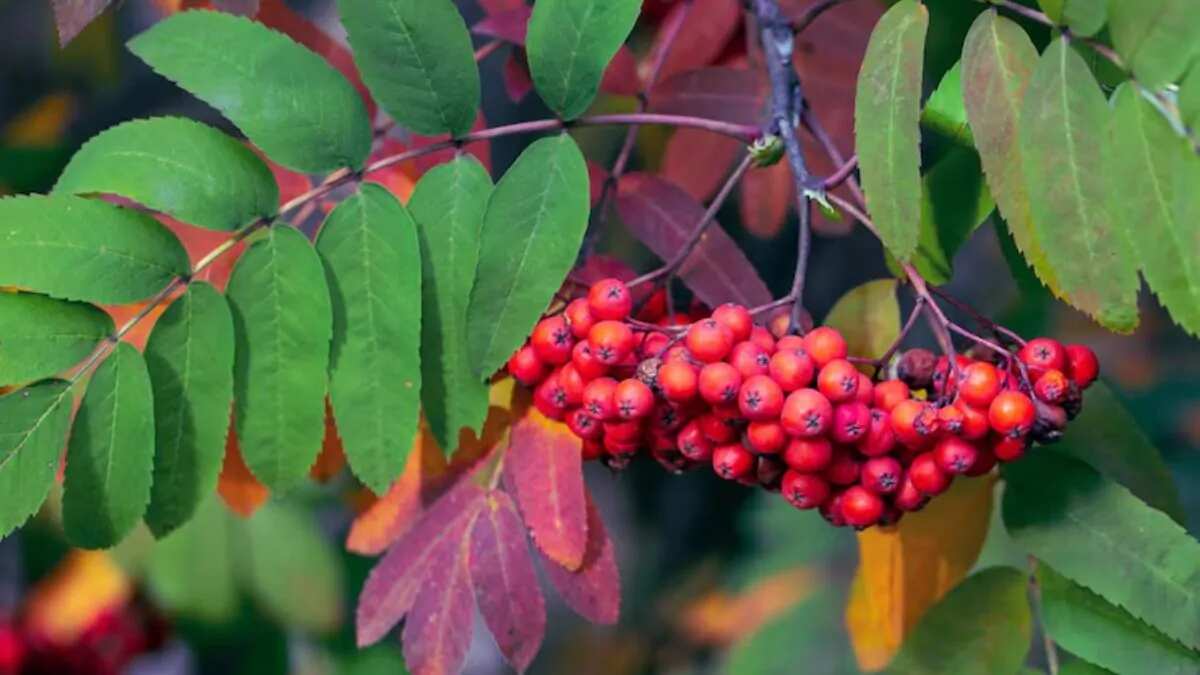
A spice that leaves a citrusy smell and a gentle tingling sensation on the tongue is discovering a new role in Arunachal Pradesh, not only in the kitchen, but in the lives of the people who gather it. Khagi, a local name used for Zanthoxylum in parts of Andhra, has long been collected from the forests by Indigenous communities and used in meat preparations, chutneys and also in millet-based foods.
At present, that traditional relationship with the forest is being linked to the markets as well. In West Kameng's Mandala-Phudung-Khellong Community Conserved Area (MPKCCA), communities that have support from WWF-India and its partners have created systems for sustainably collecting, processing and marketing khagi. Over the last two harvesting seasons, more than 10 tonnes of this spice were sold, benefiting over 200 households and yielding around INR 39 lakh in turnover.
The impressive part is not simply how much the spice has made. It is how a forest product that was already part of the local food culture is becoming a financial reason to keep the forest protected.
What Is Khagi And Why Is It Special?
Khagi refers to Zanthoxylum species that are traditionally used across Arunachal Pradesh. Its fruits are used as a spice and for traditional purposes.
Its charm comes from its unique flavour. The small fruits have a sharp, citrus-like aroma followed by the typical tongue-tingling sensation linked to it. Depending on the community and region, related types are known by names such as erma, shyein, yarma and zabrang.
For generations, it has been far more than a rare seasoning. Traditional uses established in Arunachal Pradesh include dried fruits, spices, and condiments, whereas fruits have also been used in chutneys and local food preparations.
From A Forest Spice To A Source Of Income
The challenge with many non-timber forest products is not just finding ways to use them. It is to make a dedicated way for communities to take them from the forest to the market without depleting the resource.
That is where the MPKCCA initiative becomes necessary. WWF-India and its partners recognised khagi as one of several non-timber forest products with saleable potential and worked with local organisations to create a sustainable collection protocol and market connections.
Instead of personal collectors working in isolation, the approach brings harvesting, aggregation, processing and marketing into a more organised, community-led approach. This can enhance the value of the produce while giving communities a more prominent position in determining how their forest aids are being used.
The MPKCCA itself is a community-conserved landscape in West Kameng. WWF-India says the area covers about 110 sq km, making it part of a wider network of Community Conserved Areas in Western Arunachal Pradesh where Indigenous and local communities play a major role in managing natural resources.
(Image credit: Freepik)
How Khagi Is Used In The Kitchen
The spice's retail potential is closely linked to something much older: its place in the local food.
Khagi has traditionally been used to add more taste to meat curries, chutneys and millet dishes, where its citrusy fragrance and numbing warmth can add character without needing a complex spice blend. Its dried fruit can be used as a condiment, whereas local food habits also make use of other parts of the plant.
This is important because the market is not making a totally new product. It is giving more significant economic value to something that communities already know, collect and cook with.
When Selling A Spice Also Helps Protect The Forest
The most important part of the khagi story is what happens beyond just the market.
The community-led model relates income from the spice to conservation actions. A part of the benefits is directed towards forest protection and monitoring of biodiversity, making a practical relationship between the health of the forest and the income generated from it.
That idea is central to the broader Community Conserved Area model in Arunachal Pradesh. WWF-India reports that long-term livelihood chances can deliver an economic incentive for communities to continue to take part in the conservation. Across its CCA network in West Kameng and Tawang, more than 1,200 sq km of forests fall under the same framework.
Why The Khagi Model Matters
The Khagi story offers a valuable takeaway for food and spice lovers: a spice can have an entire ecosystem of knowledge behind it.
For the communities of West Kameng, the value of khagi is no longer restricted to what it adds to a bowl of chutney in a curry. It can deliver income, strengthen the community-led forest management and provide a reason to harvest without considering the forest as an unlimited storehouse.
The numbers - 10 tonnes sold, INR 39 lakh in turnover and more than 200 households benefiting- indicate the economic side. But the bigger story is the relationship between those earnings and protection.