In coastal India, coconut is seldom just something that is grated over a curry. It can be the beverage that is served straight from a soft nut, the creamy base of the gravy, the oil used for seasoning, the sharpness in a chutney and the sweetness in a dessert. What makes the coconut palm particularly special is that its different stages and parts turn out as different ingredients, each having its own role in the cooking.
From Kerala and coastal Karnataka to Goa, Maharashtra and parts of Tamil Nadu, coconut has shaped day-to-day cooking. A mature coconut can give grated flesh, milk and oil, whereas sap gathered from the flower can turn out to be neera or coconut jaggery. Together, these ingredients explain why coconut is not just a flavour in coastal food, but it is part of the structure of the meal itself.
Tender Coconut For A Drink
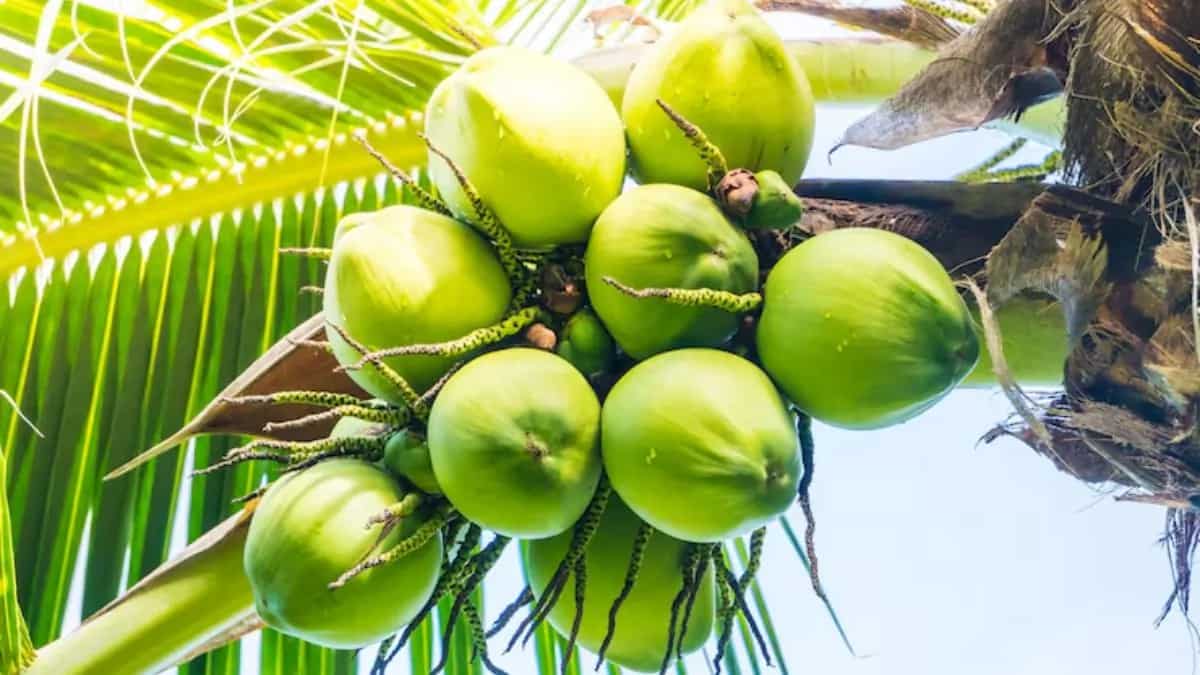
The simplest form of coconut to identify is the delicate coconut. Its water is naturally refreshing and is typically enjoyed as a drink, especially in hot and humid coastal regions. But the soft flesh within the young coconut is something that you can eat too.
That soft, jelly-like flesh is eaten, blended into drinks and is also used in desserts. Its texture is totally different from mature coconut: soft, slick and lightly sweet rather than being firm and nutty.
As the coconut ripens, the water becomes less noticeable while the white kernel grows. That change is what lets the same fruit move from being a refreshing drink to one of the most essential cooking ingredients in the coastal kitchens.
(Image credit: Freepik)
Mature Coconut Used In Curry
Grated mature coconut is one of the bases of many coastal dishes. It can be ground with spices to make a paste, added directly to the vegetables or squeezed with water to make coconut milk.
In Kerala cookery, coconut milk gives dishes like vegetable stew and appam accompaniments their light richness that is loved. In coastal Karnataka, freshly ground coconut makes the base of many vegetable, seafood and curry preparations. Konkani and Goan cooking also uses coconut to soften the heat of the chillies and spices while giving gravies a thicker consistency.
The crucial thing is that coconut does more than add flavour. Its fat and texture help bring together the spice, sourness and heat, which is why a coconut-based curry taste abit more rounded even when its ingredient list is fairly simple.
Coconut Oil Changes The Aroma Of A Dish
In many coastal regions, coconut also enters the kitchen as coconut oil. It is used for cooking, frying and also tempering, and its unique aroma turns out to be part of the dish from the very start.
Think of a simple tempering of mustard seeds, curry leaves and dried red chillies. Cook those ingredients in coconut oil, and the fragrance is evidently different from the same tempering that is made with a neutral cooking oil.
It is especially associated with Kerala cuisine, where coconut oil is used in many vegetable preparations, seafood dishes and also in snacks. Here, the oil is not just a cooking medium; it adds a recognisable coastal touch to the finished food.
(Image credit: Freepik)
The Coconut Flower Gives A Different Kind Of Sweetness
The coconut palm also delivers an ingredient that is easily overlooked because it does not come from the fruit. Sap gathered from the flower or unopened coconut inflorescence can be enjoyed fresh as neera or processed to make sweeteners.
When the sap is concentrated, it can turn out to become coconut jaggery or syrup. The result has a deep, more caramel-like taste than regular refined sugar, making it especially useful in traditional sweets
This is another example of how the coconut palm keeps shifting between forms. The fruit gives milk and oil; the flower gives sap and, finally, the sweetener.
Coconut Jaggery Goes Into More Than Mithai
Coconut jaggery has a unique place in coastal and southern Indian sweets. Its darker colour and earthy sweetness work especially well with ingredients like rice flour, coconut and sesame.
It is used in payasam, modak, steamed rice-and-coconut sweets, ladoos and other regional festive preparations. In dishes like patoleo or patoli, a coconut-jaggery filling is stuffed in a rice-based layer and then steamed in aromatic turmeric leaves.
The taste is different from the regular dessert that is made with plain white sugar. Jaggery adds a fuller, a bit smoky sweetness, whereas coconut adds fat and texture. Together, they make the kind of filling that tastes intensely connected to the region.
How Can Coconut Chutneys Be Forgotten
Perhaps nowhere is coconut's daily importance more obvious than in chutneys. Fresh coconut is ground with green chillies, ginger, coriander, curry leaves or roasted spices, depending on the region and dish.
A coconut chutney with dosa or idli is familiar across India, but coastal versions can be much more varied. Kerala's chammanthi, for example, can blend grated coconut with chilli, shallots, tamarind and other ingredients to make something more intense and sharper than a light breakfast chutney.
The coconut adds a creamy, a bit sweet base that perfectly balances heat and acidity. That makes it useful not only as a side dish but also as a way of maintaining the intensity of an otherwise fiery feast.