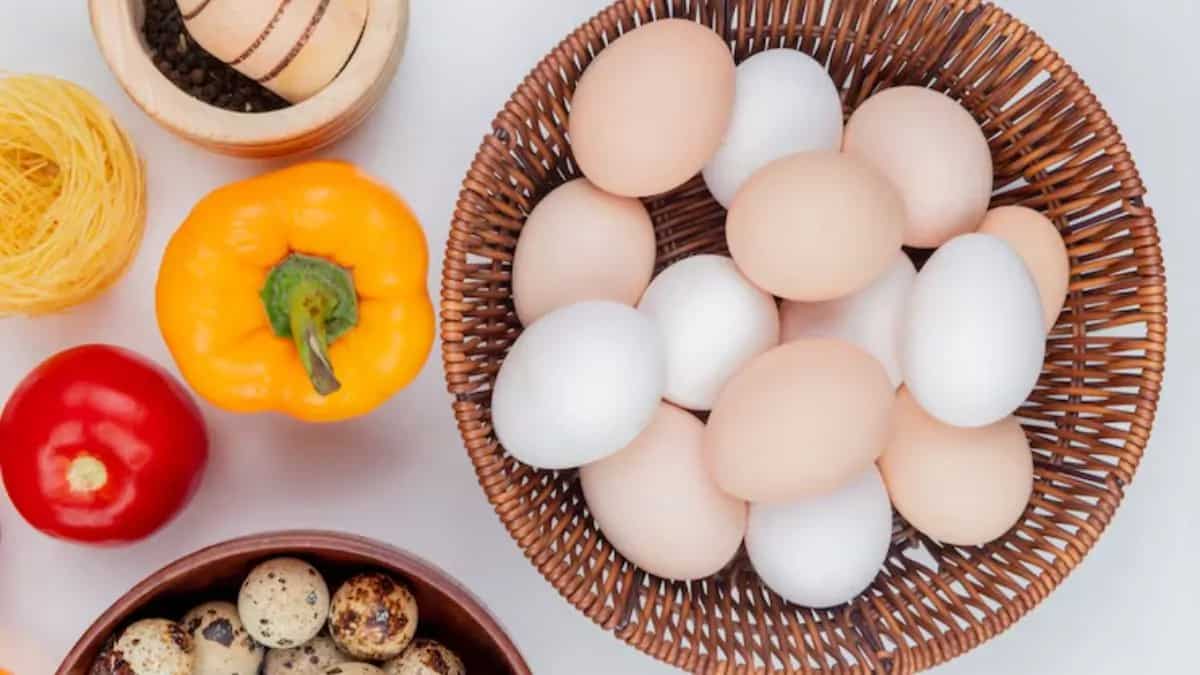
In a recent video that went viral online show boiled eggs turning rubber after boiling them, which were delivered through a quick-commerce grocery platform, has sparked widespread concern among consumers. In the videos, the eggs appeared unusually elastic and bouncy when pressed with fingers, leading many viewers to question whether poor-quality or fake eggs are being circulated in the market. Since the eggs are one of the most commonly consumed sources of protein in many households, the video has triggered debates concerning food safety, online grocery quality assessments and cold-storage measures during delivery.
While social media often exaggerates plastic egg fears, the incident has once again forced consumers to ask important questions about freshness, handling and also its safety.
More notably, the discussion has shifted beyond just the viral video. It has opened larger concerns around how sensitive foods are being transported through quick online grocery delivery apps and whether consumers are keeping a careful check on egg quality before cooking them at home.
What FSSAI Has Said So Far?
The Food Safety and Standards Authority of India (FSSAI) has sought clarification from the e-commerce site after the concerns around the viral rubber eggs surfaced online. While FSSAI has not officially established the existence of plastic eggs in the market, it has constantly emphasised the importance of proper food storage, hygiene maintenance, and transportation standards for such perishable products. Eggs sold commercially must follow the set food safety regulations related to cleanliness, freshness and storage temperatures.
Food safety authorities also encourage consumers to report any suspicious food products directly rather than relying only on viral assumptions online. In many cases, unusual egg texture may result from the ageing, poor refrigeration or cooking requirements rather than direct adulteration.
(Image credit: Freepik)
Can Eggs Actually Turn Rubbery Naturally?
Surprisingly, yes, eggs can sometimes naturally develop a rubbery texture under some specific conditions. Overboiling eggs for too long can tighten the proteins too, making a dense and elastic-like texture instead of a soft one. Improper refrigeration or repeated temperature changes during transportation may also affect the inner structure of eggs over time.
Moreover, ageing changes egg texture as well. Older eggs often lose the moisture and air-tightness, which can make the cooked whites feel unusually firm or too chewy. However, too stretchy or chemically smelling eggs should not be ignored. Texture alone does not automatically guarantee adulteration, but when mixed with unusual smell, watery consistency or odd appearance, it becomes a warning sign that should be taken seriously.
(Image credit: Freepik)
Signs Your Eggs May Be Unsafe
Here are a few signs by which you can recognise suspicious eggs through a few simple kitchen checks.
Watery Egg Whites After Cracking
Fresh eggs usually have thick whites and more rounded yolks that hold their shape correctly. If the egg spreads immediately like water, it may already be ageing or may be poorly stored.
Sour Or Unusual Smell
Healthy eggs should smell neutral, both before and after cooking. A strong sulphur-like, chemical or sour smell is often one of the most noticeable warning signs of spoilage.
Shell Feels Too Shiny Or Sticky
Fresh egg shells usually feel a bit rough and firm. If the shell looks too glossy, slippery, cracked or sticky, it may mean poor storage or it may have spoiled.
Strange Texture After Cooking
Overcooked eggs can turn out to be a bit firm naturally, but an extremely rubbery, stretchy or oddly chewy texture should not be overlooked, particularly with an unusual smell or appearance.
Egg Floats In Water
Place the egg in a bowl of water before you cook. Fresh eggs generally sink beneath, whereas the older eggs stand upright or float because the air slowly enters the shell over time.
Health Risks Linked To Spoiled Eggs
Spoiled or contaminated eggs can lead to stomach cramps, diarrhoea, vomiting or even food poisoning symptoms, particularly during intense summer weather when bacteria reproduce faster. Improperly stored eggs carry a higher risk of bacterial infection, such as Salmonella, which can become dangerous for children, elderly people and those who have a weaker immunity.
(Image credit: Freepik)
What makes egg spoilage tricky to judge is that problems are not always visible instantly from the outside. Sometimes the smell or texture changes become evident only after the cooking. If an egg smells distinctive, behaves oddly during cooking or feels too rubbery alongside the other warning signs, it is safe to discard it entirely.