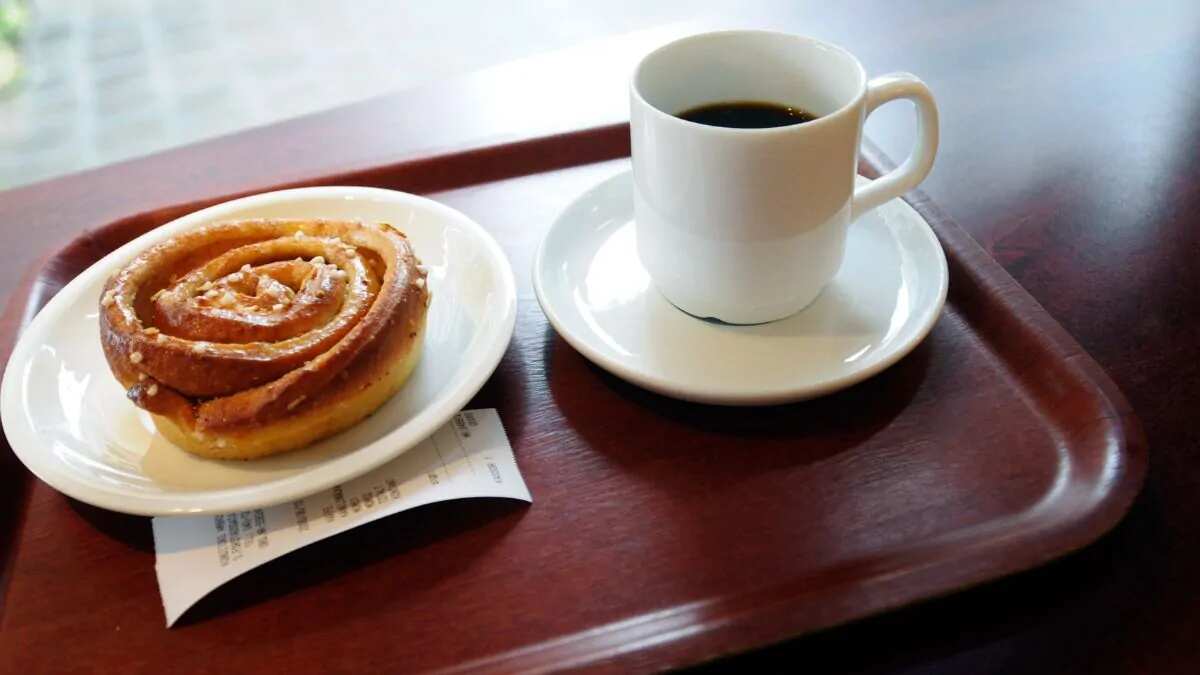
Coffee breaks are not merely something individuals add to their daily routines in Sweden; they are a meaningful aspect of everyday life that feels leisurely, thoughtful, and comfortable in contrast to the regular rush of the day. This practice is called ‘Fika’, and it is much more than just drinking coffee since it allows people to pause, sit with others, and enjoy a moment that is not driven by deadlines or distractions, but rather by presence and ease.
Image Credit: Flickr
During this time, individuals frequently sip their coffee slowly while eating something sweet, such as a soft cinnamon bun, extending the experience for a bit longer than usual, almost like a quiet pause that helps reset both the mind and emotions. There is no rule - you can fika whenever you want in Sweden. But what is the origin of fika, you ask? Continue reading to learn more about this beloved Swedish custom.
Tracing Swedish Fika Through Time
The word "fika" is pronounced "fee-kuh" and can be used as a verb or noun. Fika literally means "to have coffee" or "a coffee break" in English, but it's about so much more. In the mid-18th century, Sweden's King Gustav III imposed a high tax on coffee, fearing that it would bring health problems and that coffee gatherings would lead to individuals conspiring against him. It resulted in a black market for coffee.
In the 19th century, coffee became more inexpensive, and its appeal grew regardless of class or status. At the same time, Swiss migrants established Schweizerier, which is a type of bakery. As a result, Swedes began to like drinking coffee with something sweet. This habit spread rapidly, particularly at home. Men visited coffee shops more regularly, yet it was unseemly for them to eat so much cake. But there was no such rule for women! Having coffee and cake parties at home was a common method for women to showcase their hosting talents.
Cakes, Catchups & Fika
The production of the enormously famous Sju Sorters Kakor in 1945 to commemorate the end of rationing solidified the practice of having something sweet with your fika in Swedish society. Its title translates to 'Seven sorts of cake', and it remains the best-selling cookbook in Sweden to this day. The title is based on the recommendation that seven cakes are appropriate for a fika party. If you serve more than seven, you're considered a snob or a showoff. However, serving fewer than seven is considered stingy. Of course, this does not imply that you must serve seven different types of cake. Consider keeping it in mind. For that fika in which you go all out. Just remember to give us an invitation!
Image Credit: Flickr
In Stockholm, the capital city, the picturesque Gamla Stan (Old Town) area offers a charming backdrop for a fika experience. With its colourful medieval buildings and cobblestone streets, this historic neighbourhood fosters a cosy atmosphere that only adds to the fika experience. The Södermalm district in Stockholm is a perfect choice for those seeking a trendier vibe. In Gothenburg, the Haga old town neighbourhood welcomes fika enthusiasts with its oversized Swedish cinnamon buns, known as Kanelbulle. These delectable treats, bigger than one's head, are a perfect accompaniment to a cup of coffee or tea.
Classic Swedish Fika Pairings To Try At Home
Swedish Cinnamon Buns
These are one of the most popular fika treats; sweet twisted bread infused with cinnamon or cardamom and coated with a little egg wash. Unlike American cinnamon buns, which are sweet and topped with icing, Swedish versions are more delicate, with more spices than sugar and frequently dusted with a touch of pearl sugar. Swedish cinnamon buns tend to be moister.
Dammsugare
This whimsical delicacy is called a vacuum cleaner because it resembles Swedish vacuum cleaners from the 1920s, and the insides include every last crumb—they're prepared with leftover cookies or cake flavoured with cocoa powder.It's spiked with a little amount of Swedish punsch, a liquor produced from a variety of spirits, and then wrapped in green marzipan.
Chocolate Balls
These are one of the first sweets that Swedish children learn to make, owing to the fact that they are no-bake and contain only a few ingredients such as butter, sugar, cocoa powder, and oats. A small amount of brewed coffee is occasionally added for extra flavour and to help melt the butter. Simply combine the ingredients, form into smooth balls, then coat with shredded coconut.
Image Credit: Flickr
Shortbread Cookies
Shortbread cookies are global, and they're so important to the fika experience that it was formerly customary for a proper housewife to entertain with at least seven of these cookies. In 1945, the recipe collection of fika pastries known as Seven Kinds of biscuits (Sju Sorters Kakor) was produced in honour of all the numerous versions of these shortbread biscuits. Today, the book is a classic and a family heirloom, and it remains one of the most comprehensive cookbooks of Swedish fika treats. Your classic shortbread cookie is made simply with butter, sugar and flour, and a variation of that called Märta's Sliced Chocolate Cookies is made with cocoa powder and topped with pearl sugar.
Kladdkaka
The kladdkaka is a chocolate cake with a sticky middle due to its brief 15-minute baking time. Traditionally made using flour, butter, and cocoa powder, Kindvall prefers to use finely crushed almond flour for consistency.
Princess Cake
This is a lovely cake made especially for birthdays: a sponge cake with a layer of jam and cream, wrapped in a brilliant green marzipan shell, and frequently adorned with a hot pink flower on top. Its green appearance makes it a familiar sight for Swedes.