Today’s day and age witnesses consumers who make an effort to be conscious in understanding where their loaf of bread or hunk of cheese comes from – amongst other agricultural practices, which take into account the environment and the growers of produce. The natural course within this system also enables one to introspect about where a bottle of milk, butter or even ice cream comes from. For those unfamiliar, ethical dairy practices are primarily rooted in the belief that all involved variables – namely the cattle, farmer and consumer – are treated as equal contributors in the systemic chain.
Making Dairy Ethical: An Introduction
Image Credits: Pexels
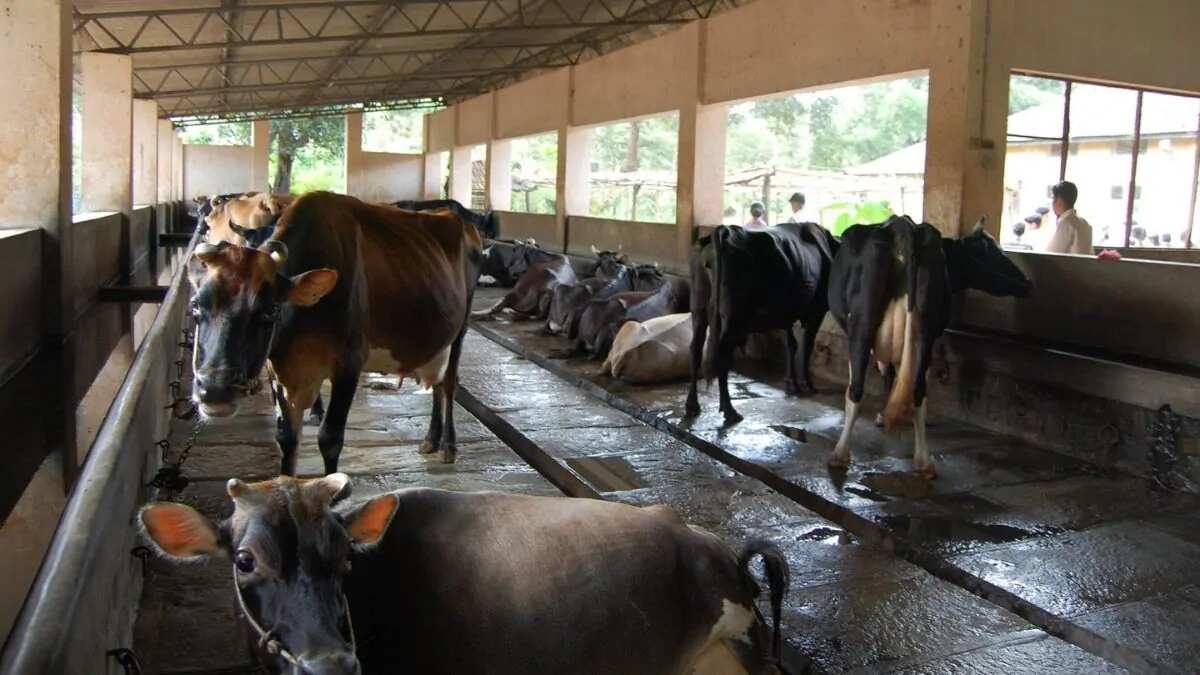
An ancient practice rooted in treating cattle with care by providing access to clean drinking water, high quality natural nutrition and comfortable living conditions – the essence of the practice involves having minimal environmental impact by putting into place waste management methods as well as recycling resources such as water, for it to remain a sustainable but closed loop. That aside, creating an awareness within communities is also inclusive within the scope of the practice, since it opens avenues for consumers to give back in some ways and also benefit from it long-term.
Also Read:
Sustainable Dairy Farm Practices
Since dairy farms utilise plenty of water for maintenance, reusing the resource makes most sense in a way where once the milk is chilled, the same water is used to wash cattle following which it is diverted to crops for irrigation. The manure generated from cows and buffaloes not only fertilise crops but is also dried to make bedding for them. In some cases, anaerobic digesters also convert animal waste into renewable energy – along with space for solar panels and wind turbines. Soil health is given as much importance since replenishing nutrients of the earth contributes to reducing carbon footprints as well as reducing runoffs. Farmers and workers that interact with the space are also treated humanely and compensated with fair wages for their labour.
Identifying Ethical Dairy Farms
Image Credits: Pexels
One of the clear indicators of ethical dairy farmers is when third-party certifications such as Animal Welfare Approved, Organic or Grass-Fed are attached to their products. The process from production to distribution is usually transparent – think farm tours for consumers, detailed information about their ethos and standards along with information about their supply chains. Family-run farms or farmer co-operatives mean fewer cows per acre and individual care – both of which are key to the humane treatment of cattle.
Why Buy Ethical Dairy Products?
One of the primary reasons for supporting ethical dairy farms is to make provision to create better living conditions for the animals. This means, that the happier and healthier the cattle are, the higher the quality of milk, free from antibiotics or chemicals. Small-scale, sustainable farmers are also given fair compensation which helps them reinvest in their communities as well as promote fair labour practices. Ethical dairy farms are also a great way to support adjacent biodiversity, thus conserving the environment lowering greenhouse gas emissions.