Eid al-Adha, also known as Bakrid Eid in South Asia, is one of the most important festivals celebrated in Islam. It is often referred to as the ‘festival of sacrifice’, and it honours the devotion of Prophet Ibrahim, who was willing to sacrifice his son Ismail as an act of obedience to God. The occasion is marked by the ritual of Qurbani, where families who are financially able sacrifice a permissible animal such as a goat, sheep, cow, or camel. The meat is then divided into three equal parts: one portion for the family, one for relatives and neighbours, and one strictly for those in need. This tradition makes food an important part of the celebration, not simply as a feast, but also as an act of sharing and community care. In 2026, Eid al-Adha will begin on May 27 in Saudi Arabia, the UAE, and Gulf countries, while India, Pakistan, and Bangladesh are celebrating the festival on May 28 following local moon sightings.
While biryani often becomes the most talked-about dish during Eid gatherings, the festival’s culinary spread is far more diverse. Since fresh meat becomes available in abundance after Qurbani, households prepare a wide variety of slow-cooked dishes using different cuts across several days. Many of these foods have strong regional identities and family traditions that deserve just as much attention as biryani itself.
Nihari
Nihari is one of the most iconic slow-cooked meat dishes associated with Eid al-Adha, especially in North India, Pakistan, and parts of Old Delhi. This dish is traditionally prepared overnight, and it uses shank meat simmered for hours with spices until the gravy becomes rich and velvety. Unlike biryani, which is often reserved for large festive lunches, nihari is commonly eaten for breakfast with khameeri roti or naan on Eid mornings. The slow cooking process allows bone marrow and spices to create a flavourful dish.
(Image Credit: Freepik)
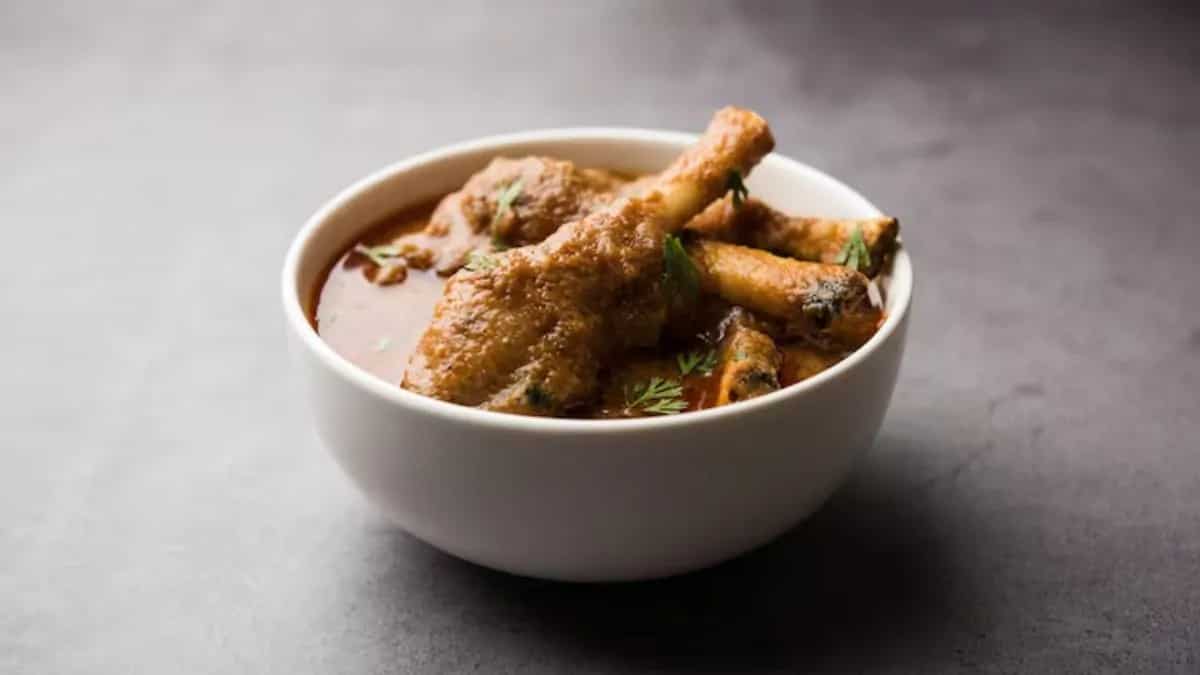
Paya
Paya is another prominent dish during Eid, but it rarely receives the same attention as biryani. It is made using goat or lamb trotters and is slow-cooked for several hours until the broth develops a gelatinous texture, which is also rich. Across many Muslim households in Hyderabad, Lucknow, Kashmir, and Pakistan, paya is considered a celebratory delicacy. The dish is often eaten with naan or kulcha.
(Image Credit: Freepik)
Kaleji Masala
Fresh liver preparations are also made during Eid, as organ meats are usually cooked first after Qurbani. Kaleji masala, made using goat or lamb liver, is one of the quickest Eid dishes prepared in many homes. This dish does not take hours to cook. The kaleji is usually stir-fried with onions, tomatoes, green chillies, and spices. Kaleji masala is generally consumed during Eid morning and is often eaten hot with roti shortly after prayers.
Chaap
Mutton chaap is another Eid favourite that certainly deserves more recognition. This dish is popular across North India and Mughlai cuisine. It uses rib cuts marinated in spices and cooked slowly until tender. Some versions are pan-fried while some are grilled over charcoal, which gives the meat a smoky richness. During Eid gatherings, chaap is eaten as an appetiser or evening snack alongside chutneys and roomali roti.
(Image Credit: Freepik)
Korma
While biryani usually becomes the centrepiece of Eid lunches, korma is often the dish that cannot be missed at the Eid spread. Korma is made with slow-cooked meat, yoghurt, browned onions, and aromatic spices. It has a richness that makes the dish festive without relying on rice. Different regions prepare korma in different ways. Hyderabadi versions may include coconut or sesame, while North Indian kormas are famous for their browned onions and whole spices. Korma can be paired with sheermal, naan, or taftan instead of rice.