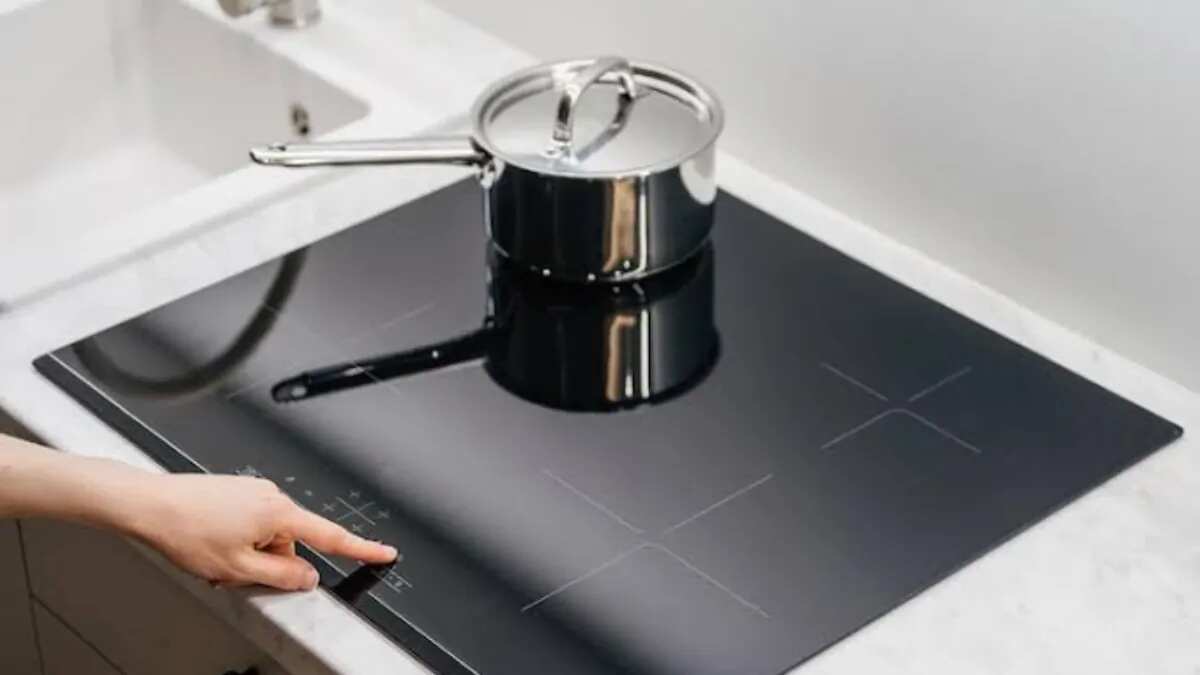
The Usha Ebony cooktop fits easily into modern kitchens and handles different kinds of vessels. The flame spreads evenly, so food heats properly. The burners stay stable, and the frame supports heavy pans without tilting. Its black glass surface looks polished and stays cleaner than most steel tops.
It does not need much effort to maintain. Wiping the surface and checking the burners regularly keeps it working well. But some small details often get missed during rushed cooking. These safety habits do not take extra time. They are easy to follow and make a clear difference in daily use.
1. Check Ignition And Flame Before Placing The Vessel
If your Ebony cooktop has auto-ignition, press the knob gently and hold it down until the flame appears. Wait for the flame to settle before placing the pan. If you use a manual model with an external lighter, switch it on first, then open the gas knob. This gives you better control over the flame.
Once the burner lights up, take a moment to look at the flame. A steady blue flame means the burner is clean and working well. If the flame looks uneven or makes a noise, switch it off and check the burner cap. Let the cooktop settle before continuing. This step prevents sudden flares and helps start the cooking safely.
2. Use Flat-Bottomed Vessels For Better Balance
Flat pans or pots stay steady on the burner. They sit well on the pan support and allow the flame to reach the base properly. Food inside cooks more evenly when the vessel stays still.
Avoid round-bottomed or uneven kadais. These may rock slightly while stirring, which can spill hot food. Use pressure cookers and fry pans with handles that do not tilt forward. Check that the burner support is clean before placing the vessel. This makes sure it does not slip or shake while in use.
3. Keep The Area Around The Cooktop Clear
The counter near the cooktop should stay dry and open. Do not keep paper, cloth, or packets too close to the flame. These can catch fire from even a small tilt in the pan. Oil bottles, spice jars, and salt containers can stay on a tray at the back or side of the counter. This keeps things organised and avoids spills near the burner. Wipe the glass surface gently before turning on the gas if there is moisture or leftover food bits. A clean surface prevents slips and stains while cooking.
4. Turn The Flame To Medium Once The Food Starts To Boil
After the food begins to boil or sizzle, shift the flame to medium or low. This gives better control and avoids sticking or uneven browning. Strong flames can leave black marks under vessels and overcook the base before the rest of the dish is ready. Slow, steady cooking also reduces splashes and helps food retain flavour. If you are boiling milk or dal, leave the lid slightly lifted to allow steam to escape. Do not leave the pan fully covered on high flame, especially if it has a narrow spout. This avoids spillovers and keeps the burner dry.
5. Clean The Burners And Surface Once A Week
Wiping the top surface every day after cooking helps avoid sticky marks. Use a soft cloth and mild soap with warm water. Avoid rough pads or hard brushes, especially on the glass surface. Dry the top fully before using the stove again.
Check the burner caps weekly. If the holes are blocked, the flame may turn yellow or uneven. Remove the burner part and use a small pin or needle to clean out food bits or grime. Let the burner dry completely before placing it back. If it stays wet, it may spark unevenly or smell of gas when lit.
These small checks take only a few minutes and help the cooktop work better over time.