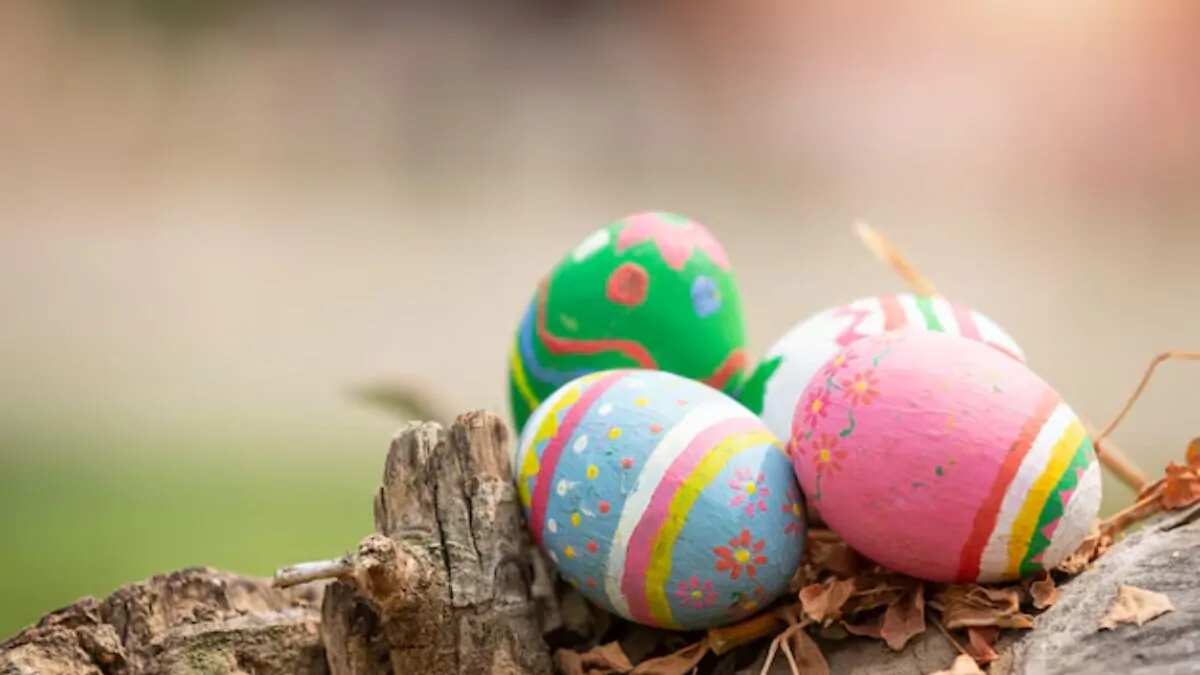
The festival of Easter will be celebrated on April 5, 2026. Across countries and cultures, what people eat on Easter holds meanings that have been shaped by faith, seasonality, and, of course, history. After the fasting period of Lent in many Christian traditions, Easter meals often celebrate abundance, where breads, egg dishes, meats, and traditional sweets are often part of the celebration. But beyond just the history and meanings, these dishes are also deeply embedded in the emotions, with recipes that have been untouched and passed down through generations.
Ingredients like eggs, butter, and sugar are the focal point of the festival, which changes meals into celebrations. These traditional foods are not just eaten, but they are also a reflection that even in the fast-paced world, which is ever evolving, they are still loved by people and remain untouched by modernity. You can also take some inspiration from these traditional delicacies for your Easter spread to make it more thoughtful.
Hot Cross Buns, United Kingdom
Soft, a little sweet, and marked with a cross on the top, hence the name hot cross buns, they are one of the most loved Easter foods across the United Kingdom. Traditionally eaten on Good Friday, the cross symbolises the crucifixion of Jesus. The spices filled inside it, such as cinnamon and nutmeg, represent the ancient trade influences. These buns have their roots in the 12th century, when a monk is assumed to have first marked them with a cross. Since then, they have been associated with protection and good luck. Today, these hot cross buns stay a comforting, nostalgic bake that instantly signals the arrival of Easter.
(Image credit: Freepik)
Paska Bread, Eastern Europe
Paska is a rich, a bit sweet bread that is prepared across countries such as Ukraine, Poland, and Russia. Each of them has its own variation. Adorned with dough braids and spiritual symbols, paska bread is traditionally baked for Easter Sunday and then often taken to church for blessing before eating it. The bread represents renewal and joy after Lent, when ingredients such as eggs, butter, and milk make a comeback to the table. Its tall, golden shape and soft crumb make it both a centrepiece at the Easter spread and also a symbol of festivity.
Roast Lamb, Greece & Mediterranean
In many Mediterranean countries, particularly Greece, roast lamb is the soul of the Easter meal. It carries deep sacred symbolism that represents sacrifice and regeneration, which is linked to both Christian and other older traditions. The lamb is often slow-roasted on a spit, seasoned only with garlic, lemon, and a few herbs, letting the meat’s richness shine through. The communal cooking, mainly outdoors, involves these changes, which change the meal into a family event rather than just a dish. After weeks of fasting, this feast celebrates abundance and togetherness. Roast lamb is less about complexity and more about celebrating tradition through flavour, patience, and get-togethers.
(Image credit: Freepik)
Colomba di Pasqua, Italy
Shaped like a dove, Colomba di Pasqua is Italy’s Easter response to panettone. This soft, airy cake is prepared with all-purpose flour, eggs, butter, and candied orange peel, then embedded with almonds and some sugar crystals. The dove shape represents peace and revival, aligning with Easter’s message. Though rather modern, it was popularised in the 20th century and has quickly evolved into a festive staple. Its long fermentation process gives it a soft texture and rich flavour. Sliced and shared after heavy festive meals, it is less about indulgence and more about slowing down and observing the moment with something thoughtfully made.
Easter Eggs, Global Tradition
Eggs are possibly the most versatile symbol of Easter, representing new life and rebirth. Across many cultures, they appear in different forms, sometimes painted, dipped in chocolate, or hard-boiled and dyed. In countries such as Germany and the United States, egg hunts are a very popular tradition, particularly for children. Historically, eggs were forbidden during Lent, so their comeback at Easter made them even more special. In Eastern Europe, decorated eggs, such as Ukrainian pysanky, have detailed patterns and purposes. Whether simple or elaborate, Easter eggs link cultures through a shared idea of celebrating rebirth.