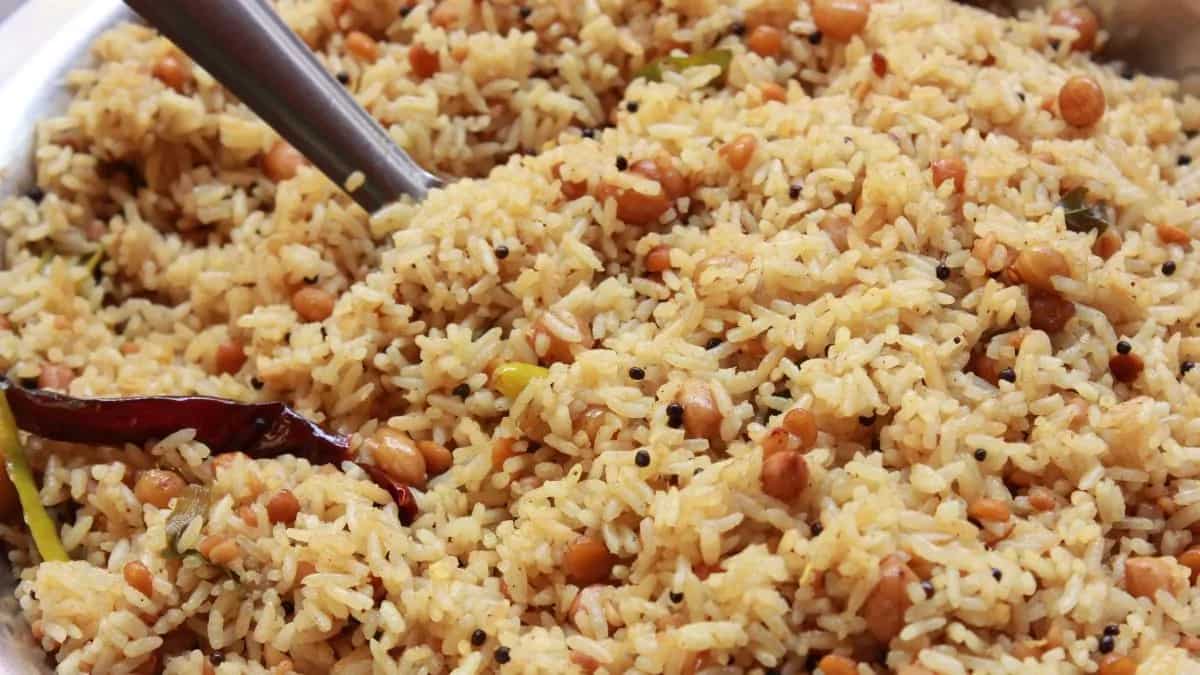
Dussehra, Dashami or Dasara, has its familiar, nostalgic set of spectacles: Ravana’s effigy burning against the evening sky, glorious lights and bidding farewell to Maa Durga or Maa Chamundeshwari (or other regional commemorations of Goddess Shakti’s various avatars), and families gathering for one last festive meal after Navratri. Yet some of the most interesting culinary traditions associated with the season are not known by every Indian, despite varying degrees of culinary affection and spiritual fervour. And that is not done.
For instance, in Maharashtra, a delicate, crisp preparation called kadakani is offered to the Goddess, while in Karnataka, families make the nationally underrated sweet yereyappa during their Dasara observances, and festive kitchens elsewhere often turn to regional sweets, puddings and jaggery-based delicacies. Across India, Vijayadashami is celebrated in different emotional ways, from Bengal’s tear-stricken and sindur khela-laced Bijoya Dashami to Karnataka’s grand Mysuru Dasara.
Food traditions are equally varied, although not every dish is exclusive to the tenth day only. Some have also become contemporary Dussehra favourites over time. Here are five preparations that offer a closer look at the lesser-known, regional Dussehra sweets and festive foods that deserve attention during the Navratri season.
5 Underrated Regional Festive Treats For Dussehra This Year
1. Kadakani, Maharashtra
Kadakani is a traditional Maharashtrian preparation that deserves far more credit than it usually receives outside the state. Thin, crisp, and gently sweet, it resembles a small fried puri but is deliberately rolled so that it does not puff up. The preparation is specially associated with Navratri offerings to the Goddess, with some households also shaping the dough into miniature ornaments. Creative, right? Once the offering to Maa has been made, the kadakani can become a delicious accompaniment to your evening cup of tea.
To make this dish, all you need are semolina, flour, sugar, water, and oil. Start by dissolving the sugar in water. Then mix your semolina, flour and teaspoon of oil, before gradually add the sweetened water to make a firm dough. Cover and rest for an hour. After that, divide the rested dough into small balls and roll each one into a very thin disc. Prick with a fork so that your discs remain flat. Finally, deep-fry over medium-low heat until pale golden and crisp. Cool completely before serving the crisp treats.
2. Yereyappa, Karnataka
Karnataka’s Dasara celebrations have a sweet speciality that is easy to overlook due to the magnificent grandeur of Mysuru’s palace festivities. But yereyappa is a traditional sweet preparation made using rice, coconut and jaggery, often fried in ghee or oil. Its soft, slightly chewy centre and caramel-like sweetness help distinguish it from other crispy festival snacks. It is particularly associated with Saraswati Puja during the Dasara period, when families honour learning, music and the arts.
Image credit: Wikimedia Commons
To cook this textural dessert adventure, all you require are dosa rice, toor dal, flattened rice, grated coconut, grated jaggery, salt, cardamom powder, and ghee or oil for frying. Start by soaking your rice and toor dal for 4 to 5 hours. Then grind them with flattened rice, coconut, and jaggery into a smooth, thick batter. After that, tip in your salt and cardamom. In the meantime, heat oil or ghee in a deep pan and drop in small portions of batter to test the temperature. Finally, fry until golden and cooked through, turning carefully. Now drain and serve warm.
3. Payasam, South India
Payasam is very common across southern India, but its various regional versions make it extra-interesting as a festive dish. Depending on the household and region, payasam can be made using rice, vermicelli, sago or lentils, sweetened with sugar or jaggery and richly garnished with cardamom, cashews and raisins. In Karnataka and other southern regions, payasam appears in various celebratory meals around Vijayadashami.
Image credit: Wikimedia Commons
To whip up this nostalgic favourite at home, all you need are rice, full-fat milk, sugar, cardamom powder, ghee, cashews, and raisins. Start by rinsing your rice and then add it to gently simmering milk. Cook over low heat, stirring regularly, until the grains soften while the milk thickens. Time to stir in your sugar and cardamom and simmer for another 3 to 4 minutes. Finally, heat ghee separately and fry your cashews and raisins until golden. Stir them into your cooked payasam and serve warm or chilled.
4. Jhangore Ki Kheer, Uttarakhand
For an altogether different approach to a known festive dessert, look no further than Uttarakhand’s jhangore ki kheer. Made with jhangora, or barnyard millet, it transforms a regional grain into a creamy, delectable pudding cooked with milk and sugar. Nuts and cardamom add extra crunch and fragrance, while the millet gives the dessert a texture rather different from conventional rice kheer. It is a well-established sweet in Garhwal and Kumaon, and has also featured in personal accounts of Dussehra celebrations in Uttarakhand. But it should be understood as a regional festive favourite rather than a dish prepared by every household on Vijayadashami as a rule.
To create this dish, you shall have to gather jhangora or barnyard millet, full-fat milk, sugar, cardamom powder, cashews, and raisins. Rinse your millet first and soak it for 15 to 20 minutes. Now bring your milk to a gentle boil, tip in the drained millet, and cook over low heat for 25 to 35 minutes, stirring frequently. Once the grains have softened and the milk has thickened nicely, incorporate the sugar and cardamom powder. Simmer for another 3 to 4 minutes, then add the cashews and raisins for a rich finish. Serve warm or chilled.
5. Kajjaya, Karnataka
Kajjaya is another traditional Karnataka sweet worth discovering, especially for those interested in the state’s home-style Dussehra cooking. Recipes vary, but rice and jaggery are common ingredients in most versions of this fried delicacy. The result is a sweet with a rich, caramel-like flavour and a satisfying bite. Kajjaya is prepared for festive occasions and as naivedyam for Maa Saraswati during the 6th day of the Dussehra festival in Karnataka, although the specific occasion may vary between households and neighbouring states.
Image credit: Wikimedia Commons
To culinarily conjure this traditional dish, you shall have to forage in your pantry for rice, grated jaggery, grated coconut, cardamom powder, salt, and oil for frying. Soak your rice for 3 to 4 hours first, and then drain it thoroughly. Grind the rice with the jaggery and coconut to make a thick mixture. Now pour in the cardamom powder and salt. Shape into small, flattened discs with lightly greased hands carefully. Then fry over medium-low heat until deeply golden and cooked through. Drain and allow to cool a little before serving.