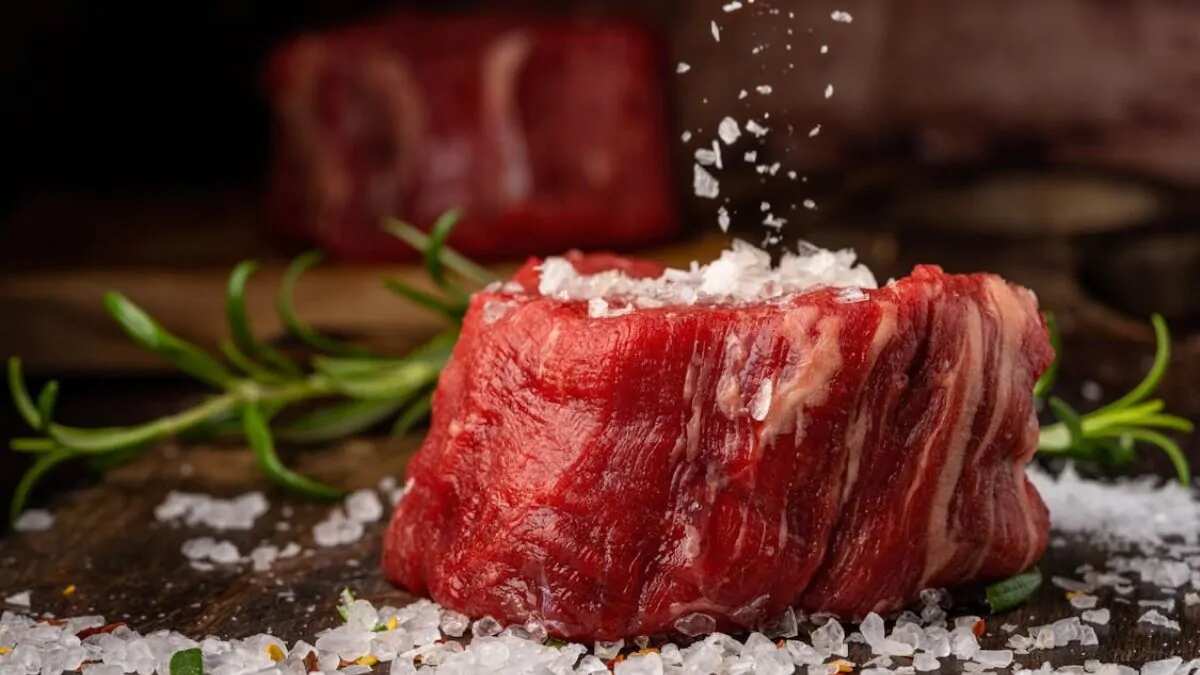
There is a reason why family members, especially your parents always included certain vegetables, fruits, and pluses in your meals in the winter but completely steered clear of them in the summer. When it's hot outside, the body needs a certain amount of cooling. What we eat plays an important role in keeping us healthy in the summer months. Skipping red meat during the summer months can have various advantages, especially when it comes to health, digestion, and the environment. Since getting the right amount of protein is also important for the body, choosing white meat like chicken, turkey, and fish over red meat is a smart decision during the summer. Not only is it easier to digest, but it also helps keep your body temperature cooler and reduces the chances of dehydration.
Image Credit: Pexels
“It is often said to non veg foods affects body during summer. As there is no much evidence to say no to non veg foods, it is advised to consume in less quantity as it may delay in the digestion due to less intake of fluids during summer. Avoid oily and high cholesterol foods during summer as it requires high energy to metabolize,” shares Dr. Padmini B.V, PhD, MS, CDE,HOD, Clinical Dietitian, Department of Nutrition and Dietetics, Apollo hospital, Sheshadripuram, Bengaluru.
Moreover, white meat provides steady energy levels, promotes a healthier heart, and can be used in a wide range of light and refreshing dishes. Indulging in white meat in moderation allows you to benefit from important nutrients without the heavy feeling that often accompanies red meat. Before indulging in red meat this season, consider this comprehensive list of reasons why red meat is best avoided in the summer.
Increases Body Heat & Lowers Digestion
Red meat is thermogenic. This means that it increases your body's heat while you digest it. So, if you're already feeling hot in the summer, consuming red meat might make you feel even hotter and more uncomfortable. On top of that, red meat takes longer to digest compared to other protein sources, which can add to your discomfort.
Lowers Energy Levels
The heaviness of red meat can cause you to feel sluggish and low on energy. In contrast, lighter food choices such as fruits, vegetables, and lean proteins can help you maintain higher energy levels and feel more lively throughout the day. “Considering the health consequences of children, elderly people and vulnerable people with pre-existing diabetes, cardiovascular disease and renal disease need to concentrate on very less consumption of red meat and any other sea foods as it can vary blood glucose level, cholesterol and fluid balance in the body,” Dr. Padmini B.V adds further.
Image Credit: Pexels
Increases Risk Of Heart Health & Cancer
According to a report by National Institutes Of Health, consumption of large quantities of red meat, especially processed types, can elevate the likelihood of heart disease and high cholesterol levels due to its high saturated fat and sodium levels, ability to trigger inflammation and oxidative stress (a harmful condition resulting from an imbalance between the production of free radicals and the body's antioxidant defenses) and negative impact on cholesterol levels.
Cause Of Foodborne Diseases
It's important to be cautious with red meat, especially if it's not cooked properly or stored incorrectly in warm temperatures. Bacteria like E. coli and Salmonella can thrive in these conditions. Make sure to cook the meat at the right temperature to avoid cross-contamination. These simple steps are crucial to preventing foodborne illnesses. Stay vigilant about food safety, especially in the summer.
Impacts The Environment
Beef production, along with other red meats, includes the raising of ruminant animals like cows. These animals produce methane as they digest their food. Methane is a powerful greenhouse gas that traps heat much more effectively than carbon dioxide. When we reduce the demand for these animals, it helps lower methane emissions and decreases overall greenhouse gases. By cutting back on red meat consumption, you can make a significant difference in reducing greenhouse gas emissions and conserving water.
Take advantage of the abundance of fresh, seasonal produce available during the summer months as a delicious and nutritious alternative to red meat. By incorporating more fruits, vegetables, and plant-based proteins into your diet, you can elevate your meals with a burst of flavours and colours. Stay hydrated and nourished with watermelon, cucumbers, strawberries, leafy greens, and lean proteins such as whole grains.
Lastly, Dr. Padmini B.V advises everyone to, “Consume more fruits and vegetables with water content which helps in maintaining body temperature and stabilizes the body metabolism. Foods which give a cooling effect and high water soluble vitamins are essential like tender coconut water, fruit juices like citrus fruits, berries, melons.” She also shares that dairy products like cold milk, Greek yoghurt, curds and buttermilk helps in good digestion. In vegetables, cucumber, carrots, tomatoes, gourd vegetables and mint leaves are good to consume.