When seasonal flu hits, choosing what to eat can feel like a task. A blocked nose, sore throat, fever, body aches, or nausea can all leave you with very little appetite, but your body still needs fluids and enough food to sustain recovery and support the medicines you are taking. The answer is not to force yourself to eat the whole meal, like you otherwise do when you're feeling perfectly okay. Rather, have smaller portions of meals that feel light and are not too oily or strongly spiced.
Think of foods that are warm, soft and easy to nibble, particularly when your throat aches or you feel like getting full too soon. The normal flu itself does not generally need a special dietary plan, unless advised by the doctor. Staying hydrated and maintaining food intake can help prevent dehydration and give you energy to recover much faster. Given below are the meal options that feel light when you are low on appetite and keep you feeling fuller for longer.
Moong Dal Khichdi
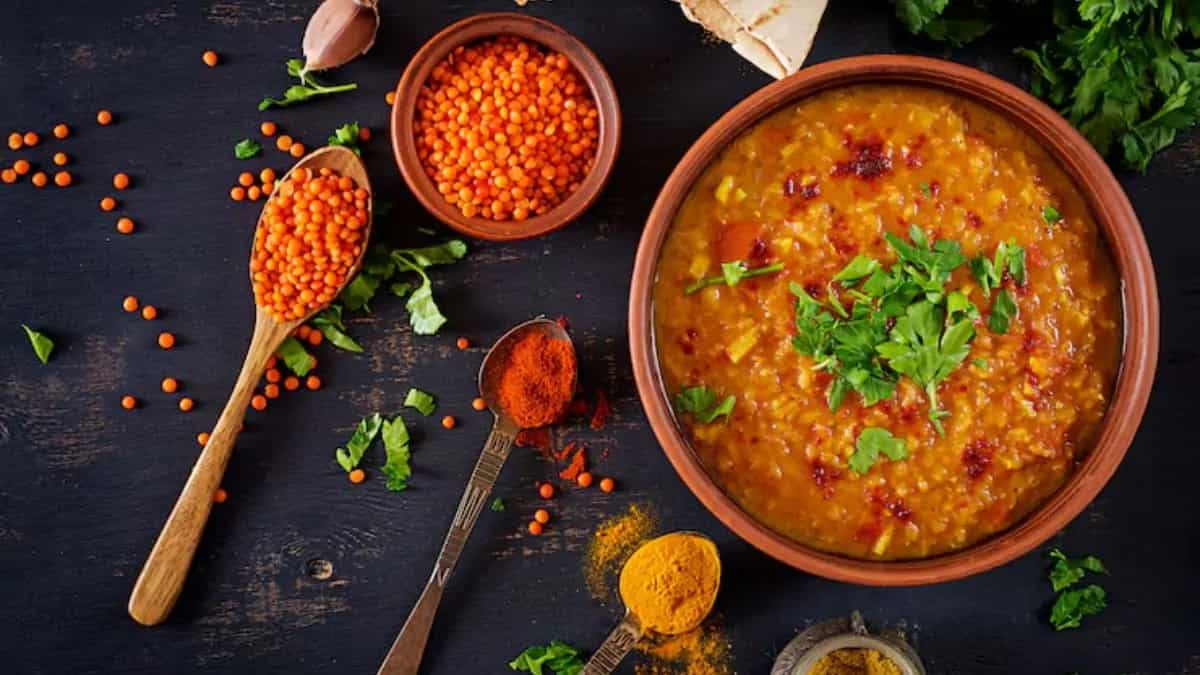
A bowl of hot moong dal khichdi is the best option when you are in no mood to eat anything, as it is light and supports the digestive system. Cook the rice and dal in a pressure cooker, the usual way, until they turn mushy, keeping the seasoning very mild, as it can aggravate your sore throat.
You can add a little ghee for the taste, but there is no need to make it too rich. In case you feel nauseous, have a few spoonfuls rather than trying to have a whole bowl. It also works well as a simple meal when you are too exhausted to cook anything.
(Image credit: Freepik)
Vegetable Soup
A warm bowl of clear vegetable soup is easy to sip and soothes the throat. For the soup, use vegetables like carrot, pumpkin, bottle gourd or spinach and cook them until they turn soft. Keep the soup lightly seasoned and avoid making it too spicy.
You can blend the soup thoroughly if you do not like to have vegetable pieces and can simply gulp it down. If you feel a bit hungry, add some soft noodles or a little shredded chicken if you eat non-veg. In this way, a simple bowl of soup will turn out to feel more filling without feeling like a heavy meal, and you get essential vitamins and nutrients from vegetables.
Daliya
Daliya is the most suitable option for days when you want to have something that can keep you full for longer, but should also not feel very heavy. Cook the broken wheat with water until it gets a soft, porridge-like texture, as it feels more soothing. Add finely chopped vegetables like carrots, beetroots, onion, peas or whatever you have, and a little salt. In this way, you also get the goodness of vegetables as well. If you want to have a sweeter version, cook it with milk and a little sugar or jaggery. Either way, it feels satisfying.
Keep the portion small and eat slowly. Its soft texture makes it more manageable when even swallowing something feels like a task. While the grain supplies carbohydrates for energy during a time when you may be eating less than normal.
Omelette
An omelette can work perfectly as a whole meal. Whisk one or two eggs and cook them gently with a little oil until just set, keeping them soft instead of browned or too crispy. Skip the use of chilli and heavy masalas for this one.
Rather, you can add finely chopped onions and tomatoes to add some taste and bite. Keep the vegetables finely chopped so they get cooked quickly. Pair the omelette with a slice of soft bread for an easy meal that gives you protein without feeling too heavy.
(Image credit: Freepik)
Chicken Clear Soup
A simple chicken clear soup can be beneficial when you want to have something savoury. Simmer boneless chicken with water, carrot, ginger and a pinch of salt until the meat turns soft, then shred it finely and add it again to the broth. Keep the soup clear rather than using cream, cornflour or any other heavy spices that you would normally use.
The broth also adds to the fluid, while the chicken gives the required protein, making it more filling. Sip a small portion of it slowly, and it feels pleasing when your palate has turned bland.