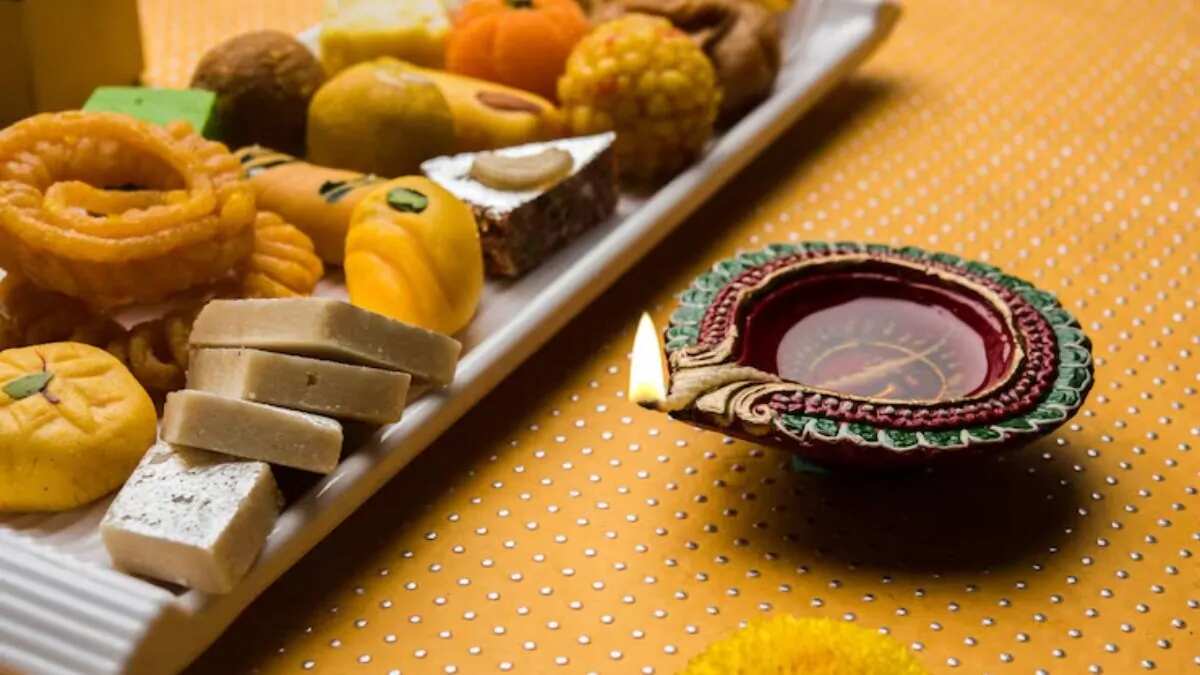
Diwali, the festival of lights, will be celebrated on October 20, 2025. On Diwali, people often perform a Lakshmi puja at their homes to seek the blessings and abundance of Maa Lakshmi. Offering bhog to Maa Lakshmi on this day that combines sweets, fruits, and other treats is an important part of the puja. It represents thankfulness and seeking positive energy in the household.
Each item in the bhog thali has its own importance. Every offering symbolises faith, chastity, and auspiciousness of the occasion. Picking up the right bhog items not only enhances the spiritual spirit but also promotes the festivity, allowing families to celebrate the festival of Diwali with both tradition and enjoyment while honouring the goddess with all the devotion.
Kheer
Kheer is a must-have bhog offering during Diwali to please Maa Lakshmi. Prepared with rice, milk, sugar, and flavoured up with cardamom, saffron, and dry fruits symbolise wealth, abundance, and the flow of sweetness in life. Offering kheer to Maa Lakshmi is considered to invite wealth and happiness in the household. The dish also represents the spirit and devotion of the festival, along with blending simplicity with auspiciousness. The rich aroma and festive display of kheer make it a must-have item in the Diwali puja thali.
Ladoos
Ladoos are classic traditional Diwali offerings that symbolise sweetness, joy, and new beginnings. Each variety, i.e. besan, motichoor, or coconut, has its own charm. Preparing these ladoos and offering them to Maa Lakshmi during Diwali represents devotion and the wish for a harmonious, prosperous and well-being of the household. They are easy to store and share with the neighbourhood, which makes them ideal for making in bulk ahead of the festival.
Halwa
Apart from just the sweet, many people also prepare sooji halwa for offering bhog to Maa Lakshmi. The preparation of halwa represents effort, devotion, and the sweet rewards of hard work, reflecting Maa Lakshmi’s blessings for wealth and prosperity. Offering halwa during Diwali is considered to attract positive energy and financial abundance. The beautiful colour, aroma, and texture make it a visually attractive dish in the bhog thali. Sharing halwa with family and loved ones supports the collective spirit of the festival.
Fruits
Fresh fruits such as bananas, pomegranates, apples, and other seasonal fruits are important for Diwali bhog as they symbolise purity, fertility, and abundance. Offering fruits to Maa Lakshmi shows gratitude for nature’s yield and enhances the spiritual energy of the puja. The freshness, colour, and nutritional value of the fruits complement the sweets, balancing the bhog.
Dry Fruits
Dry fruits are loved for their richness, health benefits, and are a symbol of prosperity. Offering dry fruits such as almonds, cashews, pistachios, and raisins to Maa Lakshmi is considered to invite prosperity, abundance, and good fortune. They are often used in bhog preparations such as kheer, halwa, or ladoos, improving taste and increasing the nutritional intake. Dry fruits also represent the festival’s spirit, as their golden hue goes with the goddess’s association with wealth. Including them in Diwali bhog blends devotion, tradition, and festive indulgence.
Coconut
Coconut is considered a sacred offering in Hindu rituals and is a symbol of purity, selflessness, and seeking the blessings of divinity. Offering a coconut to Maa Lakshmi represents the desire for spiritual and material prosperity. The presence of coconut in Diwali bhog is regarded as an auspicious symbol, fostering harmony and positive energy.