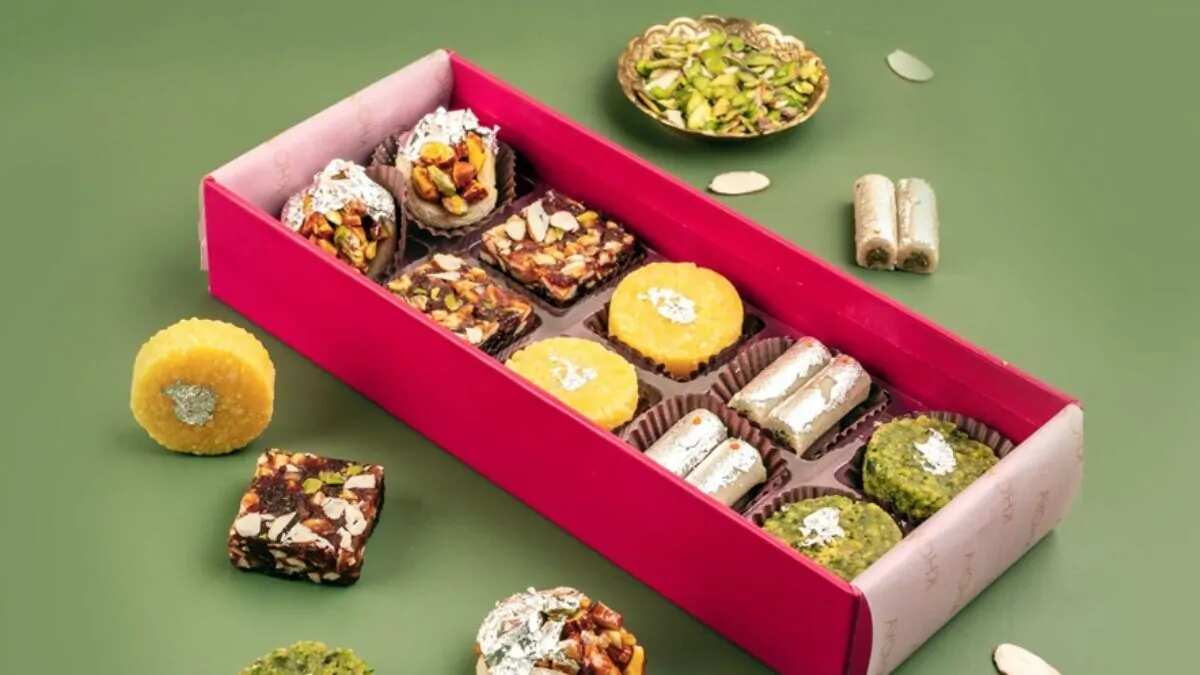
Each year, Diwali returns in its familiar glow of light, generosity, and flavour. Yet beneath that glitter, India’s idea of indulgence is quietly changing. The country that once marked celebration with silver-leaf laddoos, syrup-drenched jalebis, and ghee-laden savouries is learning to find pleasure in balance. The modern festive table no longer mirrors excess—it reflects intention. Across homes and hotel kitchens, a shift is underway: from mithai to masala, from heavy to wholesome, from habit to mindfulness.
A Cultural Shift On The Plate
The change has been driven as much by awareness as by appetite. As conversations around gut health, clean eating, and longevity gain ground, chefs and home cooks are re-examining long-held festive staples. Millets have begun to replace refined flour, jaggery has edged out processed sugar, and cold-pressed oils are returning to kitchens that once relied on vanaspati. Even sweets are evolving—besan laddoos made with A2-milk ghee, barfis fortified with protein, and confections infused with turmeric, matcha, or seeds.
“The shift isn’t about rejecting tradition; it’s about reinterpreting it,” says Akash Agrawalla, Co-founder, ZOFF Foods. “At ZOFF, we believe that celebrating India’s culinary heritage can coexist with mindful eating. Our cool-grinding process preserves the natural oils in spices, so every festive dish carries purity and flavour without losing nutritional integrity.”
Echoing this sentiment, Raj Hadvani, CEO of Gopal Snacks, observes, “As consumers become more conscious of what they eat, festive indulgence now includes both taste and health. People want the crunch of nostalgia—just baked, roasted, or less oily.”
Tradition Meets Physiology
Health consciousness, however, isn’t new to India—it’s returning home. Dr Naushad Ali Rana, Associate General Manager at Hamdard Wellness, notes that Unani principles have long emphasised harmony between enjoyment and well-being. “Celebration and balance can go together when we choose digestion-friendly herbs like ginger, cumin, fennel, and kalonji. These encourage the body to enjoy rich foods without strain.”
In restaurant kitchens, this philosophy is shaping menus. “We’re witnessing a gentle evolution of festive flavours where indulgence and intention meet halfway,” says Chef Nikhil Merchant, Executive Chef, Mementos by ITC Hotels, Ekaaya, Udaipur. “Wellness doesn’t mean restraint—it means honouring ingredients in their natural form.”
Purity as Practice
For wellness-driven brands, purity is not a trend but a return to fundamentals. Organic India describes its festive sweets made with jaggery, honey, and khandsari as “a reminder that well-being begins with what’s pure, shared, and made with care.”
Technology is reinforcing the same idea of thoughtful choice. “Indians aren’t giving up their favourite flavours—they’re just getting smarter about them,” says Avanish Agarwal, Founder, Nutriiya. “People read labels, monitor portions, and swap refined sugar for natural alternatives. It’s not guilt—it’s awareness.”
At Glen Appliances, this awareness takes a practical turn. “Modern appliances allow tradition to thrive with less compromise,” explains Rintu Das Gupta, COO. “Air fryers, convection ovens, and multipurpose kettles help home cooks prepare familiar dishes in lighter, nutrient-preserving ways.”
The New Rituals of Wellness
Beverages, too, are joining the movement. Dr Rupali Ambegaonkar, Business Head at Tea Culture of the World, notes, “People want festive indulgence that still aligns with their wellness goals. Herbal infusions and antioxidant-rich teas celebrate both nature and nostalgia.”
At scale, institutional kitchens are responding similarly. Rakesh Agarwal, COO – Business Food, Sodexo India, shares, “Our Diwali menus combine superfoods like millets and walnuts with traditional flavours. Dishes such as Jackfruit & Walnut Shawarma Rolls or Gulkand Cheesecake Bites show that balance can be delicious.”
Anisha Anand, Founder of Aurum Foods, sees this as more than a dietary shift. “The dialogue around Diwali has moved from counting calories to reclaiming balance. It’s about slow, meaningful meals and the pleasure of shared time. When you let go of excess, celebration shines brighter.”
Sweetness, Reimagined
For Sid Mathur, Founder of Khoya Mithai and Secret Ingredient, the evolution is evident in India’s most sentimental food—sweets. “Mithai still holds the heart of every occasion, but today’s consumer seeks creations that are conscious and refined. Our sugar-free collection—Pink Coconut Ladoo, slow-roasted Besan Ladoo, Mathura Peda—honours heritage while rethinking indulgence.”
Khoya’s new bars, naturally sweetened with Medjool dates and honey, show how craftsmanship can preserve nostalgia while aligning with modern wellness.
Mandeep Singh, MD of Arabian Delites, summarises the sentiment: “Indian cuisine has always balanced flavour and nourishment. Choosing baked over fried or preparing sweets in pure ghee allows celebration to feel lighter without losing its joy.”
A Season of Mindful Joy
This Diwali, flavour and health no longer compete—they collaborate. Across India’s kitchens, chefs, brands, and families are rediscovering that the heart of celebration lies not in abundance, but in awareness. The new sweetness is measured not by sugar or ghee, but by intention: a reminder that wellness, too, can be festive, and that balance may be the brightest light of all.