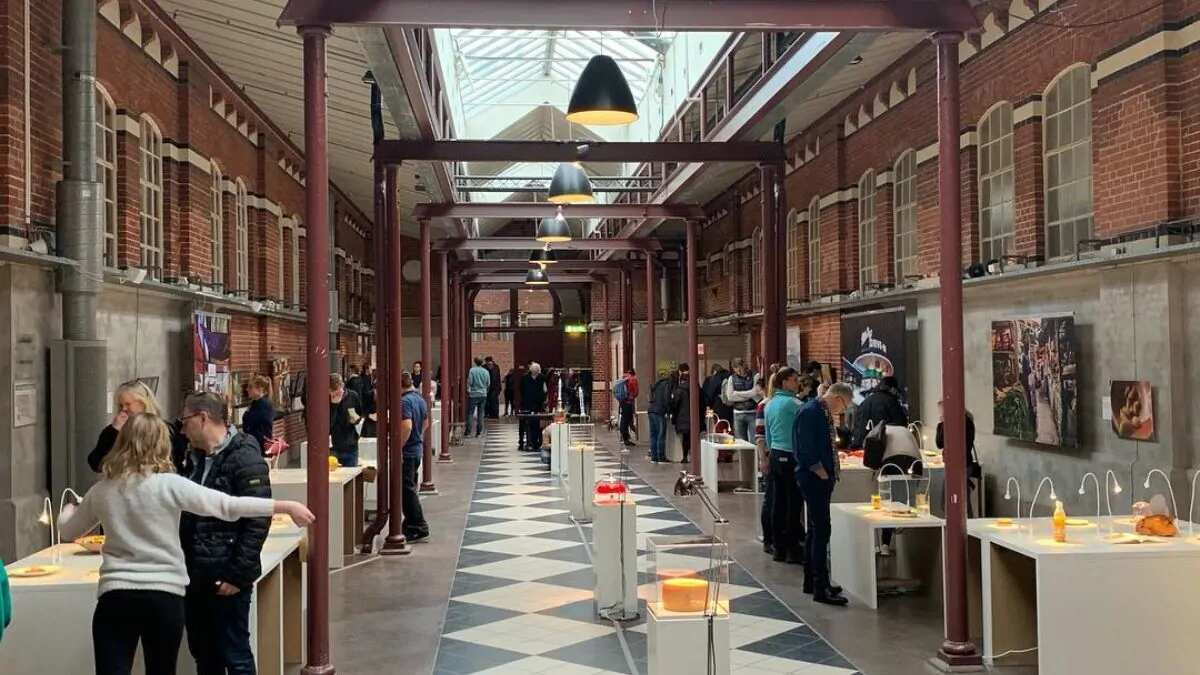
When weird food combinations or a hidden culinary delicacy become viral, everyone’s trying it out or posting about it. These range from anything and everything that your palate might like or not like at all. Sometimes, these dishes proudly find a place in a lot of homes that consume them daily, or a few restaurants offer them with their own spin. Nevertheless, if you don’t have the stomach for it, no matter how much you try, you’ll fail to keep it in. Now, you might wonder where the history and origin of such food items come from and if there’s a way to know more about them. Well, there is. It’s actually called the Disgusting Food Museum. It’s located in Södra Förstadsgatan, Malmö in Sweden.
Trigger Warning: The following images may contain material that some viewers could find distressing or uncomfortable. Viewer discretion is advised.
Image Credit: Disgusting Food Museum
Image Credit: Disgusting Food Museum
While most museums focus on visual culture, this little museum offers visitors a multimodal experience. The Disgusting Food Museum also defies your gastronomic preconceptions. The museum's concept is that no one should be too quick to stereotype different cultural cuisines as vile because your own food can be just as disgusting when looked through the prism of another culture. From poisonous dishes consumed voluntarily when properly prepared to food eaten to survive. And contaminated foods, some caused by illness, some by manufacturing companies' neglect, many of which resulted in illness and death.
Image Credit: Disgusting Food Museum
Image Credit: Disgusting Food Museum
Image Credit: Disgusting Food Museum
Another interesting dish, Su Callu Sardu, is a type of cheese made from young goat with a belly full of its mother's milk in Sardinia. To make the cheese, the stomach is then taken out and hung up. Other foods include pork, Jell-O fruit salad, black liquorice, and American root beer. However, you may believe that these are normal and not at all repulsive, many people from various nations find them to be disgusting. Foie gras, a French delicacy prepared from the liver of a duck or goose that has been force-fed a fatty diet through a feeding tube, has successfully turned off tourists.
Image Credit: Disgusting Food Museum
Image Credit: Wikimedia Commons
It also includes foods like the foul-smelling Durian from Thailand, the maggot-infested Casu Marzu cheese, roasted guinea pigs, sheep eyeball juice, fruit bats, fermented horse milk, mouse wine, bull penis, century-old eggs, and much more. The purpose of the entire museum is to educate visitors and maybe have them leave with new insights.
Address: Södra Förstadsgatan 2, 211 43 Malmö, Sweden
Timings: 11 AM - 6 PM
Price: INR 2,704 per ticket