The summer of 2026 has arrived with a dual challenge for households across India. Beyond the standard soaring temperatures that make the kitchen an unbearable place to stand, there is the pressing issue of energy security. The ongoing conflict between Iran and Israel has significantly disrupted shipping lanes in the Persian Gulf, leading to a noticeable gas shortage and a spike in LPG prices. Families are looking for ways to conserve fuel while keeping the body temperature low. Fortunately, human civilisation has spent centuries perfecting the art of the no cook meal. When we think of food that requires no heat, the mind often settles on a basic salad of chopped cucumbers and tomatoes. While refreshing, it rarely feels like a complete meal. However, across various continents, cultures have developed sophisticated techniques to prepare grains, proteins, and vegetables using nothing but acid, hydration, and time. These dishes offer a complex profile of flavour and texture that proves the stove is optional.
European Cold Soups: Liquid Hydration
In regions like Andalusia in Spain or the plains of Bulgaria, the midday sun is fierce. Their solution is the cold soup, a dish that acts as both a meal and a cooling tonic. These are far more substantial than a clear broth.
• Gazpacho from Spain: This is a masterclass in emulsion. It uses a base of very ripe tomatoes, bell peppers, and cucumbers. The secret to its creamy texture is the addition of stale bread soaked in water, which is blended with a generous amount of extra virgin olive oil and sherry vinegar. It provides essential fats, vitamins, and electrolytes.
Image credit: Pexels
• Tarator from Bulgaria: This is a yoghurt based soup that will feel very familiar to those who enjoy Indian raita. It consists of cold yoghurt whisked with water, finely diced cucumbers, crushed walnuts, garlic, and fresh dill. The walnuts provide a satisfying crunch and healthy fats that keep you full for hours.
• Salmorejo: A thicker cousin of Gazpacho, this dish from Cordoba omits the peppers and focuses on tomatoes and bread. It is often topped with hard boiled eggs and cured ham, but for a vegetarian version, one can use toasted nuts or seeds.
Latin American Acid Curing: Cooking Without Fire
One of the most fascinating techniques in the world of food is the use of citrus to transform raw protein. This process is known as denaturation, where the acid in the juice changes the structure of the protein just as heat would.
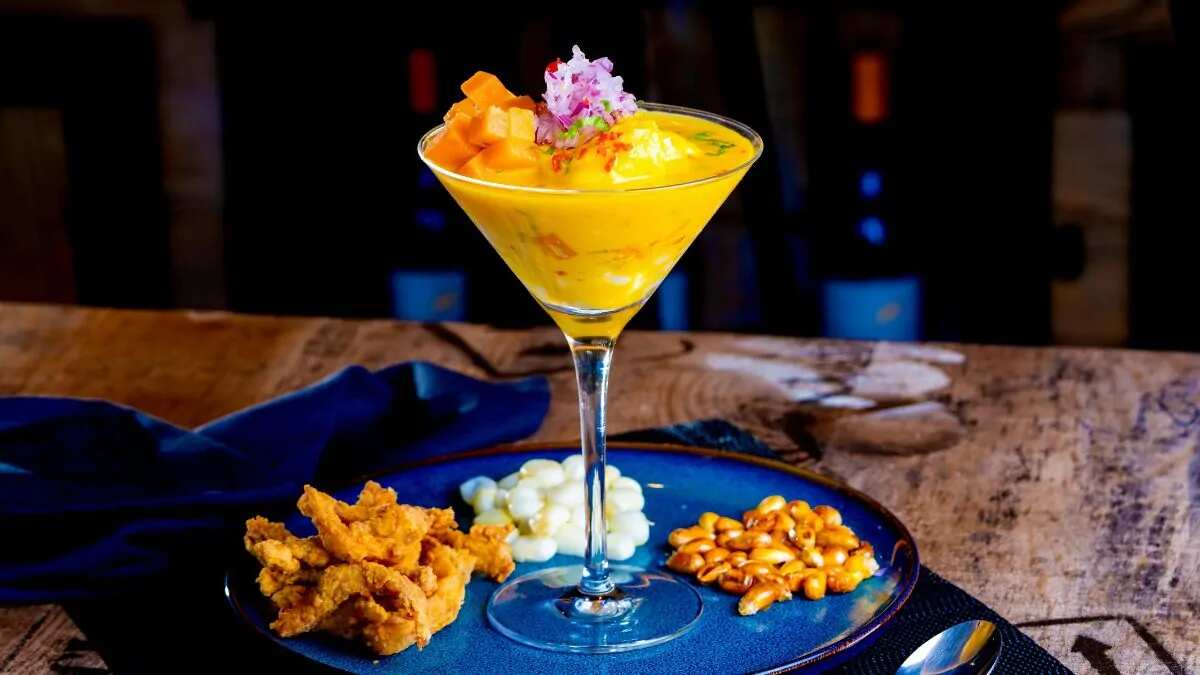
• Ceviche from Peru: Fresh white fish or prawns are marinated in lime juice, salt, and chillies. Within minutes, the fish turns opaque and firm. This is mixed with sliced red onions and coriander. It is a bright, zingy, and high protein meal that feels incredibly light.
• Aguachile from Mexico: Similar to ceviche but more liquid and spicy, this dish uses a blend of lime juice, green chillies, and coriander to cure prawns. It is traditionally served with slices of cucumber and avocado to provide a creamy contrast to the sharp acid.
• Tiradito: A Japanese influenced Peruvian dish where the fish is sliced like sashimi and covered in a spicy citrus sauce right before serving. It highlights the purity of the ingredients without needing a single spark of flame.
Image credit: Pexels
East Asian Simplicity: Tofu And Cold Broths
East Asian cuisine offers some of the most elegant solutions for a fuel shortage. By focusing on high quality soy products and pre prepared fermented items, one can assemble a feast in minutes.
• Hiyayakko from Japan: This dish celebrates silken tofu. A block of cold tofu is taken straight from the refrigerator and topped with various savoury ingredients. Common toppings include grated ginger, scallions, katsuobushi flakes, or a simple splash of soy sauce. It is a cooling protein powerhouse.
• Naengmyeon from Korea: While the noodles are typically boiled, many modern versions use pre cooked or quick soak varieties. The highlight is the broth, which is often partially frozen to a slushy consistency. It is flavoured with vinegar and mustard, providing a sharp kick that cuts through the humidity.
Image credit: Pexels
• Liangfen from China: These are cold starch jellies that have a refreshing, bouncy texture. They are typically tossed in a sauce made of chilli oil, vinegar, garlic, and crushed peanuts. The lack of heat in the food is balanced by the heat of the spice, which encourages sweating and natural cooling.
The Indian Heritage: Ancient Fuel Free Wisdom
India has its own rich history of no cook or low fuel meals that are particularly relevant during the current gas shortage. These dishes have been staples in rural households for centuries, designed to sustain workers in the fields under the blistering sun.
• Pakhala Bhata from Odisha: This involves taking cooked rice and soaking it in water overnight. The slight fermentation that occurs makes the rice easier to digest and provides a cooling effect on the stomach. It is typically served with curd, green chillies, ginger, and raw onions.
Image credit: Wikimedia Commons
• Sattu from Bihar and Uttar Pradesh: Sattu is flour made from roasted Bengal gram. Since it is already roasted during processing, it requires no further cooking. It can be mixed with cold water, lemon juice, black salt, and chopped mint to create a thick, protein dense drink or a savoury porridge. It is perhaps the ultimate survival food for a gas crisis.
• Curd Rice from South India: While the rice is cooked beforehand, the assembly is entirely cold. Mixing soft rice with fresh curd and topping it with raw grated carrots, pomegranate seeds, and ginger creates a meal that is probiotic and immensely cooling.
Strategic Pantry Assembly
To thrive without a stove, one must change the way the pantry is stocked. The goal is to move away from ingredients that require long simmering times and towards those that are ready to eat or can be hydrated.
• Canned Beans and Chickpeas: These are already cooked and only require rinsing. They can be turned into hummus, bean salads, or added to cold soups for protein.
• Couscous: Unlike most grains, couscous only needs to be soaked in room temperature water for a slightly longer period or in juice to soften. It serves as a great base for a Middle Eastern style Tabbouleh.
• Nut Butters and Seeds: These provide concentrated energy and healthy fats without any preparation. A cold noodle salad using almond butter or peanut butter as a base for the sauce is incredibly filling.
• Fermented Vegetables: Items like Kimchi, Sauerkraut, or Indian pickles add a punch of flavour and salt to plain ingredients, making a simple meal feel like a gourmet experience.
Image credit: Pexels
Practical Tips For A No-Gas Kitchen
Working in a kitchen during a fuel shortage requires a change in mindset. Focus on using mechanical tools rather than thermal ones.
• The Power of the Blender: A good blender can turn raw vegetables into a smooth soup or a creamy dip in seconds. It is the most important tool for a no cook chef.
• Mortar and Pestle: Use this to crush aromatics like garlic, ginger, and herbs. The mechanical action releases oils more effectively than chopping, providing a deeper flavour to raw dishes.
• The Fridge as a Tool: Use the refrigerator not just for storage but for preparation. Many dishes, like overnight oats or chia puddings, rely on the cold environment to set and develop texture.
The current geopolitical climate and the rising temperatures are reminders that our traditional ways of cooking might not always be the most efficient. By looking at how a Bulgarian farmer or a Peruvian fisherman eats, we find ways to stay nourished and satisfied without ever needing a gas connection. These dishes are a celebration of freshness, chemistry, and the resilience of human culinary creativity.