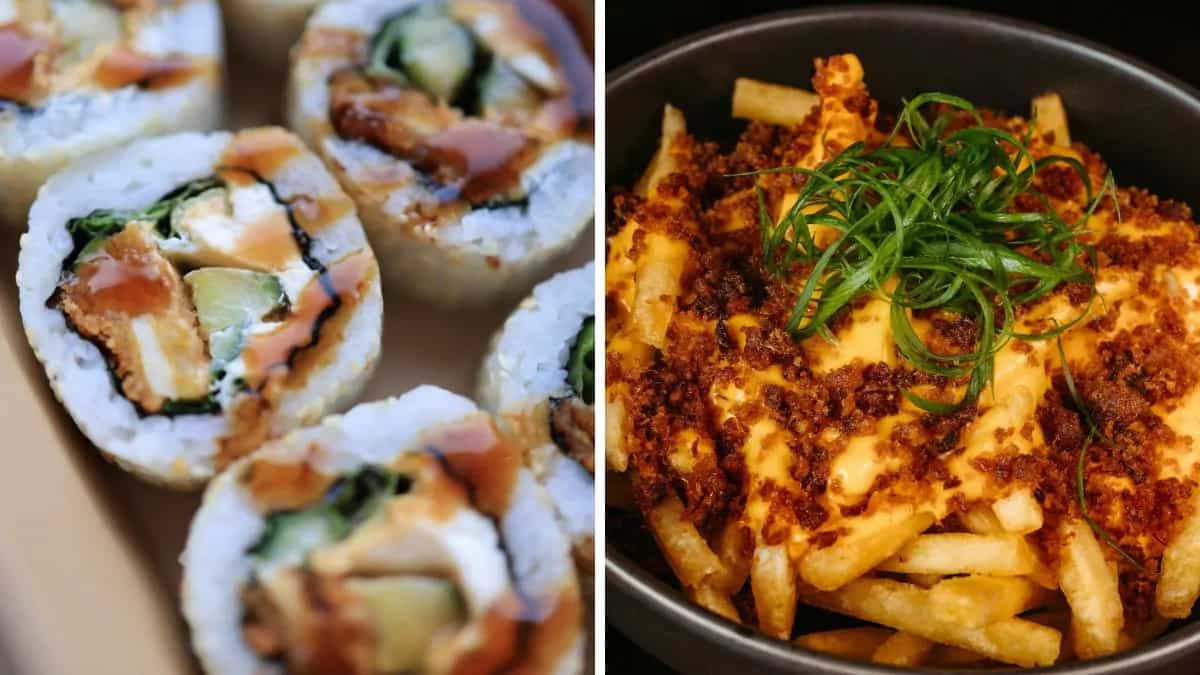
When it comes to food preparation—taste is focused upon as much as presentation. Once a morsel has been consumed, the flavour lingers on the palate for a few seconds before it’s time to follow it up with another. However, what really enables food to really make an impact other than the contrast of profiles, is texture. Based on the kind of preparation, textures can either complement or contrast with the key preparation to elevate its experience for the eater. Think macaroni and cheese with a crisp, burnished crust or gooey cheese sandwiched between two slices of toasted bread—texture defines taste, and sometimes even precedes it. In order to develop a deeper understanding of how simple tweaks really help elevate basic preparations, a flourish of something which juxtaposes or highlights the mouthfeel of the combination of ingredients, can dictate how a plate is distinguished.
Why Textures Work
Image Credits: Pexels
As far as oral textures are concerned, the brain perceives them in a similar way as it does taste. Imagine taking a bite of a crunchy onion ring where its crisp shell is what registers before the sweet-savoury flavour of the snack sets in on the palate. The memory sense which shapes our understanding of what we’re eating plays a crucial role in contributing to the flavours of food as much as one would credit the use of seasoning and aromatics. To most, the sensory experience of chewiness, crunch, creaminess and softness also direct eating habits and food choices. What we predominantly identify as the ‘taste’ of something also includes its flavour, texture, temperature and smell.
Contrast Vs Echo Rules
To frame how a dish must be presented for eating, it is important to understand the two fundamentals that are most often followed in everyday meals. Serving a comforting bowl of dal khichdi that has creamy, soft textures with a crunchy papad provides welcome contrast between the warm temperature of the main preparation and its accompaniment which not only acts as a flavour enhancer but also offers opposing bites. Similarly, serving a slice of soft cake with a dollop of whipped cream or buttery frosting helps lubricate the otherwise ‘dry’ sponge into a palatable and indulgent dessert—boosting its sweetness as well as mellowing any dominant flavours.
Light & Heavy Textures
Image Credits: Unsplash
One of the most common but underrated food practices is what we commonly know as balancing the palate or creating ‘flavour contrast’—when in reality, the distinction lies in creating a balance between textures that are light and heavy. A meaty burger patty topped with melted cheese receives its textural contrast from the crunch of lettuce, which is in essence a lighter crunch than the crust that develops from the caramelisation of meat on a hot grill. Similarly, topping a dressing-heavy Caesar salad with crunchy croutons cuts through the monotony of the soft crunch of the salad leaves and tender chew from the protein—thus bringing a welcome medley of crispness that is varied yet complementary.
Moisture Interaction
Image Credits: Unsplash
For a wet and dry texture pairing to work successfully, the key is in ensuring that the dry element at no point transforms into a soggy one as a result of absorbing excessive moisture. Think of croutons being added to a bowl of soup—where the crunch punctuates the warm temperature and thick or runny sip of the savoury preparation with crunch. Adding salt too soon to cucumbers which must be used as a topping on toasted bread causes them to release their moisture, thus making the sandwich softer and the technique of toasting redundant to a significant extent. However, adding a barrier like mayonnaise or butter helps act as a wall between the designated dry and wet elements, helping maintain the integrity of each bite from beginning to end.
Texture To Eating Context
Image Credits: Unsplash
Based on the kind of food being cooked and the purpose for which it is being prepared, textures must be adjusted to suit a setting—whether personal or social. When serving bite-sized portions of finger food at a party, the textural integrity of dishes must work towards being firm, having a balanced wet-to-dry ratio as well as with a desirable mix of soft to crunch as well as complementing textures. Similarly, dips or sauces served with chips, crudites or even steak must be scoopable or spoonable over the key preparation, without being too runny or diluted. Texture also plays an important role in deciding what kind of utensil food must be served in, with walled vessels being reserved for food that have a semi-solid or liquid texture and plates or platters being reserved for solid, controllable textures.