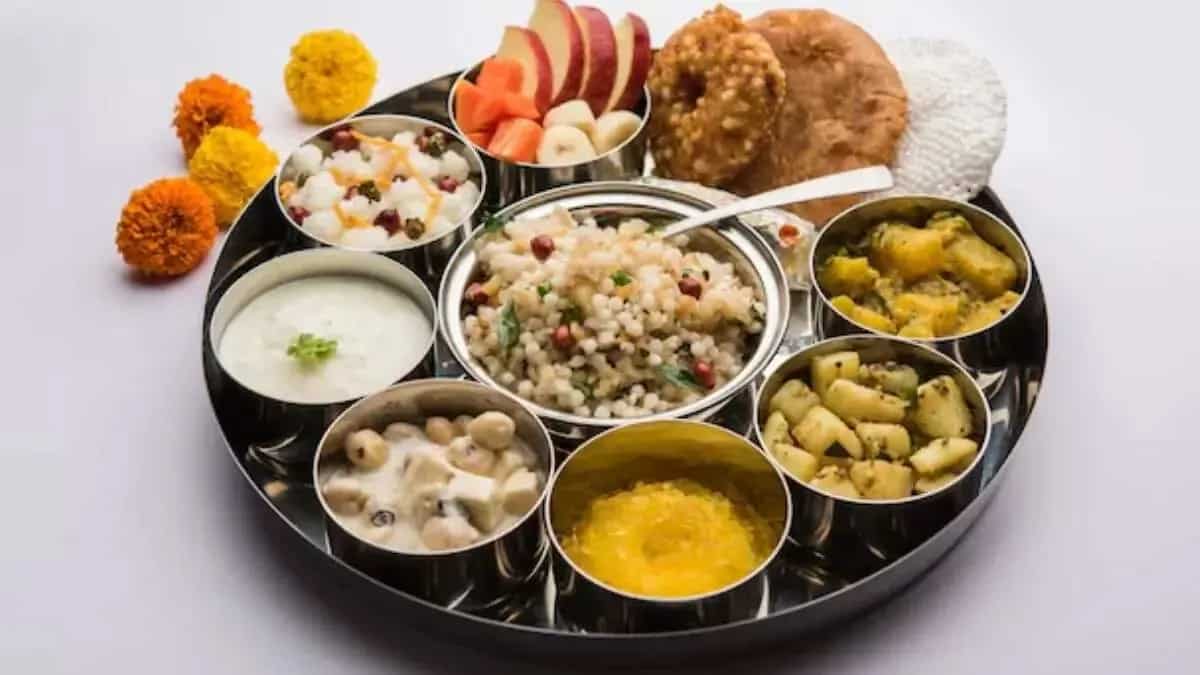
As per the Hindu calendar, Chaitra Navratri marks the beginning of the lunar year in many regions of India. Celebrated in full spirits and fervour, Navratri, aka the nine-day festival, is dedicated towards worshipping Goddess Durga and her nine avatars. During the nine days, many devotees observe a fast, abstaining from certain grains, salt, and ingredients like onion, ginger, and garlic.
Focusing on cleansing the mind and the body, those who don’t fast also avoid eating non-vegetarian food and alcohol during the Navratri. To know more about the exact date and time of the start of the festival, its significance, and some traditional dishes you can savour while fasting, scroll through the article.
Chaitra Navratri 2026: Date And Shubh Muhurat
In 2026, Chaitra Navratri begins on the 19th of March. The shubh muhurat for puja is from 6:52 AM to 10:10 AM. The nine-day festival concludes on the 27th of March, a Friday. The fasting period is usually the first seven days of Navratri, which are then followed by Ashtami and Ram Navami, the eighth and ninth days, respectively.
Significance Of Chaitra Navratri
Navratri holds a deep cultural significance in the Hindu traditions. As per the mythologies, Navratri signifies the triumph of good over evil and is celebrated to worship Goddess Durga, who killed Mahishasur. Each day of Navratri honours a different manifestation of Goddess Durga:
- Day 1: 19th March, 2026 - Maa Shailputri
- Day 2: 20th March, 2026 - Maa Brahmacharini
- Day 3: 21st March, 2026 - Maa Chandraghanta
- Day 4: 22nd March, 2026 - Maa Kushmanda
- Day 5: 23rd March, 2026 - Maa Skandamata
- Day 6: 24th March, 2026 - Maa Katyayani
- Day 7: 25th March, 2026 - Maa Kalaratri
- Day 8: 26th March, 2026 - Maa Mahagauri
- Day 9: 27th March, 2026 - Maa Siddhidatri
Traditional Vrat-Friendly Dishes For Navratri
Sabudana Tikki
Image Credits: Freepik
Sabudana tikki or vada is one of the most popularly made breakfast or snacks during Navratri. Made with boiled potatoes, soaked sabudana, and a little rock salt, the mixture is shaped into patties. Based on your preference, you can deep-fry, air-fry, or shallow fry the tikkis and serve them with imli and mint chutney.
Kuttu Puri
Since the commonly used grains like wheat and rice are abstained from eating while fasting, kuttu ka atta, or buckwheat millet, is used to make puris and rotis. Just how would knead the dough and making wheat-based puris, the same process can be followed to make kuttu puris. They are popularly paired with aloo or paneer ki sabzi made without using salt.
Dahi Aloo
For a lighter meal or a quick evening snack, you can make dahi aloo. All you need to do is boil some potatoes and cook them in curd-based gravy. You can season it with sendha namak and eat as is, or pair it with a kuttu ki roti or samak ke chawal.
Sabudana Khichdi
Sabudana Khichdi is another popular fasting dish made during Navratri. Made with soaked sabudana, roasted peanuts and your go-to spices, it is a light and nutritious option to have during your fast. Have it for breakfast, and you’ll be full till lunch without feeling hungry.
Makhana Kheer
Image Credits: Freepik
As for something sweet, you can make kheer. To make it vrat-friendly, you can swap the rice with makhana. The soaked makhanas are cooked in milk till they soften, and the kheer is thick. With the addition of a generous amount of nuts, you get a scrumptious fast-friendly dessert.