For years, the calcium intake has been linked with milk, but that's not the whole story, you know. Many people at present are either lactose-intolerant, tend to avoid dairy, or simply don’t get enough from it alone. This is where you need to broaden your vision and look beyond the obvious milk options. From seeds you sprinkle on your regular breakfast to grains that you already have in your kitchen, or the vegetables you already eat, there are multiple ways to increase your calcium intake without solely depending on milk.
The idea is not to add a “superfood,” but to make small habits across meals. A handful of nuts for breakfast, a bowl of greens for lunch is sufficient. What counts more is the consistency. Also, absorption plays a key role. Once you start looking beyond just the glass of milk, you will know how naturally you can increase the calcium intake in your everyday meals.
How Much Calcium Do You Actually Need Daily?
Most adults need around 1,000 mg of calcium per day, with slightly higher needs as age increases. But here’s what often gets overlooked: calcium intake is not just about quantity, but it is also about how well it is absorbed.
This does not mean plant foods are not useful; it simply means you need to have a variety. Eating other calcium-rich foods throughout the day will help your body meet its requirements more easily. Small, regular consumption often works better than trying to have everything in one go.
How To Get Calcium Apart From Just Milk
Listed below are some of the options that can increase your calcium intake in day-to-day meals:
Sesame Seeds
Sesame seeds are one of the richest sources of plant-based calcium intake, which makes them easy to add to your food without altering your meals too much. They have a light, nutty taste that mixes well with Indian cooking. Instead of using them for garnishing, use them more purposefully, like adding to chutneys, sprinkling over sabzis, or mixing them into everyday atta for rotis. Even a tablespoon of it on a daily basis can contribute meaningfully. Seasame seeds are small but full of nutrients, making it easy to increase calcium intake without thinking about it much.
(Image credits: Freepik)
Ragi
Ragi, or finger millet, is often underestimated despite being one of the most suitable calcium-rich grains, and it does more than just fill you up. It is particularly suitable in Indian diets because it’s already familiar and can be used in various forms. You can use ragi flour to make rotis, dosa, porridge, or even the simplest pancakes or cheelas. Unlike other refined grains, it has both fibre and minerals, making meals more nutritious. What makes ragi useful is that it does not feel like a “health add-on”, but fits naturally into everyday cooking. In case you are thinking of starting to start using ragi as one of your meals in place of grains, it is actually a good idea.
Almonds
Almonds are generally known to be eaten for general overall health benefits, but they are also a constant source of calcium, along with healthy fats. Instead of just eating them randomly, soak a few overnight and consume them in the morning for the best results. Apart from this, you can also blend them into smoothies, add them to breakfast bowls, or simply mix them into desserts. While they won’t fulfil your full calcium requirements alone, including them every day adds up, particularly when mixed with other sources.
Leafy Greens
Not all greens work the same way when it comes to calcium intake. Some, like spinach, have compounds that lessen absorption, while others, like kale, broccoli, and similar greens, are more useful. Instead of sticking to just one leafy vegetable, alternate between options like methi, sarson, and cabbage. Cook them lightly rather than just overcooking to retain the nutrients. You can also add them to dals, sabzis, or even the parathas. Over time, these small add-ons will make a noticeable difference, particularly when you eat them regularly.
(Image credits: Freepik)
Tofu
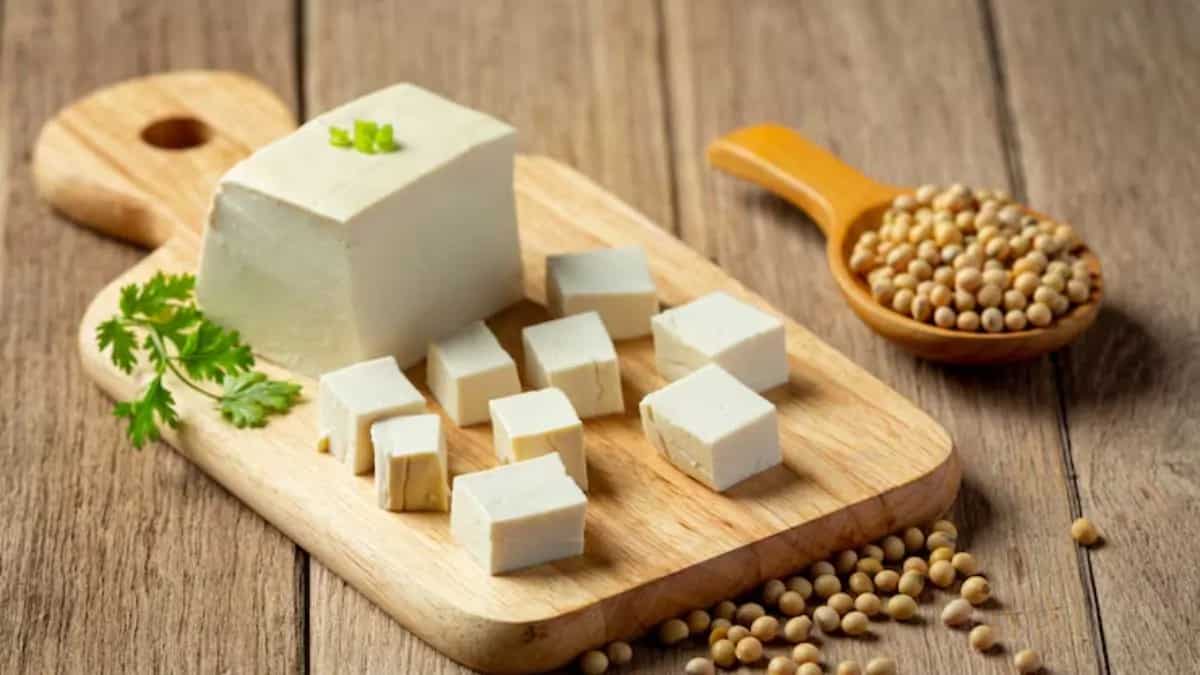
Tofu, particularly prepared with calcium salts, is a significant source of calcium. It works well as an alternative for paneer in many dishes, like stir-fries, curries, or even for grilled snacks. Its texture absorbs the flavours effortlessly, making it suitable for Indian spices. For those who tend to avoid dairy, tofu is one of the most useful additions because it incorporates protein with calcium.
Chana And Beans
Legumes such as chana, rajma, and white beans are already an everyday part of Indian meals, which makes them effortless contributors to calcium intake. They’re not as dense as seeds, but their power lies in the fact that if you eat them often. Whether it is a simple chana chaat or the favourite rajma curry, these dishes don’t just provide protein, but they quietly support your everyday calcium needs when eaten regularly.