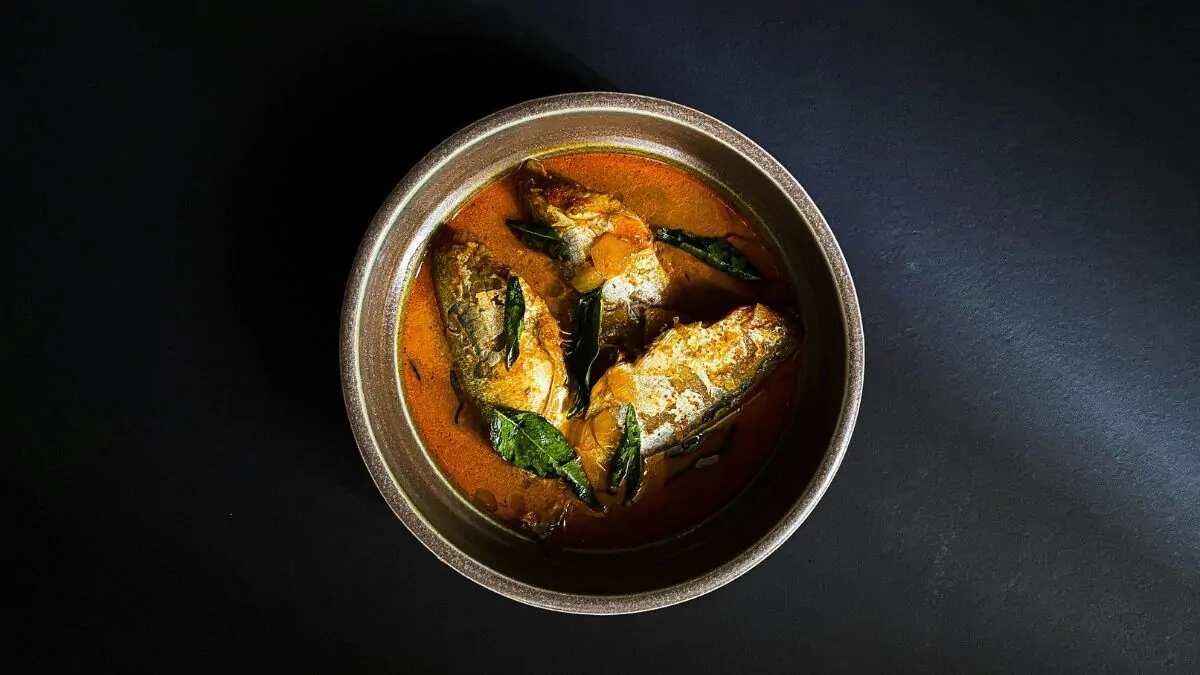
Considered to be a blend of South Indian and Portuguese influences, Mangalorean Catholic cuisine has a clear division between vegetarian and non-vegetarian preparations—simultaneously overlapping in elements with Goan cuisine. A resultant born out of the migration of Goan Catholics to South Canara and some retaining Konkani influences in their lifestyle, traditional food of the community also adapted ingredients and flavours that were native to the region. Hence, the use of coconut and curry leaves merged with the liberal usage of ginger, garlic and chillies while traditional preparations of the land were adapted and given new life in variations which preserved their essence. Like most regional cuisines, one of the stand-out factors about the community’s food is its effective use of spices—in both dry and wet forms. Much like Goan or Maharashtrian masalas which lend a characteristic flavour to local delicacies, Mangalorean Catholic masalas are interesting due to amalgamating borrowed influences and giving them a unique identity.
Bafat Masala
Image Credits: BON Masala & Food Products
Like the name suggests, the bafat masala forms the foundation of the most popular offering of pork bafat—made using a combination of dried Byadgi and Kashmiri chillies, cumin and coriander seeds, cloves, cinnamon, mustard, turmeric and peppercorns. In most cases, while the whole spices are dry roasted, ground and preserved for shelf stability, homes also make a wet version which combines this blend along with onions, poppy seeds and tamarind. While some preparations season the pork with the dry blend before adding in the aromatics and flavouring agents, others prefer to simply use the wet blend to marinate and eventually cook the meat in. In addition to this, the wet blend can also be enriched with fresh grated coconut or coconut milk to cook mutton, eggs or gourds in a fiery red gravy.
Meet-Mirsang
The name of the masala—which translates to ‘salt-chilli’—is a spicy paste made using a mix of dried red chillies, cumin, salt and vinegar. Traditionally made using a stone-grinder, the meet-mirsang is in essence, the Mangalorean Catholic equivalent of a bottle masala that is most often used in seafood preparations like the masliche kodi (fish curry) or the bazule masli (fried fish)—on fishes like the bangude (mackerel) or pomplet (pomfret). The addition of vinegar to the simple blend of ingredients is intended to extend its longevity, thus helping preserve flavour while also adding an acidity which balances the flavours of seafood perfectly. Older versions, preceding the luxury of refrigeration, meant that the meet-mirsang was made using wine vinegars or a solution of diluted acetic acid for when the mitsef (meat safe) was the only avenue for storage.
Thel-Piayo
Thel-piyao—which translates to ‘oil and onions’, is a simple seasoning that is primarily used to flavour vegetables such as beans, pumpkin, okra, carrots, capsicum and gourds. Considered to be less of a seasoning or blend and more of a preparation style, the thel-piyao is a great way to spotlight the key ingredient of a preparation—which also extends to clams and other delicate seafood varieties. Typically, the preparation can be dry, as opposed to one with a gravy, applying the one-size-fits-all ideology to preparations that didn’t require much effort. For dishes that required no more than delicate flavours, the thel-piyao was also modified with tomatoes to bring a slight sourness to brothy chicken soups or stir fried prawns.
Also Read:
Shirko Shindaap
Given the seafood heavy heritage of the cuisine, the shirko shindaap is predominantly used as a masala blend to season fish—pomfret, mackerel and ladyfish—and at times chicken curries, where kokum replaces vinegar for tang. Translating to ‘vinegar and chopped ingredients’, the shindaap uses onions or shallots ground with ginger, garlic and green chillies. Along with this, there are dry spices like roasted red chillies, coriander seeds and peppercorns added to fortify the flavour of the paste which is cooked with water before the fish can be cooked in the gravy. Given its sharp acidity, the paste is also ideal to cook fatty fish varieties like tuna.
Jeeve Alen
Image Credits: Wikimedia Commons
Unlike most other native blends, what makes the jeeve alen unique is that the ingredients included in it are in their raw form. Typically used in its function for pickling mangoes, hogplums or bimblis, the idea is to create an instant pickle—another common feature of South Indian cuisines—that can be served with meals. Red chillies are ground with cumin, garlic, coriander and pickling spices before being combined with vinegar—putting flavour first and preservation second. Similarly, taking its versatility up a notch, the addition of fresh grated coconut enables it to become a base for poultry, red meat and vegetables, where it is enhanced with the addition of mustard seeds, onions and ghee.
Jeera-Meeri
The core ingredients of cumin and pepper, which the community shares in common with the Konkani jeerem meerem, is typically used as additional seasoning with dry chillies, onions, garlic and tamarind to make curries of mullet, salmon, pomfret and ladyfish—sometimes with the addition of potatoes to bulk up the preparation. Further improved upon, the jeera-meeri can be aromatised with poppy seeds, cloves and cinnamon to make a blend that is used to flavour chicken curries within the cuisine; the exclusion of poppy seeds and increase in garlic, along with powdered pepper also makes for an excellent permutation to season meat curries relished with rice and steamed rice balls (unde).