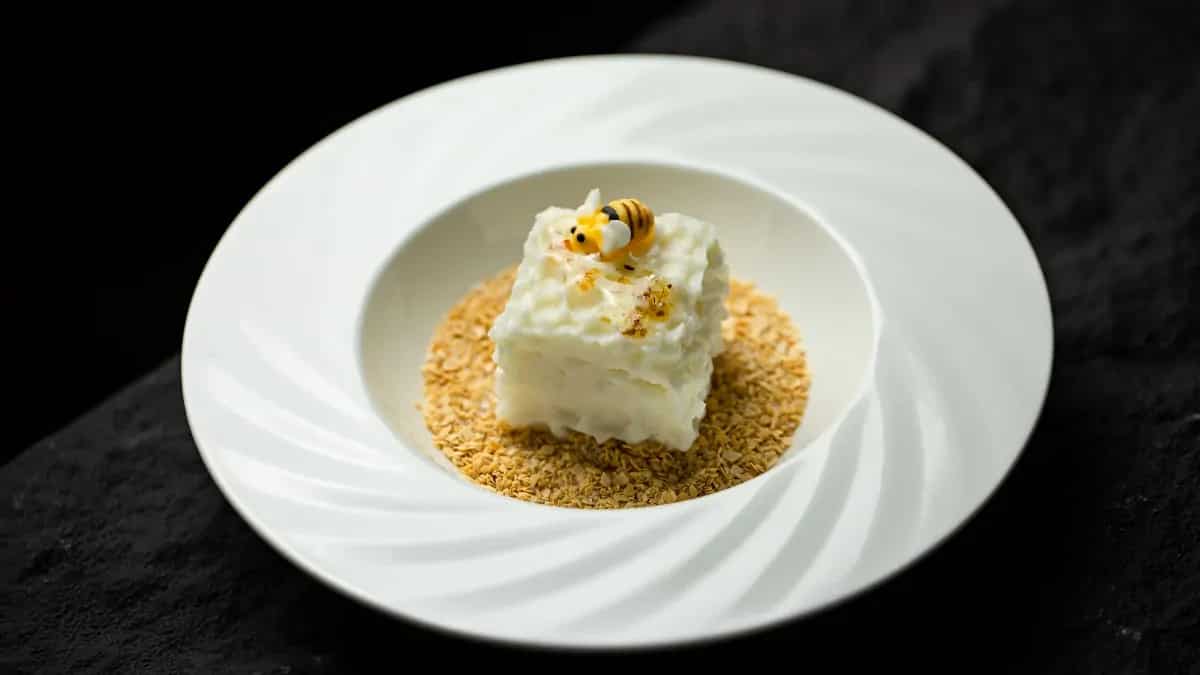
When you visit a fine dining restaurant, you will encounter an intriguing tradition. Before the first course arrives, there is often a tiny, beautifully presented bite placed on elegant tableware for you. It is not something you ordered, nor is it counted as one of the official courses. Yet, it quietly sets the tone for everything that is to follow as well as the ambience for the night. This classy culinary gesture is known as the amuse-bouche, a French tradition that has become an integral part of contemporary fine dining across the globe.
Although it is rooted in classical French gastronomy, the concept has travelled far beyond the borders of Europe. Today, chefs in Japan, Peru, Mexico, Australia, India and elsewhere have all reimagined the amuse-bouche using local ingredients, seasonal flavours, regional techniques, and cultural storytelling. In recent years, Indian restaurants have also begun embracing this culinary tradition, replacing imported flavours with farm-to-table and seasonal ingredients that will immediately evoke familiar memories with a single bite.
What Exactly Is An Amuse-Bouche?
The term amuse-bouche comes from French, literally meaning ‘mouth amuser’. Unlike an appetiser, which is a part of the menu and is personally picked by diners, an amuse-bouche is complimentary and selected by the chef himself or herself. Its purpose is to awaken your palate, introduce diners to the restaurant's culinary goals and style while creating anticipation for the entire meal ahead.
Image credit: Unsplash
The concept gained prominence during the Nouvelle Cuisine movement in France in the 1960s and 1970s. Chefs began moving away from rich, oversized dishes towards lighter, ingredient-focused cooking with refined presentation. The amuse-bouche became a creative canvas where chefs could showcase their expertise, techniques, seasonal produce, and imagination in just one or two bites. Massive flavours compressed into a single mouthful. And today, Michelin-starred restaurants and modern tasting-menu establishments all over the world continue this tradition. Some chefs even change their amuse-bouche daily according to seasonal ingredients, local produce, and creative inclination.
Despite its minuscule size, an amuse-bouche requires considerable effort and thought. Every element on the plate serves a purpose. Texture, aroma, acidity, temperature, and seasonings all are balanced carefully to ensure that the bite refreshes the palate instead of overwhelming it. A good amuse-bouche should leave diners intrigued and eager for the next course rather than satiated and satisfied. It also provides chefs the perfect opportunity to express their personality, culinary preferences, and aesthetic notions. Some choose playful presentations, while others highlight underrated ingredients or rediscover traditional recipes through contemporary techniques. This allows the chefs greater creative freedom than almost any other part of the menu.
How The Tradition Spread Around The World
Image credit: Unsplash
As the international fine dining scene evolved, chefs began adapting the amuse-bouche according to their own culinary heritage. For example, many Japanese restaurants started presenting delicate seasonal seafood, tofu, or vegetable preparations inspired by their own philosophy of kaiseki. A lot of Scandinavian chefs began highlighting local herbs, smoked fish, and fermented vegetables to showcase their cultural flavours. Several Latin American restaurants introduced citrus-marinated seafood, tropical fruits, or vibrant herb-based sauces. Rather than copying French cuisine, these chefs embraced the underlying idea and utilised their own existing epicurean traditions: offer one memorable bite that represents the restaurant's cultural and culinary identity. India has followed the same path as well.
The Indian Interpretation Of Amuse-Bouche
Indian cuisine has never lacked bold and fresh flavours. Here, street food, festive snacks, and regional appetisers already celebrate robust taste and local ingredients in compact portions. The challenge for modern Indian chefs has been translating these familiar tastes into refined, elegant presentations that are suitable for professional tasting menus. Instead of relying mainly on imported ingredients, nowadays many chefs have taken inspiration from India’s remarkable diversity and adaptability. A single bite may feature kokum from the Konkan coast, pure, zingy mustard from Bengal, Himalayan herbs, and Kashmiri apples in a single bite. The flavours do not fight for prominence but work harmoniously to deliver a unique and appealing taste that enlivens your appetite.
Also read: Why the kofta is a fine-dining favourite
Creative Desi Amuse-Bouche Ideas
While amuse-bouches sound fancy, there is no such compulsion that only chefs and fancy kitchen owners can attempt making them at home. The key to making good ones lies in picking the right flavours and using comfortable, homely methods for a memorable culinary output.
Watermelon, Feta And Basil Chaat
Image credit: Pexels
This Indo-Mediterranean creation combines chilled watermelon cubes with small pieces of salty feta, fresh basil, crushed black pepper, and a light drizzle of honey. A pinch of roasted cumin powder and flaky sea salt ties the flavours together, creating a cooling, balanced bite that works especially well for summer as well as monsoon tasting menus. Serve it in a miniature glass for visual appeal and portion control.
Sweet Corn And Curry Leaf Velouté Shot
Image credit: Pexels
Served warm in miniature cups, this silky soup combines fresh sweet corn with vegetable stock, before being blended until perfectly smooth. Tempered curry leaves, mustard seeds, and a hint of black pepper introduce unmistakable Indian aromas and flavours without overpowering the delicate sweetness of the corn. A tiny parmesan crisp or roasted makhana garnish adds a welcome accompanying crunch.
Raw Mango And Avocado Spoon
Image credit: Pexels
This colourful and zesty amuse-bouche celebrates the sharpness of raw mango with the creamy richness of avocado. The diced fruits are then gently mixed with coriander, green chilli, lime juice, and toasted sesame seeds for an umami crunch. Finally, serve on elegant porcelain spoons. The contrasting textures and flavours immediately awaken the palate without overwhelming it.
Tender Coconut And Cucumber Granita
Image credit: Pexels
Inspired by India's breezy, tropical coastline, this palate cleanser is exceptionally refreshing between courses. Fresh tender coconut water is blended with cucumber juice, lime zest, and a handful of mint before being frozen. It is then scraped into delicate crystals and served in chilled spoons or miniature glasses. This amuse-bouche offers a subtle sweetness which is balanced by gentle citrus and minty notes, making it particularly ideal for warm weather.