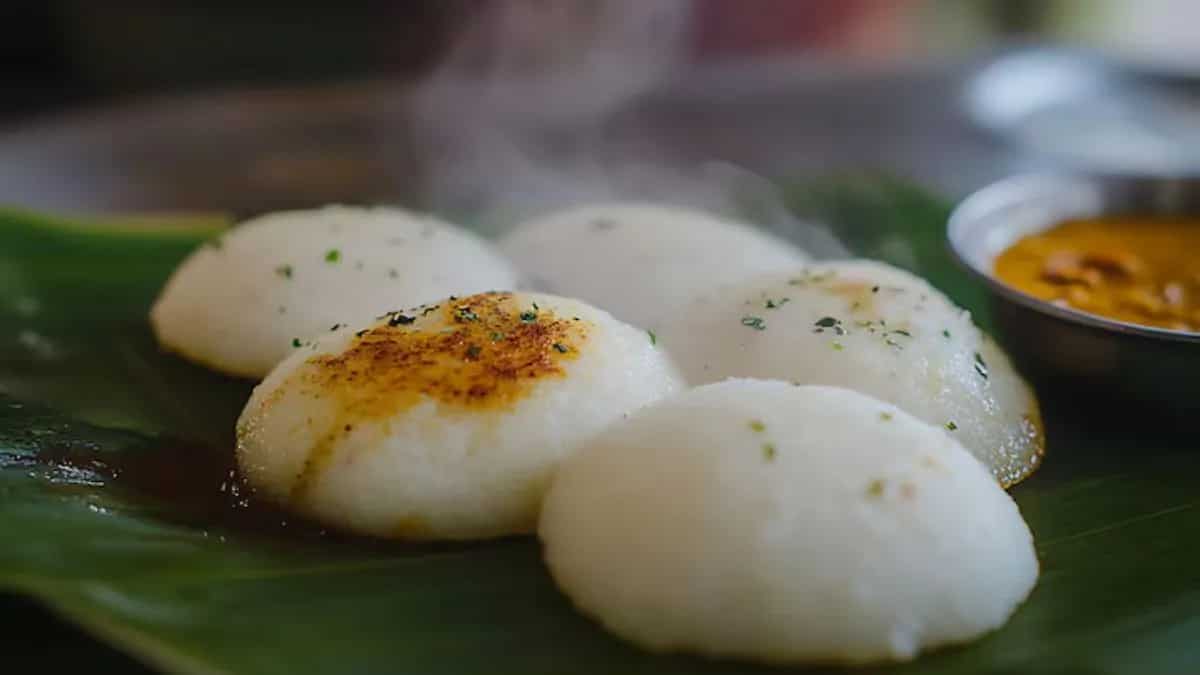
For generations, the school canteen in Mumbai has meant a familiar collection of favourites: vada pav, samosa, fried snacks and a cold drink. They are affordable, filling and easy to eat as a quick meal. But that familiar school-canteen menu is now transforming. In many Mumbai and Thane schools, idli, dosa, poha, upma, sheera and buttermilk are now replacing vada pav, samosa and the aerated drinks as schools respond to Maharashtra’s strengthened food-safety drive.
The shift follows the Maharashtra FDA order issued in July 2026 that directed schools to enforce the Food Safety and Standards (Safe Food and Balanced Diets for Children in School) Regulations, 2020. The rules restrict the sale, free distribution and advertising of foods that are high in fat, sugar and salt (HFSS) on school premises and within 50 metres of the school gates. The state’s order applies to government-aided and private schools. Apart from this, school canteens, hostel kitchens, midday-meal kitchens and food suppliers also need to have a suitable FSSAI licence or registration.
So, the latest news is not that Maharashtra has suddenly “banned vada pav and introduced idli”. The idli-and-poha menu is what some schools are now implying in reply. That shift matters because it shows how the law is beginning to transform what children actually find on the counter.
First Came The 50-Metre Rule
The Maharashtra FDA's July order was aimed at making healthier food conditions around schools, not just changing what is sold inside a canteen.
Schools have been asked to report vendors who do not comply with the order, whereas local authorities can be approached where needed. The Bombay High Court has also supported the FDA's curb on HFSS food sales within the 50-metre zone, backing the implementation of the rules.
(Credits: Freepik)
Now The Canteen Menu Is Changing
This is where the story takes a new turn. Rather than just removing the popular foods and leaving the empty counter, some schools are replacing them with familiar Indian breakfast options.
Schools under the Archdiocesan Board of Education have removed vada pav and samosas and have introduced idli, dosa, poha, sheera and upma. Buttermilk has replaced cola and other aerated drinks in some of the school canteens.
At Poorna Prajna School in Dahisar, for example, deep-fried food has been removed from the canteen menu. Other schools have also urged parents to reconsider packaged juices, fried snacks and other highly processed foods in the tiffin box of the children.
The choice of these foods is important. Idli is steamed and not deep-fried, poha and upma are prepared with very little oil, and buttermilk gives an option instead of sugary soft drinks. The idea is not to make school food unknown or joyless, but to make the choice more balanced.
Why Only Idli, Poha And Dosa?
The change also shows that “healthy school food” does not necessarily imply expensive salads, imported ingredients or detailed recipes.
Idli, poha, upma and dosa are already part of everyday familiar meals. They can be made in large amounts, served quickly and can be adjusted to school-canteen budgets, making them more suitable replacements than foods that need specialised ingredients or complicated cooking.
Apart from this, FSSAI's 2020 school-food regulations were created to encourage safe and balanced diets among the children and restrict foods that are high in saturated fat, trans fat, added sugar and sodium in and around the school premises.
(Credits: Freepik)
Will This Change What Children Pick?
That may be the real test of the new food conditions.
Removing vada pav from a menu does not automatically guarantee to make children like poha instantly. If the replacement food is boring, not prepared properly or much more expensive, students may just look elsewhere. But a well-made idli with chutney, a warm bowl of poha or chilled buttermilk can work specifically because these foods are already familiar to the taste buds.
Maharashtra's current approach therefore goes beyond just banning the “junk food.” It is starting to ask a more practical question: what should take its place?
For parents, schools and canteen operators, that could eventually be the most essential part of the change.