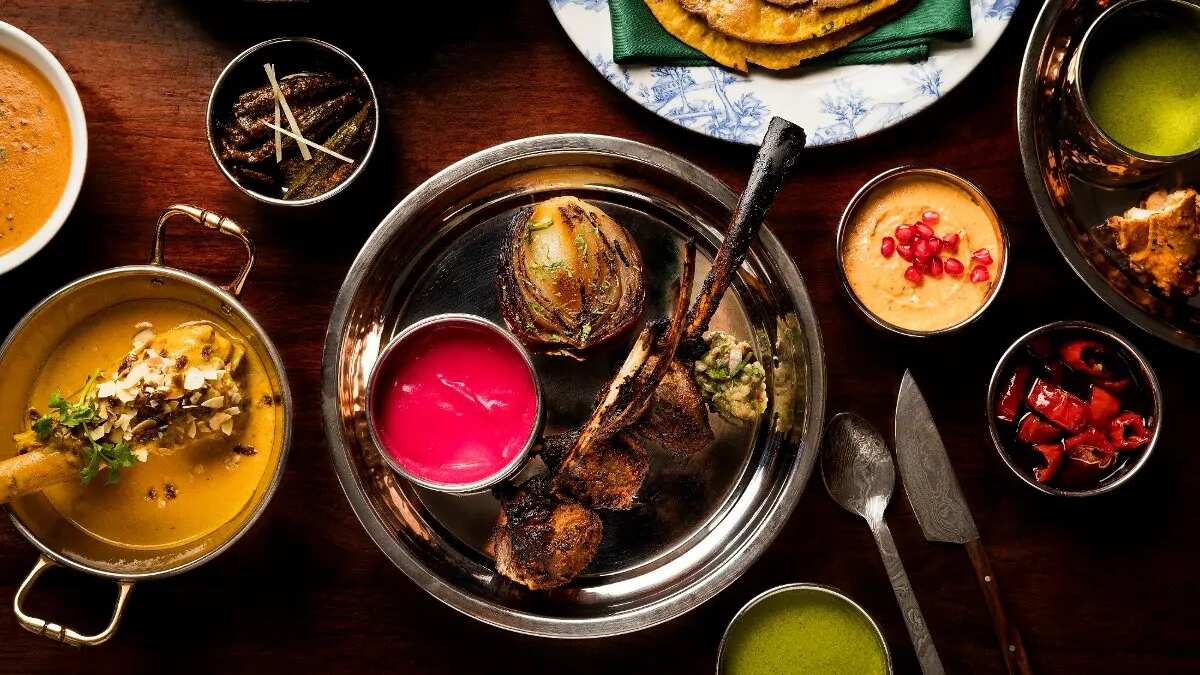
Indian cuisine is renowned for its vibrant flavours and aromatic spices. However, even the most experienced cooks can make mistakes that impact the overall taste and texture of their dishes. Let us delve into the 8 most common method mistakes made in Indian cooking and provide valuable tips and examples to help you elevate your culinary skills. From perfecting the art of tempering (tadka) to understanding the importance of resting and avoiding overcooking, we will guide you through each step, ensuring you achieve delicious and authentic Indian flavours every time.
Tadka: The Essence of Flavour
Tadka, also known as tempering, is a fundamental technique in Indian cooking. It involves heating spices in oil or ghee to unlock their flavours. One common mistake is adding spices to cold oil, resulting in dull and underwhelming flavours. To achieve a vibrant tadka, heat the oil or ghee first, then add whole spices such as cumin, mustard seeds, or curry leaves. As they sizzle and release their aromas, you can introduce powdered spices like turmeric, coriander, or garam masala. This process infuses your dish with layers of rich flavours and tantalising aromas.
Example: When preparing a dal tadka, heat ghee in a pan, add cumin seeds until they splutter, and then toss in finely chopped onions, garlic, and ginger. The resulting tadka will enhance the dal's taste and add a burst of flavour.
Special Tip: To prevent spices from burning, keep them ready in small bowls (mise en place) before starting the tadka process. This way, you can swiftly add them to the hot oil without any delays.
Grind Heated Spices for Enhanced Aromas
Grinding spice is an essential step in Indian cooking, but many cooks often overlook the impact of grinding them after heating. Roasting whole spices before grinding intensifies their flavours, giving your dishes a distinctive taste. For example, roasting and then grinding cumin seeds will enhance the nutty undertones in your recipes.
Example: When making homemade garam masala, dry roast whole spices like cinnamon, cloves, cardamom, and peppercorns. Once they cool down, grind them into a fine powder. The result will be a fragrant spice blend that elevates your curries, biryanis, and other dishes.
Special Tip: Grind spices in small batches to ensure freshness and optimal flavour. Store them in airtight containers away from heat and light to maintain their potency.
Managing Heat for Frying: Achieving Crispy and Golden Delights
Frying plays a significant role in Indian cooking, imparting crispy textures and enhancing the flavours of various dishes. However, managing heat during the frying process is crucial to achieve perfect results. One common mistake is using insufficient or excessive heat, leading to greasy or undercooked food.
Example: When frying pakoras (vegetable fritters), heat the oil on medium-high heat until it reaches the desired temperature. Test the oil by dropping a small portion of the batter into it. It should sizzle and rise to the surface gradually.
Special Tip: Maintain a consistent temperature while frying by regulating the heat. If the oil is too hot, the exterior of the food will brown quickly while the inside remains raw. If the oil is not hot enough, the food will absorb excess oil, resulting in a greasy texture.
Preparatory Steps: The Importance of Soaking
Many Indian recipes call for soaking certain ingredients like lentils, rice, or nuts. Soaking not only reduces cooking time but also aids in digestion and enhances texture. However, the common mistake here is either not soaking ingredients long enough or over-soaking them.
Example: Before preparing traditional idli, soak a mixture of rice and urad dal overnight. This step softens the ingredients, allowing for a fluffy and airy texture when the batter is fermented and steamed.
Special Tip: Follow recipe instructions for soaking times, as they vary depending on the ingredient. If unsure, perform a quick internet search for specific soaking times to achieve the best results.
Resting Dough: Soft and Fluffy Indian Bread
Indian cuisine boasts a variety of bread, such as roti, naan, and paratha. Resting the dough is a crucial step to achieve soft and fluffy bread. One common mistake is not allowing the dough to rest, resulting in tough and chewy bread.
Example: After kneading the dough for Indian bread, cover it with a damp cloth and let it rest for at least 30 minutes. This resting period allows the gluten to relax and the dough to become more pliable.
Special Tip: For even better results, let the dough rest for a few hours or overnight in the refrigerator. This longer resting time allows the flavours to develop further and results in bread with a more complex taste.
Ginger, Garlic, Onions: Building a Flavorful Base
Ginger, garlic, and onions form the foundation of many Indian dishes, providing a robust and aromatic base. The common mistake here is either using too much or too little of these ingredients.
Example: When making a classic butter chicken, finely chop onions, grate fresh ginger, and minced garlic to create a balanced base that complements the creamy tomato sauce.
Special Tip: Use equal quantities of ginger and garlic, roughly a tablespoon each, for most recipes. Adjust the amount of onions based on personal preference and specific recipe requirements.
Overcooking: The Enemy of Texture
One of the most common mistakes in Indian cooking is overcooking ingredients, resulting in mushy vegetables or tough meat. Each ingredient has a specific cooking time, and it is crucial to strike the right balance to maintain texture and flavour.
Example: When cooking aloo gobi (potato and cauliflower curry), ensure the vegetables are cooked until they are tender but still retain a slight bite. Overcooking will result in a lacklustre texture.
Special Tip: Invest in a kitchen timer or use smartphone apps to keep track of cooking times. Regularly check the doneness of ingredients during the cooking process to prevent overcooking.
Perfecting Rice: Achieving Fluffy and Fragrant Grains
Rice is a staple in Indian cuisine, but achieving perfectly cooked, fluffy grains can be challenging. One common mistake is using too much water, resulting in sticky or mushy rice.
Example: For every cup of rice, use one and a half cups of water for long-grain varieties like basmati. Rinse the rice before cooking to remove excess starch, which helps prevent clumping.
Special Tip: After the rice is cooked, let it rest, covered, for a few minutes before fluffing it with a fork. This allows the steam to distribute evenly, resulting in light and separate grains.
By addressing these seven common mistakes in Indian cooking, you'll be well on your way to becoming a skilled chef, creating mouthwatering and authentic dishes bursting with flavours. With practice, patience, and a willingness to learn, you'll soon master the art of Indian cuisine and delight your taste buds and those of your loved ones with every flavorful bite.