Indian cuisine is a mesmerizing journey through a realm of sensory delight, where flavors are exuberant, colors vivid, and aromas intoxicating. At its heart are eight fragrant ingredients that form the very soul of this culinary art. These essential components, each with its distinct personality, are the symphony that composes the essence of Indian cooking.
Cumin, with its warm earthiness, invites you to explore the subtleties of spice. Coriander, in its seed and leaf forms, beckons with its refreshing citrusy notes. Cardamom, a fragrant jewel, promises an exotic taste adventure. Mustard seeds, offering nutty pungency, are the gatekeepers to a world of zing. Fenugreek, both in its seeds and fresh leaves, adds a touch of bitter-sweet complexity. Cloves, with their warm sweetness, are the poets of the spice world. Saffron, the king of spices, drapes dishes in regal elegance. Asafoetida, with its unique umami charm, wields its digestive magic.
Embark on a journey to discover the heart and soul of Indian cuisine, where every dish is a fragrant symphony of these magical ingredients.
1. Cumin (Jeera)
Cumin is an essential spice in Indian cooking, known for its warm, earthy, and slightly nutty flavor. It can be used as whole seeds or ground into a powder. Cumin seeds are often dry-roasted to enhance their aroma before being added to dishes. They are a fundamental component of Indian spice blends like garam masala and are frequently used to temper oil or ghee at the beginning of many recipes. Cumin is versatile, appearing in everything from rice and lentil dishes to vegetable curries and meat preparations.
2. Coriander (Dhania)
Coriander is another indispensable spice in Indian cuisine, available in two main forms: coriander seeds and fresh coriander leaves, known as cilantro. Coriander seeds have a sweet, citrusy, and earthy flavor, often used in spice blends such as curry powder. They're also a common seasoning in numerous dishes. Fresh cilantro leaves are used as a garnish and flavor enhancer in various curries, chutneys, and salads. The use of both the seeds and the leaves provides a harmonious balance of flavors.
3. Cardamom (Elaichi)
Cardamom is often referred to as the "queen of spices" due to its intense and exotic fragrance. There are two main varieties used in Indian cuisine: green and black cardamom. Green cardamom is the more prevalent variety and is employed in both sweet and savory dishes, contributing a sweet, floral note. Black cardamom has a smoky, earthy flavor and is typically used in robust meat dishes. Cardamom is also a crucial ingredient in making chai, the beloved Indian spiced tea.
4. Mustard Seeds (Rai/Sarson)
Mustard seeds, available in both yellow and black varieties, play a significant role in Indian cooking, particularly in the northern and eastern regions of the country. They are often used for tempering, a technique known as "tadka" or "tadka" in Indian cooking. When heated in oil or ghee, they release a nutty and pungent aroma that imparts depth to curries, vegetables, and lentil dishes. Mustard seeds add a unique zing to the cuisine, and the choice between yellow and black varieties depends on regional and personal preferences.
5. Fenugreek (Methi)
Fenugreek seeds and fresh fenugreek leaves, known as methi, are integral components of Indian cuisine. Fenugreek seeds have a slightly bitter taste and a maple-like aroma. They are commonly used in spice blends and pickles. Fresh methi leaves have a distinct, somewhat pungent flavor, and they are used in a variety of dishes, including parathas, curries, and dals. Fenugreek is also believed to have health benefits and is used in Ayurvedic remedies.
6. Cloves (Laung)
Cloves are aromatic flower buds that add depth and a warm, sweet-spicy flavor to Indian dishes. They are often used in whole or ground form and play a crucial role in spice blends like garam masala. Cloves are found in both savory and sweet recipes, contributing their unique essence to rice dishes, curries, and baked goods. Due to their intense flavor, they are used sparingly, but their presence is unmistakable.
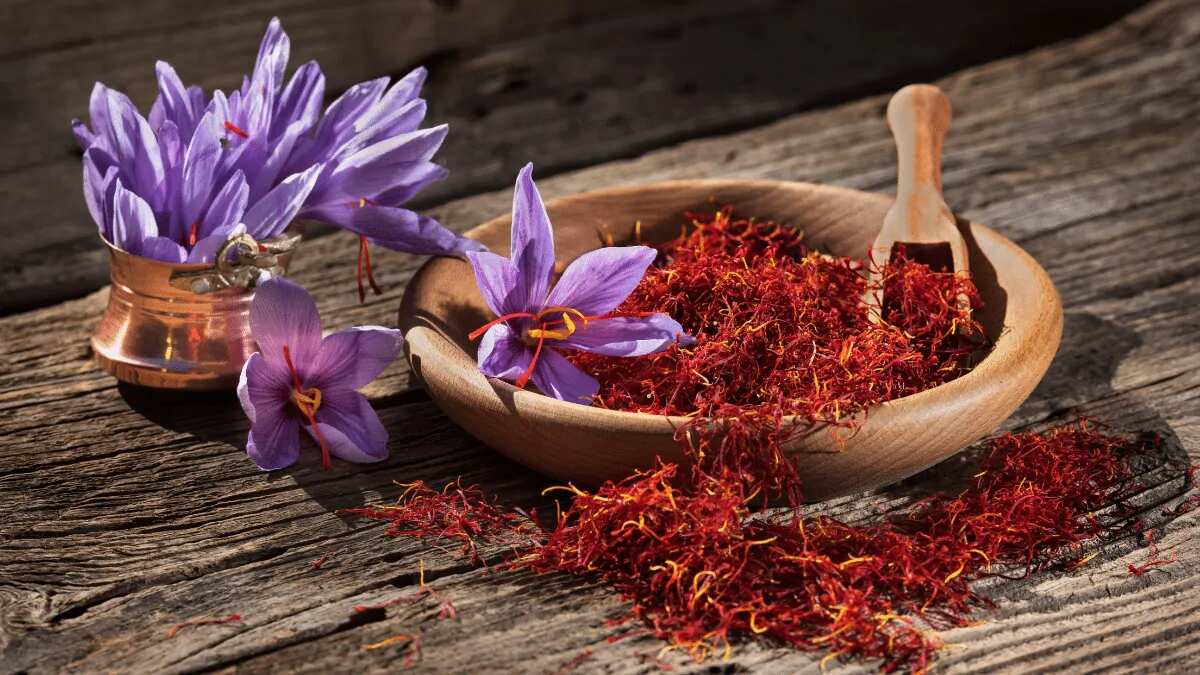
7. Saffron (Kesar)
Saffron is the world's most expensive spice, known for its beautiful crimson threads that impart a unique floral and slightly bitter taste to dishes. It is used predominantly in North Indian and Mughlai cuisine. Saffron threads are often soaked in warm milk or water and then added to dishes, infusing them with a golden hue and a fragrant aroma. Saffron is a key ingredient in biryanis, kheer (rice pudding), and various desserts. Its inclusion elevates the dish to a realm of opulence and sophistication.
8. Asafoetida (Hing)
Asafoetida, also known as hing, is a pungent resin-like spice used sparingly in Indian cuisine. Its unique, savory, and umami flavor is appreciated for its digestive properties. Asafoetida is typically used in vegetarian dishes, particularly in lentil-based recipes. It is an essential ingredient for those following Jain dietary restrictions, which prohibit the use of certain pungent vegetables like onions and garlic.
In the rich tapestry of Indian cuisine, these eight fragrant ingredients are not just culinary components; they are threads weaving together history, culture, and tradition. From the earthy warmth of cumin to the regal elegance of saffron, they offer an invitation to explore a world of diverse flavors and vibrant aromas. The art of Indian cooking lies not just in the ingredients but in the skillful use and balance of these fragrances. As you savor the countless dishes, you embark on a sensory journey that engages your taste buds, your sense of smell, and your cultural curiosity. In the end, Indian cuisine is a fragrant revelation of a deeply rooted culinary heritage.