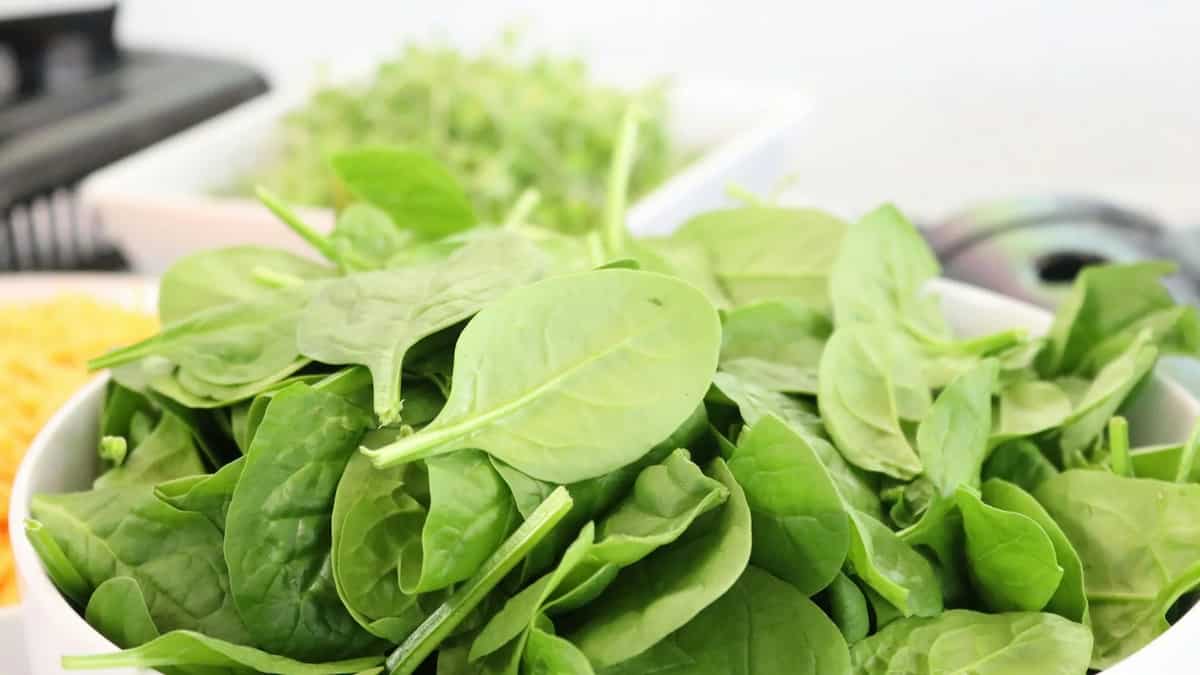
Leafy greens play an important role in everyday diets because they offer fibre, micronutrients, and natural freshness without heaviness. They add volume and texture to meals while keeping calories low, which makes them suitable for balanced eating. Greens also bring natural bitterness or earthiness that complements grains, lentils, and proteins. Their colour alone signals vitality on a plate, making meals feel lighter and more complete.
However, leafy greens demand attention because they are among the most delicate vegetables. Their structure is made up of thin cell walls and high water content, which makes them vulnerable to wilting and bruising. This fragility explains why their shelf life is shorter compared to sturdier produce. Proper care preserves not only their texture but also their flavour and nutritional quality, ensuring they remain usable rather than being discarded prematurely.
Easy Storage Tips To Prevent Leafy Greens From Wilting
Dry Leafy Greens Thoroughly Before Storing
Leafy greens contain a high amount of natural moisture, which makes them especially sensitive to additional water. After washing, it is important to dry them completely before placing them in the refrigerator. Spread the leaves gently on a clean kitchen towel and allow them to air-dry, or use a salad spinner to remove excess moisture. Even small droplets left between leaves can create damp spots that encourage decay. When greens are stored while wet, they soften faster and develop slimy patches.
Remove Weak Or Damaged Leaves Before Storage
Before refrigerating leafy greens, examine the bunch carefully and remove any leaves that look torn, yellowed, or bruised. Damaged leaves release moisture and natural gases that accelerate spoilage in surrounding greens. Leaving even a few weak leaves in the bunch can shorten the life of the entire batch. Separate and discard these pieces so only healthy leaves remain. Loosen tight bindings around stems to prevent pressure marks. When greens are allowed to breathe and remain free from internal bruising, they stay crisp longer.
Prevent Compression During Refrigeration
Leafy greens lose their crispness when pressed under heavier items in the refrigerator. Their delicate structure cannot withstand prolonged pressure, even if the weight seems minimal. Store them in a part of the refrigerator where they can lie flat without being squeezed by containers or root vegetables. Avoid overcrowding drawers, as tight spaces limit airflow and increase humidity. Proper spacing allows cool air to circulate around the leaves evenly. Compression causes internal bruising that may not show immediately but leads to early wilting.
Store Greens According To Their Type
Not all leafy greens behave the same way, so storing them together without thought can shorten their shelf life. Tender leaves like spinach and lettuce wilt faster than sturdier greens such as kale or mustard leaves. Keep delicate varieties separate from heavier ones to prevent crushing and uneven moisture exposure. Mixing different textures often leads to faster deterioration. Understanding the nature of each type allows you to give it the space and conditions it needs.
Keep Greens Away From Ethylene-Releasing Produce
Certain fruits like apples, bananas, tomatoes release ethylene gas, which speeds up ripening and decay. Leafy greens are highly sensitive to this gas and may wilt or yellow faster when stored nearby. Keeping greens in a separate section of the refrigerator limits their exposure. This small adjustment prevents premature spoilage. Protecting greens from ethylene helps maintain their colour and structure for longer.