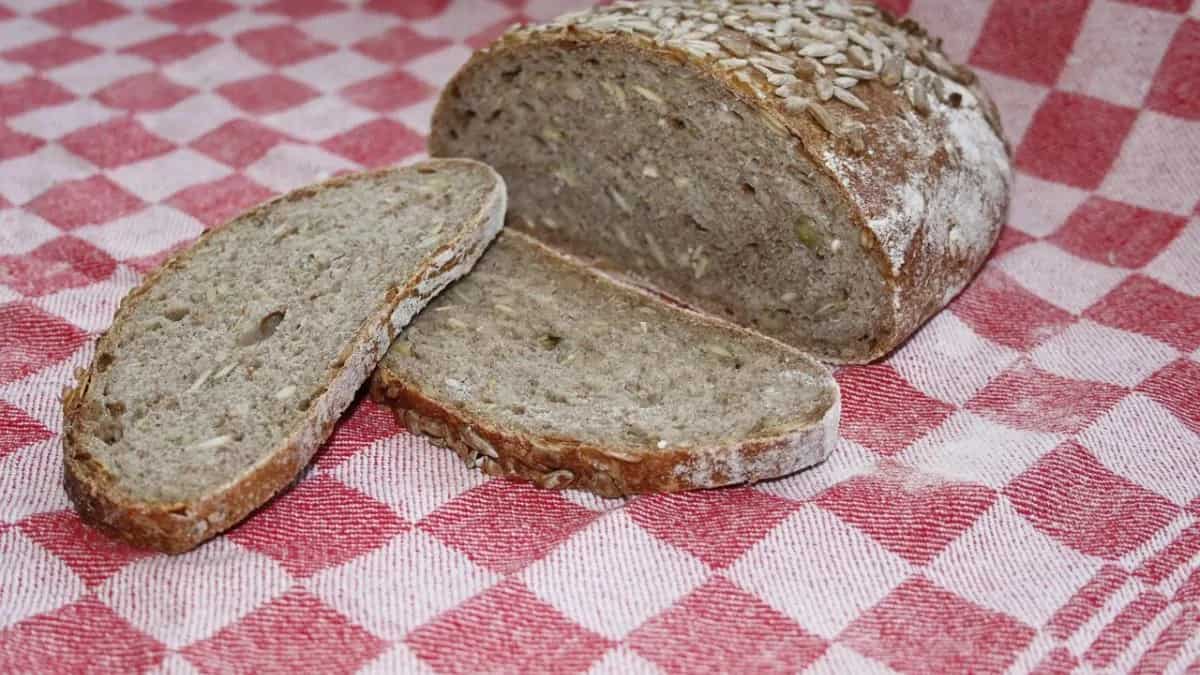
Bread has been a staple in human diets for centuries, and there are countless variations and techniques that have emerged throughout history. One such technique that has gained immense popularity in recent years is sourdough breadmaking. Sourdough bread offers a unique flavour, a chewy texture, and an irresistible aroma. The bread is made through the process of natural fermentation. It is leavened using a sourdough starter, which is a combination of wheat flour and water that captures wild yeasts and lactobacilli bacteria from the environment.
The history and origin of sourdough bread can be traced back thousands of years. Ancient Egyptians were known to use wild yeast to leaven their bread, and evidence of sourdough fermentation has been found in archaeological remains from ancient civilisations such as the Babylonians and Romans. Throughout history, sourdough bread has remained a staple due to its ability to withstand various climates and its rich flavour.
A sourdough starter has to be very active if you’re baking sourdough at home. An active starter is full of natural yeast and good bacteria, which help the dough rise well and give the bread its lovely tangy flavour. When it’s ready, the starter looks bubbly, airy, and slightly puffy, with a fresh, mildly sour smell. Using a weak or inactive starter can make your bread dense and flat, so feeding it regularly and using it at its peak is key to getting a soft crumb, good rise, and that classic sourdough taste.
Image Credit: Wikimedia Commons
The volume of the dough it has been added to must triple or quadruple in volume, making the final baked product seem tall, light to hold and with an open crumb. Having a thick viscosity, along with showing signs of activity (like bubbling), is necessary for you to know that you’re doing the right thing. Baking any loaf of sourdough involves adding at least 20% of the starter while kneading the dough, where the acids from this pre-fermented mixture of flour and water act upon the ingredients. The more mature the starter, the runnier the consistency because the build-up of acids breaks down the gluten. If you’re still unsure about how to keep the sourdough starter active for the finest results, follow these simple and easy steps:
Consistency Is Key
A sourdough starter is a living organism that requires routine to thrive. If it is kept at room temperature, feed it once every 24 hours; in warmer areas, feed it every 12 hours. Maintain a constant ratio, like as 1:1:1 by weight for starter, flour, and water. This ensures that the yeast remains active enough to give your bread a proper rise and maintains the balance of acidity. Fermentation can be slowed and the starter weakened by skipping meals or feeding at random.
Choose The Correct Quality Flour
Your starter needs flour, and different types of flour work differently. Because they are high in natural yeast and nutrients, whole wheat and rye flours are great for preserving strength. Feeding your beginning with 20–30% whole grain flour will significantly increase bubble formation, scent, and rise, even if you prefer to bake with refined wheat. Occasionally changing the flour also contributes to the culture's resilience and diversity.
Image Credit: Wikimedia Commons
Temperature Is Important
Your starter's level of activity is greatly influenced by temperature. The optimal temperature range is 22–26°C. Fermentation slows significantly in colder weather, and the starter may appear dead. It can quickly overferment and become excessively acidic in extremely warm weather. Locate a stable area in your kitchen, such as within a cabinet, next to but not on top of appliances, or inside an oven that is turned off but has the light on. Predictable outcomes follow from consistent warmth.
Image Credit: Wikimedia Commons
Use Clean Water
Water quality often gets overlooked, but it can make or break your starter. Chlorinated water can inhibit yeast activity, so filtered water or tap water left to stand for a few hours works best. Always use clean jars and utensils to avoid introducing harmful bacteria or mould. Glass jars are ideal, as they’re easy to clean and allow you to monitor bubbles and growth clearly.
Learn To Study Your Sourdough Starter
A good starter uses movement, texture, and fragrance to convey. Within four to six hours of feeding, it should double or possibly triple in volume and appear airy with visible bubbles throughout. It should not be dry or runny, but rather have the consistency of thick pancake batter. Never harsh, rancid, or overly alcoholic; instead, the scent should be somewhat tart and fresh. You can determine when your starter is at its best and ready to bake by keeping an eye on these indicators.