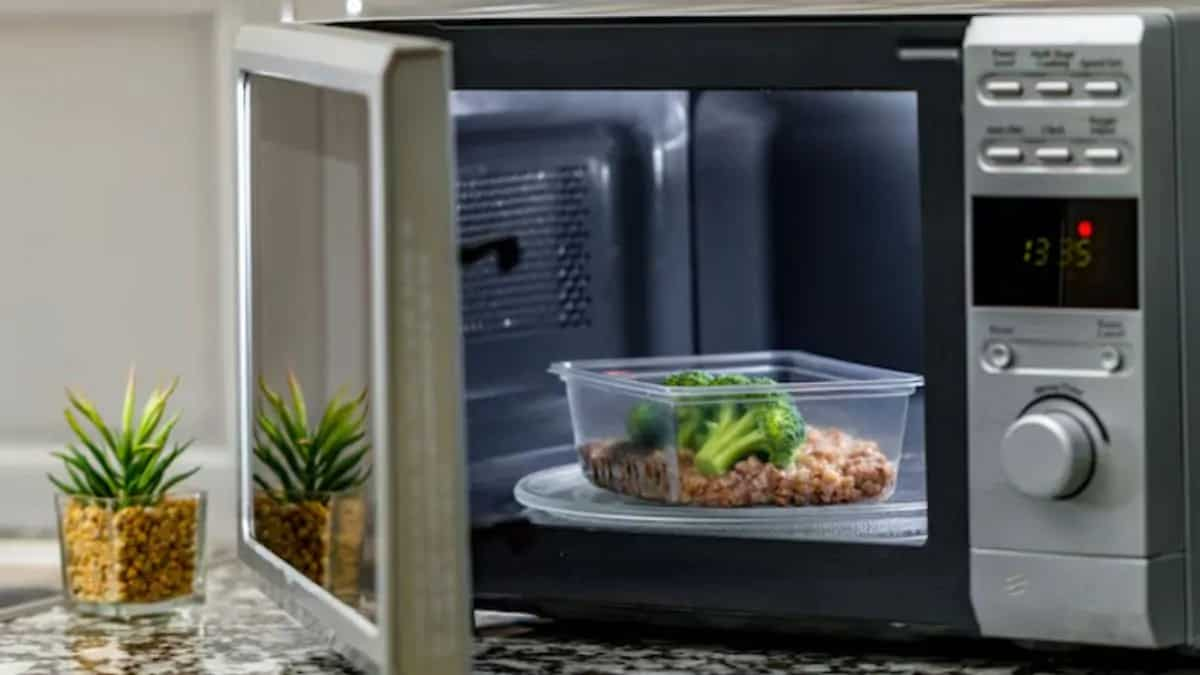
In the modern lifestyle, cooking in bulk has quietly evolved into a survival skill. Amid the long workdays, late-night cravings, and the comfort of knowing “something is already prepared,” reheating feels like the wisest shortcut. One pot, many meals, the microwave does the rest of the work, and the dinner is sorted in minutes. But comfort often hides a catch. Not all foods are meant to survive cooling, storing, and then reheating again without having any consequences. As leftovers remain, certain bacteria reproduce, the type of protein changes, and compounds quietly switch. Reheating may restore the flavour, but it does sometimes impact the well-being.
The smarter approach is not abandoning the leftovers, but treating them differently from reheating directly. Cool the food quickly, store it right, and rethink reheating altogether. Some dishes are safer when enjoyed cold, others work pleasingly when added to freshly cooked meals. With small twists, leftovers will remain both comforting and safe.
Rice
That simple bowl of leftover rice can turn risky when reheated carelessly. Cooked rice often has Bacillus cereus spores that stay even after cooking and multiply when rice is cooled at room temperature. Reheating does not always destroy the toxins. Instead of reheating again and again, cool rice, refrigerate it within an hour, and stir it straight from the fridge to a hot pan, only once. Reheating it repeatedly worsens its qualities and even texture.
(Image credit: Freepik)
Potatoes
Reheated potatoes not only feel rubbery, but they can also be unsafe if not stored correctly. When cooked potatoes cool down slowly or are left out wrapped in foil, bacteria such as Clostridium botulinum can grow. Reheating does not always fix this. If you have to reuse them again, refrigerate them uncovered, then use the cold potatoes in a mustardy potato sabzi or slice and crisp them fresh in a pan rather than microwaving.
Chicken
Chicken proteins change their structure when reheated, which makes them dry. Reheating can leave cold spots where bacteria stay, particularly in microwaves. Instead of reheating the plain chicken, shred the cold-cooked chicken into hot soups, curries, or wraps, where it gets warmed gently and in a uniform way. You can also turn it into a coleslaw sandwich filled with mayo, herbs, and crunch, skipping the need to reheat.
(Image credit: Freepik)
Eggs
Eggs, when reheated, can change from fluffy to sulphuric and unsafe to eat. Scrambled eggs and omelettes, when reheated, may promote bacterial growth and release undesirable combinations. Rather than reheating, store the cooked eggs properly in an airtight container and eat them cold, like egg salad, stuffed in sandwiches, or chopped into healthy bowls. If heating is necessary, add the cold eggs to a freshly cooked hot dish so that they get warm through without direct reheating.
Spinach
Spinach has nitrates that can transform into harmful nitrites when reheated, particularly multiple times. That leftover palak paneer might taste good, but it is not ideal health-wise. The smarter action? Use the leftover spinach by blending it into smoothies, adding into yoghurt-based dips, or stirring it into hot dal just before serving so it wilts gently without having to fully reheat. Fresh heat, not the repeated heat, is the key.
(Image credit: Freepik)