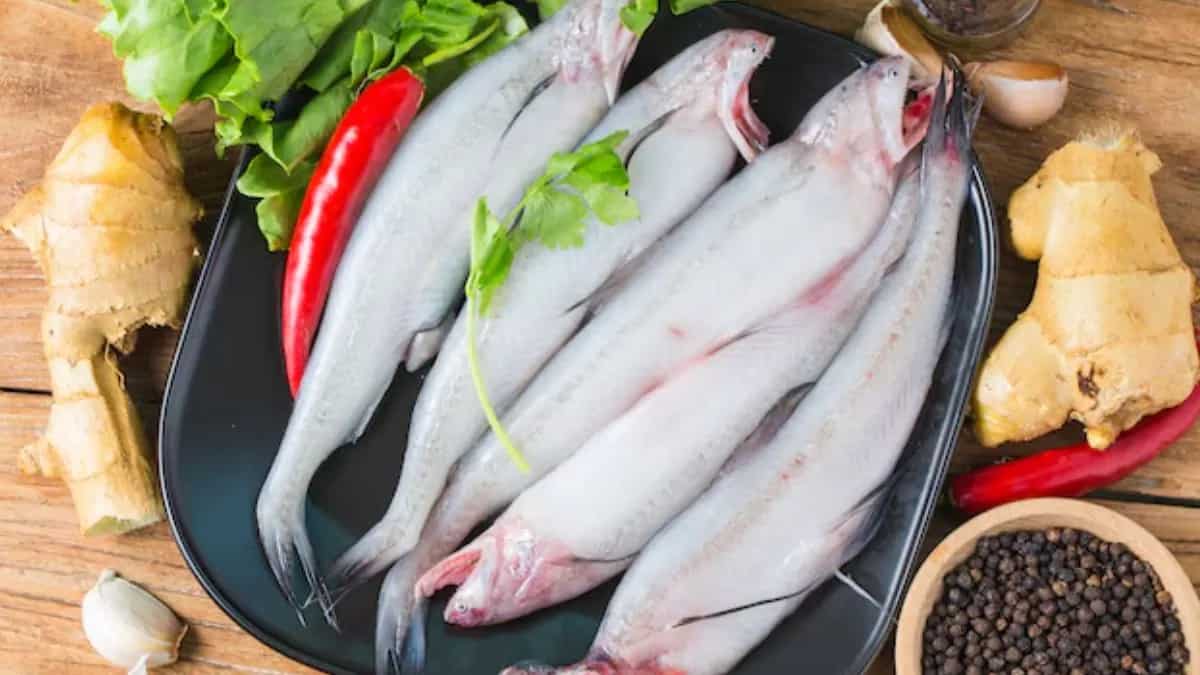
The arrival of the monsoon season changes India's food markets. Fresh seasonal vegetables, leafy greens and fruits begin to be seen in abundance, but when it comes to seafood, it is a different story. If you have noticed some fish varieties from the local market tend to disappear during the rainy season, or have heard elders warn against eating certain fish, there's a reasonable reason behind it. It is not that fish varieties suddenly become unhealthy during this time; instead, many marine species enter their breeding season, while wild seas and government-imposed fishing bans decrease the availability of fresh catch.
Every year, many coastal states, such as Maharashtra, Goa, Karnataka, Kerala, Tamil Nadu, Andhra Pradesh, Odisha and West Bengal, implement seasonal fishing bans to safeguard marine biodiversity and let fish populations reproduce. These rules also make some fish varieties less available in markets. Since the supply drops, buyers may sometimes notice fish that have been stored for a very long time or are transported over greater distances. Here are five fish varieties that are usually better skipped during the monsoon, and also why.
Indian Mackerel (Bangda)
Bangda is one of the most popular oily fish in India, especially along the western coastline. However, the monsoon overlaps with its breeding season in many coastal waters. Fishing conditions during this period are meant to allow mackerel populations to breed naturally before commercial fishing starts.
As a result, fresh bangda is less common in markets. Fish available during this period may have travelled longer distances or stayed in storage for extended periods. Waiting until the fishing season opens usually means you have better freshness, taste and aid for suitable seafood preparations.
(Image credit: Freepik)
Bombay Duck (Bombil)
Despite its name, Bombay duck is actually a lizardfish widely enjoyed in Maharashtra and Gujarat. Fresh bombil has a delicate texture and spoils much faster than firmer fish because of its high moisture content. Humid monsoon weather further shortens its shelf life, making careful handling extremely important. Since fishing activity also reduces during this period, obtaining freshly caught bombil becomes difficult. Unless you're buying from a highly reliable seafood vendor known for rapid turnover, many experts recommend waiting until the monsoon passes before enjoying this seasonal favourite.
Sardines (Mathi/Pedvey)
Sardines are loved for their rich taste and nutritional value, but many sardine species also spawn during the rainy season. Seasonal fishing bans are created to protect these spawning populations and provide sustainable harvests later in the year. As the catches drop during the ban, fresh sardines become more difficult to find, particularly away from coastal regions.
Purchasing them outside their peak season may not always ensure that they are fresh. Choosing alternative freshwater fish during this time can often deliver a more reliable option while supporting trustworthy seafood consumption.
Pomfret (Paplet)
Pomfret remains one of the most sought-after fish in Indian households due to its light taste and soft meat. During the monsoon, however, supply naturally declines due to fishing limitations and rough sea conditions. This limited availability often drives prices higher while making a fresh pomfret more difficult to source.
Consumers may unknowingly buy fish that has been kept for longer than usual. Waiting until regular fishing resumes not only delivers better value but also ensures the fish is fresher and more full of taste.
(Image credit: Freepik)
Seer Fish (Surmai)
Surmai is loved for its firm texture and meaty fillets, making it a favoured choice for grilling and curries. Like many other marine species, its availability decreases especially during the monsoon due to annual fishing bans. Reduced catches mean fresh surmai becomes less available, particularly in inland cities where transport takes extra time.
Instead of paying extra prices for fish whose freshness may be uncertain, many seafood experts recommend picking readily available freshwater varieties until the regular fishing season comes back to season.
What Can You Eat Instead?
If you are craving fish during the monsoon, you do not necessarily need to give it up altogether. Freshwater fish like rohu, catla and responsibly farmed tilapia are usually more easily available throughout the rainy season as they are sourced from inland fisheries and aquaculture instead of marine fishing expeditions.
Regardless of the variety, always buy seafood from trusted vendors only who preserve proper cold storage and hygienic handling methods.
Monsoon does not mean avoiding seafood altogether; it simply means making more precise choices. Comprehending breeding seasons, fishing bans and selecting seasonal options helps protect marine ecosystems while confirming that the seafood reaching your kitchen is fresh, safe, and better fitted to the season.