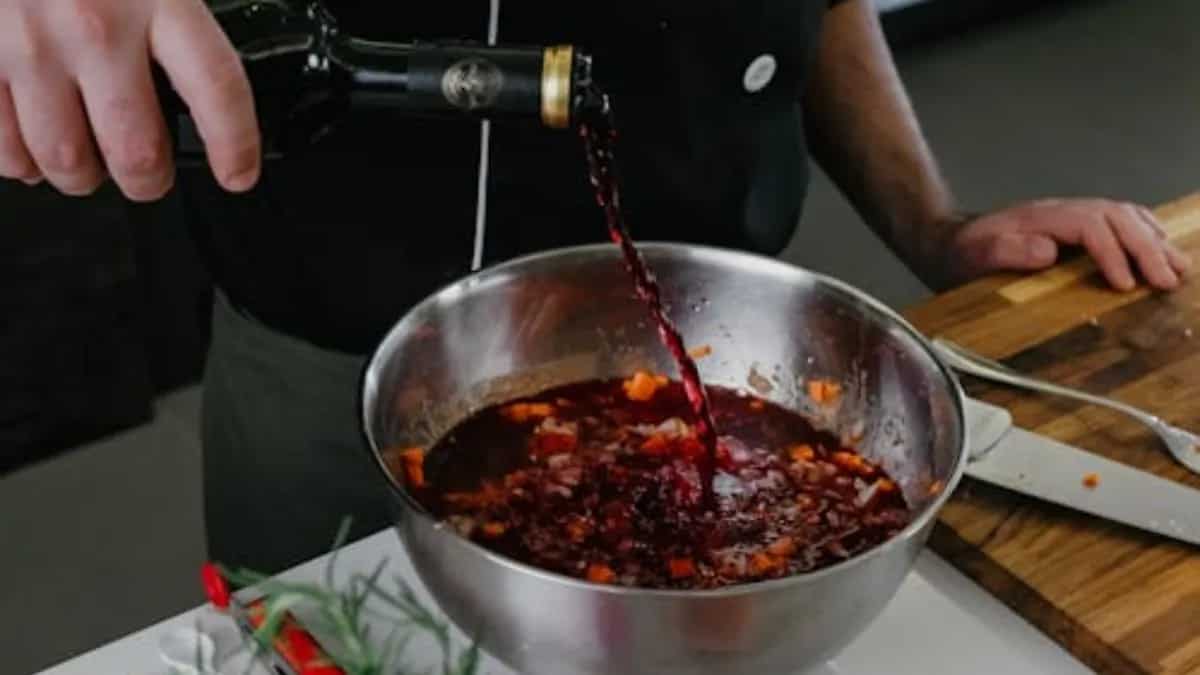
When it comes to wine, you enjoy it, and you love it. So, shouldn't you cease treating wine the same as other alcoholic beverages? Consider the possibility. You might incorporate it into your skillet dishes and marinades! Wine may be incorporated into cooking in a wide variety of ways, and it can greatly enhance the flavour of several dishes. You should know how, when, and why to add wine to the foods you make rather than just pouring it into everything you cook. You just cannot pour it into any dish and enjoy its flavours. You must know the right way to use it. Here are some tips and tricks for you to keep in mind when cooking with wine.
Don’t Use The Wine You Don't Like To Drink
Don't cook with wine you wouldn't want to drink. Even though you've undoubtedly heard this advice a hundred times before, it is still important to remember. You know those wines that, as soon as you take a sip, strike you as being overly sweet, overly acidic, or just plain blah? Pouring the wine into your food may seem like a novel method to get rid of it, but doing so is not in your best interests. The last thing you want to happen is to bite into a dish and discover that something didn't taste right, turning it into something overly sweet, sour, or worse. Rather, use a fresh bottle of a wine that you like and use that.
Image Credit: Pexels
Marinade With Wine
There are countless ways to incorporate wine into your cuisine, but marinades are one setting where it is frequently overlooked. A nice red or white wine, however, can elevate a marinade that is already wonderful to a new level. According to MasterClass, a zesty, acidic white wine with few difficulties is usually best to use while marinating something like fish. Yet, a rich white wine like Chardonnay might complement your protein if you are marinating chicken.
Know The Right Time To Add The Wine
You might believe that you can add wine to your food at any stage of cooking, but this is untrue. Depending on what you're cooking, you should add wine at different times, but a good general tip to remember is to avoid adding wine too late. When your food is going to be served, adding a large amount of wine right before serving can make it taste harsh. You don't want your dish to have an alcoholic flavour.
Image Credit: Unsplash
Avoid Using Tannic Red Wine
Although everyone has a distinct preference for wine, we have some bad news for those who enjoy big, robust, tannic bottles. You probably won't want to utilise such red wines for your cuisine. Why? So when the wine boils down, those tannins will concentrate into an unpleasant, bitter flavour. If you're using tannic wine in your cuisine, you should anticipate that the unpleasant flavours will only intensify over time. Instead, you should look for a red wine with moderate tannins if you plan to cook with it.
Use Cooking Wine, If Avaiable
Cooking wine was never intended to be consumed; instead, it was intended to be used as a culinary ingredient. Salt and other preservatives are added to cooking wine to increase its shelf life and prevent spoilage. It's legally allowed to be sold at grocery shops thanks to these little adjustments, but you wouldn't want to drink it. Cooking wine incorporates preservatives like salt and other ingredients that prolong its shelf life and prevent spoilage. You wouldn't want to drink it, yet these little changes allow it to be sold legally at grocery shops. It also indicates that a bottle may be utilised for a very long period after it is opened. You would never need to purchase a whole case of cooking wine unless you were operating a restaurant.