Healthy eating in 2026 is not just about calculating calories or putting a 'high-protein' label on everything. Social media has pushed protein-packed breakfasts, fibre-maxxing, gut-health foods, fermented vegetables, cottage cheese recipes and functional snacks into everyday food discussions. Trend reports for 2026 also point to increasing interest in fibre-rich pantry staples, gut-friendly meals and convenient products that are built around protein and fibre.
With the current world revolving around social media, it becomes difficult to separate what can be a useful eating habit from what is just a viral food hack that will last for up to a week or a month. Eating seasonal vegetables and everyday grains is useful, whether or not social media claims it, while a packaged snack does not become a better option simply because it states 'high-protein' on the package. Here are five food trends making a buzz in 2026, and what is actually in them that you can follow or skip.
Protein-Maxxing: Keep The Habit, Skip The Obsession
Protein has become the most talked-about trend, literally showing up in everything from cottage cheese pancakes and Greek yoghurt bowls to protein coffee or profee, as it is being called, shakes and snacks. There is a reasonable idea beneath the trend: building meals around a protein source can make them more substantial and help people meet their nutritional requirements. From the trend, you can:
Keep: eggs, dal, beans, paneer, yoghurt, fish, chicken, tofu and other regular protein-rich foods.
Skip: turning every meal into a protein challenge or depending heavily on highly processed bars and powders when everyday food can do the job at its best. A protein-rich meal still needs vegetables, grains, fruit or other foods for a more all-around nutrient mix.
(Credits: Freepik)
Fibre-Maxxing: One Trend Worth Keeping
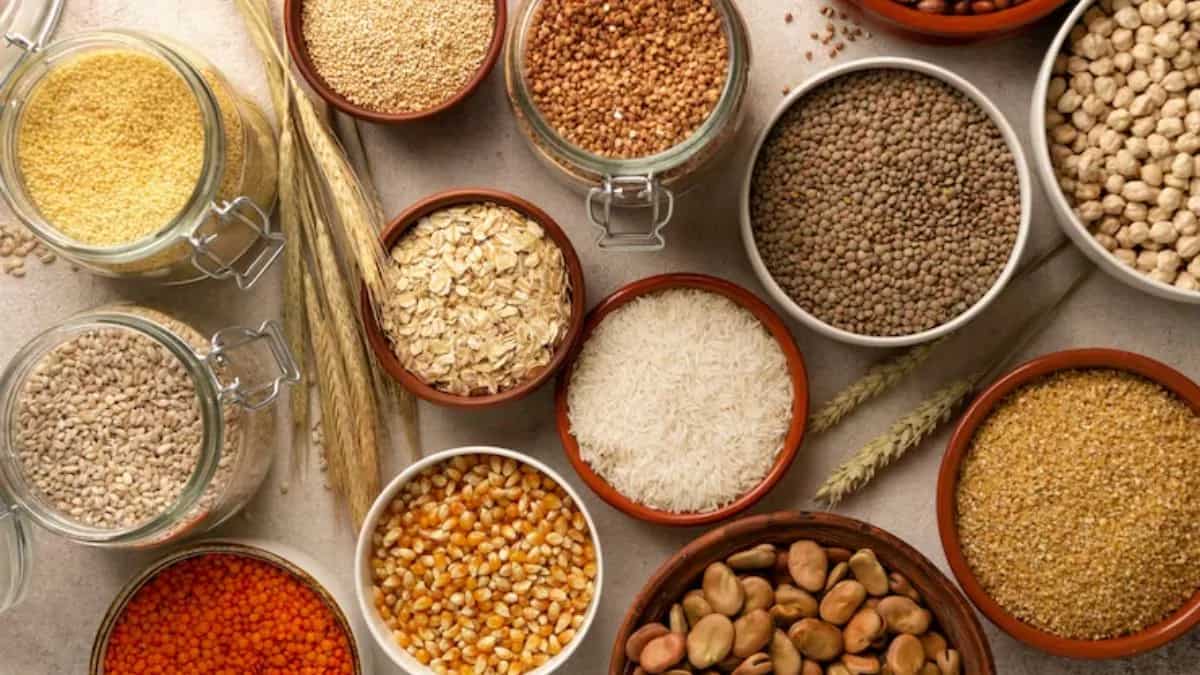
Fibre has become another nutrition buzzword, with oats, beans, lentils, whole grains, seeds, fruits and vegetables getting their place in everything from breakfast bowls to packaged snacks. Whole Foods has particularly highlighted the rise of fibre-focused foods, while industry trend reports also recognise fibre as a major area of food creation this year. From fibermaxxing:
Keep: try increasing fibre intake through everyday foods like rajma, chana, everyday dals such as moong, vegetables, fruits, oats and whole grains.
Skip: suddenly crowding meals with fibre powders or huge amounts of added fibre just because 'more' sounds better. A slow increase, enough fluids and combinations make more sense than chasing a number or buying every product that has been marked as 'high fibre.'
Fermented Foods: Keep The Real Ones, Read The Label
Kimchi, sauerkraut, kefir, kombucha and yoghurt are not just the niche health-food domain, but they have moved to mainstream grocery lists. The useful part of this trend is not the word 'probiotic'. Fermentation can make foods with beneficial microorganisms, but not every fermented or probiotic-labelled product has live cultures by the time it reaches you.
Keep: a regular bowl of plain yoghurt that has live cultures, kefir, and traditionally fermented vegetables like you have been consuming.
Skip: assuming every kombucha, probiotic drink, or sweetened yoghurt is automatically a healthy food. Look for the sugar content and whether live cultures are actually present in it.
Millets Are Still Trending: Know About The Ancient Grains Before Adding To Your Diet
Millets have progressed far beyond the traditional rotis and porridges and are now showing up in dosa, cookies, breakfast mixes, noodles, snacks and also packaged foods. The fact that they are easy to manage makes them a simple add-on to regular meals. Millets such as jowar, bajra and ragi are useful whole-grain choices and also add fibre as well as variety. Lately, many people have skipped having the regular wheat rotis and have switched to ragi, jowar and bajra for daily meals.
Keep: using whole millets like jowar, bajra, ragi, foxtail millet and little millet in familiar foods like rotis, dosas, khichdi or porridges. They are an easy way to add a variety of grains to everyday meals.
Skip: assuming every millet cookie, chips, noodles or ready-to-eat mix is healthy if you are buying from a store. Check the full ingredient list, added sugar, sodium and how much actual millet the product has. Although the grain can be a good choice, the finished product still has to be judged on what else has been included in it.
(Credits: Freepik)
'Clean' Ultra-Processed Food Fear: Keep The Label Check, Skip The Fear
The backlash against ultra-processed foods persists, but 2026 is also bringing more modulation to the conversation. Not every packaged food is nutritionally poor, and processing itself is not a dependable shortcut for determining whether something belongs in your diet. For example, some protein powders, fortified plant milks and canned foods can still deliver useful nutrients and convenience. You can:
Keep: checking the ingredient list, such as added sugar, sodium, protein, fibre and the overall nutritional value of packaged foods.
Skip: throwing away every food labelled as ultra-processed or assuming a homemade-looking product is just healthier. The better question is what the food adds to your overall diet, not whether it has won the internet’s 'clean eating' badge.
In 2026, the most useful food trends become very simple once the hashtags are removed: eat more fibre-rich foods, include sufficient protein in everyday meals, make room for fermented foods and look at the whole nutritional profile before believing any health claim.