


- Home
- Slurrp360
- Most searched
- Masala Chai
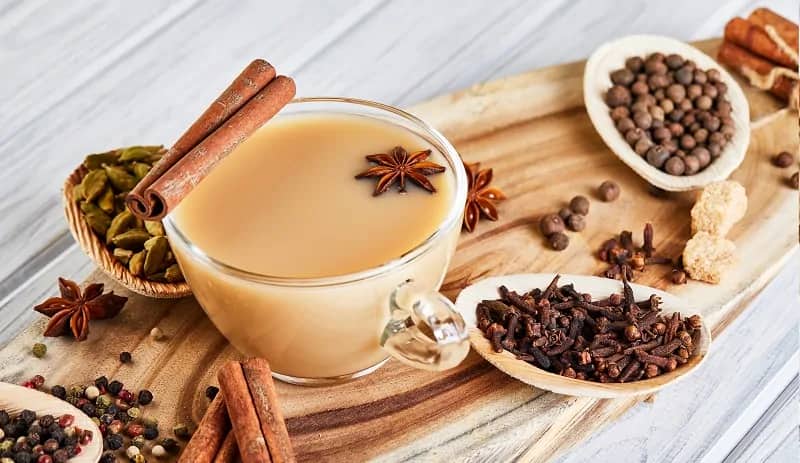
Masala Chai
Nutritional Value
1256
Calories
per serving
- Fat17 g
- Protein24 g
- Carbs352 g
- Fiber221 g
- Sodium0 g
- Others0 g
- Place of OriginINDIA
- CuisineAsian,Indian
- Common Ingredients
- CourseStarter & Appetizer
The genesis of tea in India comes from the British colonial insurgence during the early 17th century. The East India Company in London received the licence from Queen Elizabeth I to set up trading with India and the Far East. Tea had already become an accepted popular beverage in Britain and its realms. The supplies were sourced from China, which was one of the earliest tea-growing regions of the world. But later, China stopped its trade with the Company when they discovered that tea and its planting clones were being ‘robbed’ by the British, who were trying to set up plantations elsewhere. Thus the obvious choice for the Company became India, specifically its North East, closer to the Chinese cultivation regions. These neighbouring areas shared the same type of climate and soil. After creating the necessary infrastructure and following rebellious resistance from the locals, the Company finally established tea plantations with a vision of enterprise for the future. The natives, apart from some pockets, were not avid tea drinkers and there was no concept of a regular beverage. The locals would sometimes brew and drink the red liquor as a stimulant with leaves from the tea plants.
Gradually tea plantations began getting established with migratory contract labour and young British and local planters coming in as private investors. The crude output of leaf tea would then be packed and shipped to Britain. However, the newly formed Tea Association realised that the business would not sustain with the meagre demand for tea and decided to popularise the beverage among the native Indians. Soon, around 1901, they launched the 40-plus-year campaign and found ways of making tea widely available to the masses, setting up stalls on roadsides, post offices, railway stations, and bazaars; it became so popular that people started requesting local governments for tea breaks.
Soon, vendors began spicing up the brew with cardamom, pepper and cinnamon, an automatic progression from the age-old Ayurvedic medicinal concoction for boosting immunity and health. Tea was already established as a stimulant and add to that a few zesty spices and you had a much stronger, thicker beverage.
The vendors established the correct water-to-milk ratio, which would be boiled and the ground spices thrown into the steaming pot for them to rehydrate and emanate fresh spice oils, creating a rich spicy flowery flavour. It was indeed an epiphanous brew for the Indian palate— sweet, full of flavour and with an enticing aroma, while the texture was creamy, thick and sugary.
Today, Masala Chai has become a household name across India. Many tea-drinking nations brew it with some variations as per region, culture and taste preferences with spices, often blending other tea variants.
Nutritional Value
1256
Calories
per serving
- Fat17 g
- Protein24 g
- Carbs352 g
- Fiber221 g
- Sodium0 g
- Others0 g