


- Home
- Slurrp360
- Most searched
- Jal Jeera
Jal Jeera
Nutritional Value
94
Calories
per serving
- Fat3 g
- Protein3 g
- Carbs12 g
- Fiber5 g
- Sodium0 g
- Others0 g
- Place of OriginINDIA
- CuisineAsian,Indian
- Common Ingredients
- CourseStarter & Appetizer
It is believed that the most prominent sign of a happy stomach is a loud, rumbling belch at the end of the meal. Jal Jeera is the perfect palate cleanser after a hearty meal of your favourite plate of spicy Chicken Butter Masala and flaky garlic Naan, or Handi Biryani and Chicken Lababdar. It is the crown jewel of cooling beverages in India, predating your Masala Thums Up and Sweet Lime Soda by at least a few centuries, if not more.
Not much information is available on the origination of this Ayurvedic drink, except that it was first consumed in India on the banks of the Ganges. Presumably, the settlements around River Ganges cultivated cumin because of its ability to withstand droughts as well as harsh tropical climates.
This miracle drink is a natural alternative to your over-the-counter digestive tablets. It aids in your liver producing and discharging bile juices, quickening the process of digestion. It also contains micronutrients like iron. So even a teaspoon of cumin a day can account for over one-fifth of our daily iron requirement. It is also rich in antioxidants that protect your body from free radical damage. Notwithstanding scientific evidence, a glass of Jal Jeera every morning is also recommended for diabetics to control the blood sugar levels in our bodies.
Newly minted health freaks might just have discovered this “superfood” in the last few decades, if there is one spice that has been around since the dawn of civilisation, it’s arguably Jeera (cumin). First cultivated in Central and Southwestern Asia, Cumin was one of the primary preservatives used in the process of mummification in ancient Egyptian civilizations. As a matter of fact, historians have found evidence of cumin being used in the ancient Neolithic village of Atlit Yam in Israel, which existed around 8900 years ago. It was also an indispensable part of an ancient Greek household that added cumin to every dish as a dry condiment. In Rome, cumin was a pantry essential too, as noted in Apicius’ cookbook from the early 5th century AD. In India, cumin was introduced by Persians and Arabs through trade relations, along with almonds and spinach.
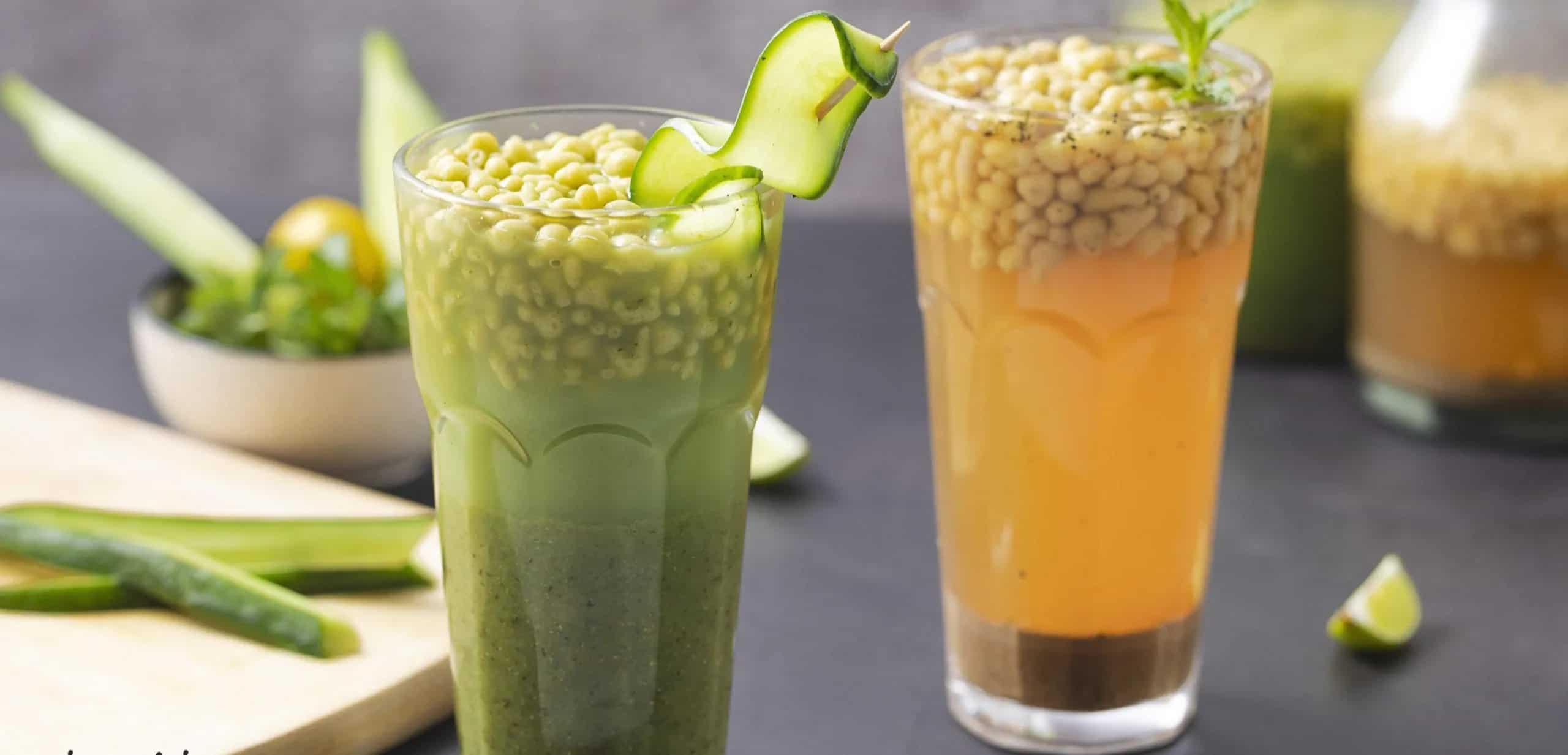
The process of making Jal Jeera is fairly uncomplicated. As the name suggests, it is primarily made of two ingredients—Jal (water) and Jeera (cumin). In Indian households, jeera is grounded into a fine powder in a mortar and pestle and then mixed with black pepper powder, dried mint leaves, rock salt, a dash of lime or any other citrus fruit and red chilli powder. Then a spoonful of this mix is diluted with water and garnished with another slice of lime. Traditionally, it was preserved in clay pots, making it more alkaline and thus, the apt choice for acid reflux.
Nutritional Value
94
Calories
per serving
- Fat3 g
- Protein3 g
- Carbs12 g
- Fiber5 g
- Sodium0 g
- Others0 g