


- Home
- Slurrp360
- Main course
- Thukpa
Thukpa
Nutritional Value
1449
Calories
per serving
- Fat42 g
- Protein31 g
- Carbs226 g
- Fiber30 g
- Sodium0 g
- Others0 g
- Place of OriginTIBET
- CuisineAsian,Tibetan
- Common Ingredients
- CourseMain Course
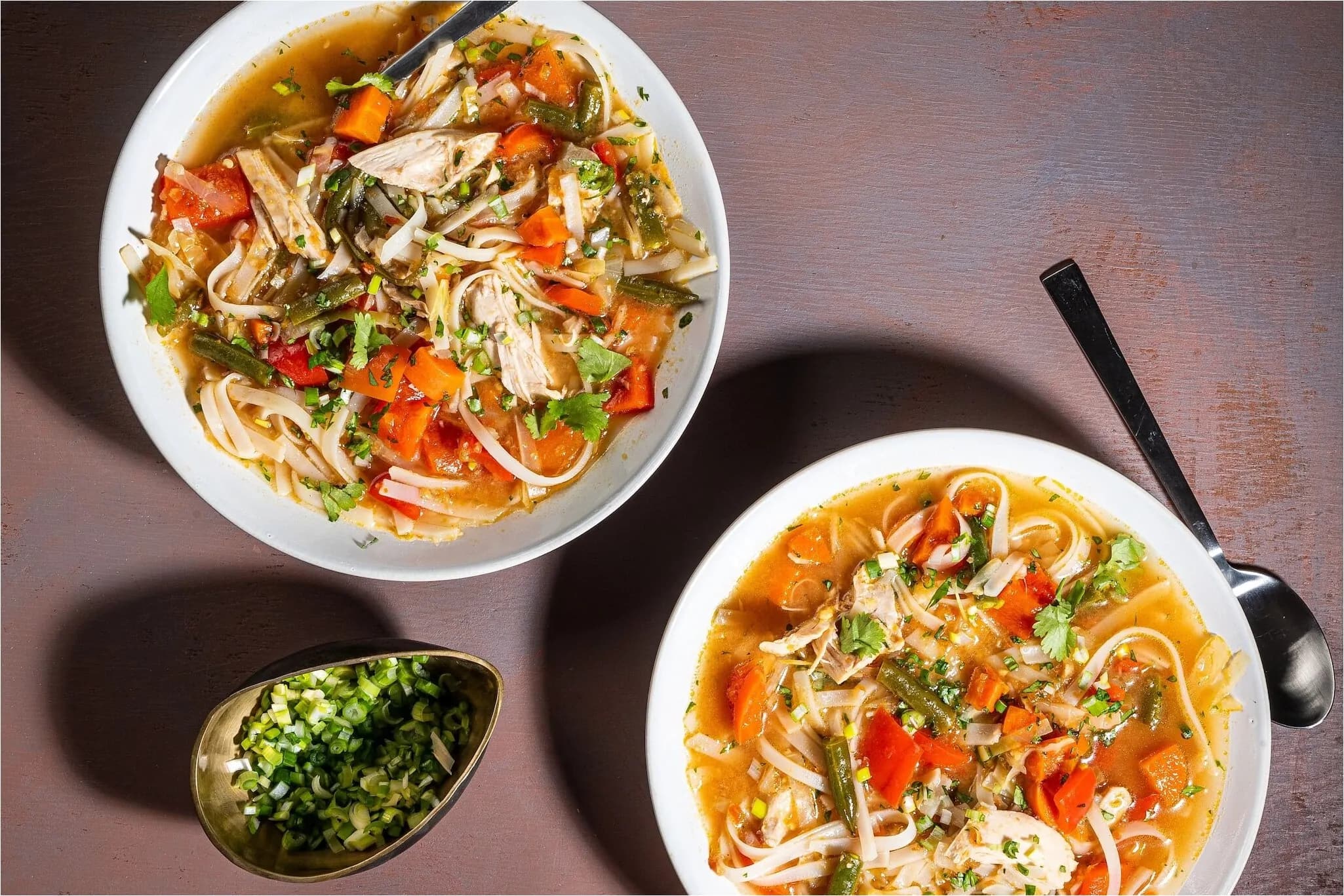
From the lap of the majestic Himalayas to the palates of the Indian mainland, the journey of the humble Thukpa has been perilous yet fascinating. The Thukpa etymologically refers to noodles in a bowl of stew. The dish is an integral staple consumed across the mountainous regions of Tibet, Nepal, Bhutan and the Indian states of Sikkim, Assam, Nagaland, Arunachal Pradesh, Ladakh and Himachal Pradesh, especially in the Monpa community.
Thukpa, a distinctive and traditional dish, is conventionally prepared in mutton stew, with noodles, vegetables, meats and spices added to the broth. Though the genesis of this marvel can be traced to the rugged terrain of the Amdo region in Tibet, it has left an unforgettable impression in the hearts of many. Each region started to adapt its own variation of the dish, like the Thenthuk (hand-pulled noodles), Gyathuk (Chinese noodles), Thuppa (Nepali), Pathug (hand-rolled pinched noodles) and Drethug, and assembled a new flavour profile for themselves. It is also interesting to note that in summers, the Tibetan Thukpa is cooked using cold noodles while in winter, it is served in a steaming hot bowl of soup to rejuvenate locals in the frost-bound temperatures.
A rather vintage dish amongst the Tibetans, the Thukpa’s arrival in India is an intriguing tale. Around 1959, the Dalai Lama had to flee his native residence in Tibet to seek refuge in India. With him came not only a throng of his ardent followers but also the much sought after Thukpa. It was their primary source of sustenance, along with the Tsampa, during their arduous expedition to India. While in exile, the Dalai Lama’s mother presented the Thukpa to the refugee community in India. And before you know it, this exquisite dish became a customary and cherished cuisine.
Every year, during the festivities of Losar or the Tibetan New Year, the customary Guthuk variant of Thukpa is served. As per the rituals, nine drops of the soup from the first bowl of Thukpa is kept as an offering. It is understandable then that any special occasion in the Himalayan region is incomplete without a piping hot bowl of this delectable.
Though its striking similarity with the popular Japanese Ramen cannot be ignored, the core ingredients are what set the two dishes apart. Different innovations and combinations have gone in, not only to suit the taste buds but also according to the availability of the resources—be it the Putang Thukpa where buckwheat is used and topped with yak meat, the spicy Nepali Thukpa, or the much blander Thukpa from Sikkim.
Nutritional Value
1449
Calories
per serving
- Fat42 g
- Protein31 g
- Carbs226 g
- Fiber30 g
- Sodium0 g
- Others0 g