


- Home
- Slurrp360
- Main course
- Shahi Paneer
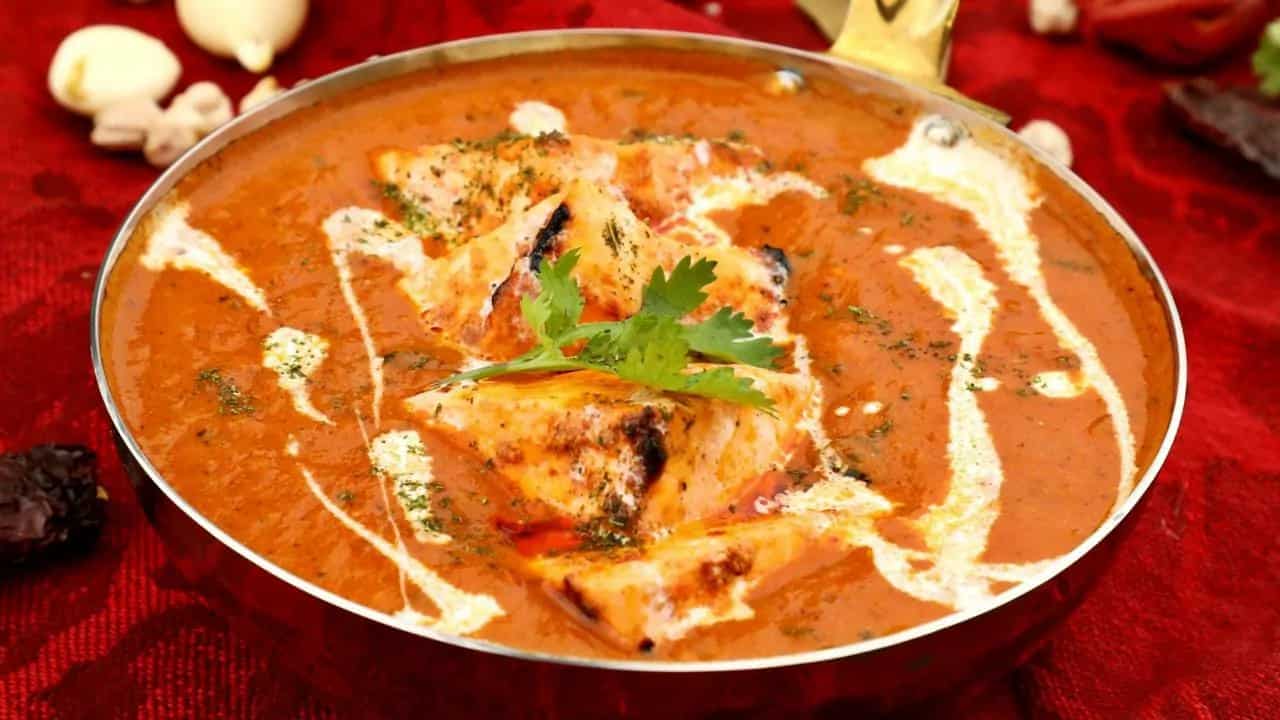
Shahi Paneer
Nutritional Value
2128
Calories
per serving
- Fat133 g
- Protein114 g
- Carbs120 g
- Fiber32 g
- Sodium0 g
- Others0 g
- Place of OriginPERSIA
- CuisineAsian,Middle Eastern,Persian
- Common Ingredients
- CourseMain Course
Home to a multitude of diversified cultures, India discernibly stands as a pot-pourri of culinary wonders. The subcontinent has often been hailed for the sheer number of vegetarian delicacies it has to offer. Vegetarianism has been around since ancient times, and one of the most sought-after ingredients in a vegetarian platter today is Paneer (cottage cheese). The origin of Paneer in India has contested views. The National Dairy Research Institute states that Paneer arrived in India with the Afghan and Iranian Invaders. Based on texts like Charaka Samhita, historians like BN Mathur have traced the presence of heat-acid induced coagulated milk to the Kushana-Satavahana era. On the other hand, writers like K.T. Achaya credits the Portuguese for introducing the technique of breaking milk, to Bengal in the 17th century.
Whatever may be its route, the advent of Paneer in India, opened up doors to numerous possibilities, leading to innovations like the Shahi Paneer. The term paneer is said to be derived from the Persian word for cheese and Shahi literally refers to 'royal,' alluding to both the regal nature of the palate as well as a dish for the Shah (king). The rich and creamy, velvety smooth texture and sweet-tarty flavour is reached by submerging cubed paneer in a thick gravy made from a blend of onions, tomatoes, cashew paste and a generous amount of cream, butter and aromatic spices. This piquant savoury is often accompanied by naan (Indian bread), roti (flat bread) or rice and is synonymous to Indian culture today.
Conceived in the kitchens of the Mughal Sultanate, the inception of the Shahi Paneer was a pleasant accident. It is believed that once a cook of the royal kitchen was preparing the much revered Malai Kofta and simultaneously cutting paneer cubes for a separate dish. Multitasking was critical to curate the royal buffet in time. In haste, a portion of the cut paneer accidentally fell into the kadhai (vessel) of the malai kofta. Fearful of getting reprimanded, he quickly removed the paneer and had it hidden. Later when he sat down and tasted it, what he thought to be a debacle turned out to be sheer astonishment – giving us the Shahi Paneer. Shortly after, the dish found its place in the royal menu served to the emperor and the royalty.
Similar dishes like the Paneer Lababdar and Paneer Makhani have frequently been compared due to their uncanny similarities. However, certain spices, condiments and textures continue to alleviate the subtle yet much enjoyable differences.
Nutritional Value
2128
Calories
per serving
- Fat133 g
- Protein114 g
- Carbs120 g
- Fiber32 g
- Sodium0 g
- Others0 g