


Fara
Nutritional Value
1753
Calories
per serving
- Fat15 g
- Protein76 g
- Carbs319 g
- Fiber41 g
- Sodium0 g
- Others0 g
- Place of OriginCHATTISGARH
- CuisineAsian,Indian
- Common Ingredients
- CourseStarter & Appetizer
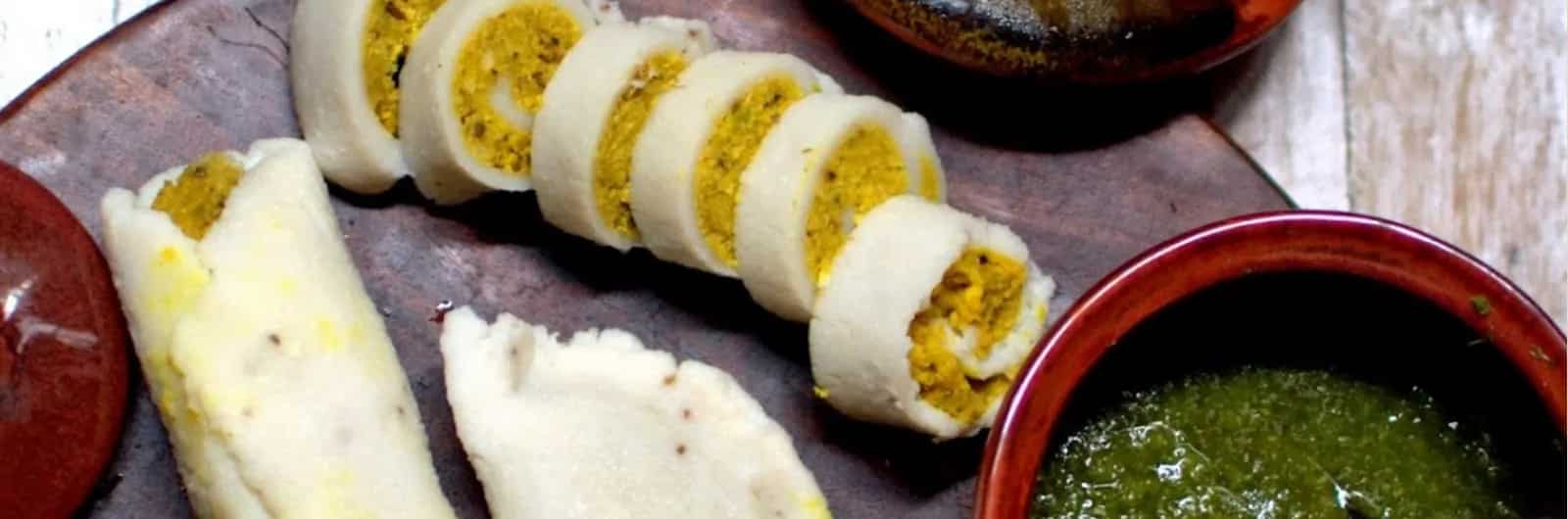
Indian cuisine is no doubt predominated by lavish curries and exorbitant mixtures of condiments and emulsions. However, many regional pockets, like the often-unappreciated tribal cuisines, have certain dishes in their repertoire that are overwhelming to taste and a matter of astonishment due to the sheer simplicity of ingredients. One such delicacy from the Indian state of Chhattisgarh is the Fara, or Phara, a simple rice flour dish that is hard to resist slurping on.
To make a bowl of Fara, rice flour is added to a salted and marginally oiled pot of boiling water, stirred to make a thick and smooth paste, and once cooled, moulded into sticks or rolls. In a Kadhai (wok) smeared in oil, roasted sesame seeds, green chillies, garlic, and coriander paste are thoroughly mixed and boiled with water. When the mesmerising aroma of the spices fill the kitchen floor, the rice sticks are added to the gravy, cooked for some more time, and served hot with a lavish garnish of fresh coriander leaves. The traditional accompaniments include tamarind chutney and Bimbli pickle.
Though some people claim Fara to have originated in Varanasi, the larger consensus hints at an authentic Chhattisgarhi origin. As is true of most tribal cuisines, owing to the lack of written records, there is no specific origin of the dish known yet. Some presume that Chhattisgarh, which derives its name from the ancient Chedisgarh or ‘empire of the Chedis’, reached the height of society-building during the reign of the 11thcentury Kalchuri Dynasty, locally referred to as the Chedis. The dish might have been handed down through generations from that time, or might be even older, tracing back to the 3rd century Mauryan rule in Chhattisgarh.
Though the specific point of time in history is unknown, Fara can certainly be accredited to the state by virtue of its chief ingredient. The use of rice flour is in tandem with the fact that Chhattisgarh is the rice bowl of Central India and has innumerable rice dishes in its repertoire, originating from the fertile banks of River Mahanadi.
Nutritional Value
1753
Calories
per serving
- Fat15 g
- Protein76 g
- Carbs319 g
- Fiber41 g
- Sodium0 g
- Others0 g