


- Home
- Slurrp360
- Main Course
- Dum Aloo
Dum Aloo
Nutritional Value
842
Calories
per serving
- Fat54 g
- Protein31 g
- Carbs53 g
- Fiber48 g
- Sodium0 g
- Others0 g
- Place of OriginNORTH,INDIA
- CuisineNorth Indian
- Common Ingredients
- CourseMain Course
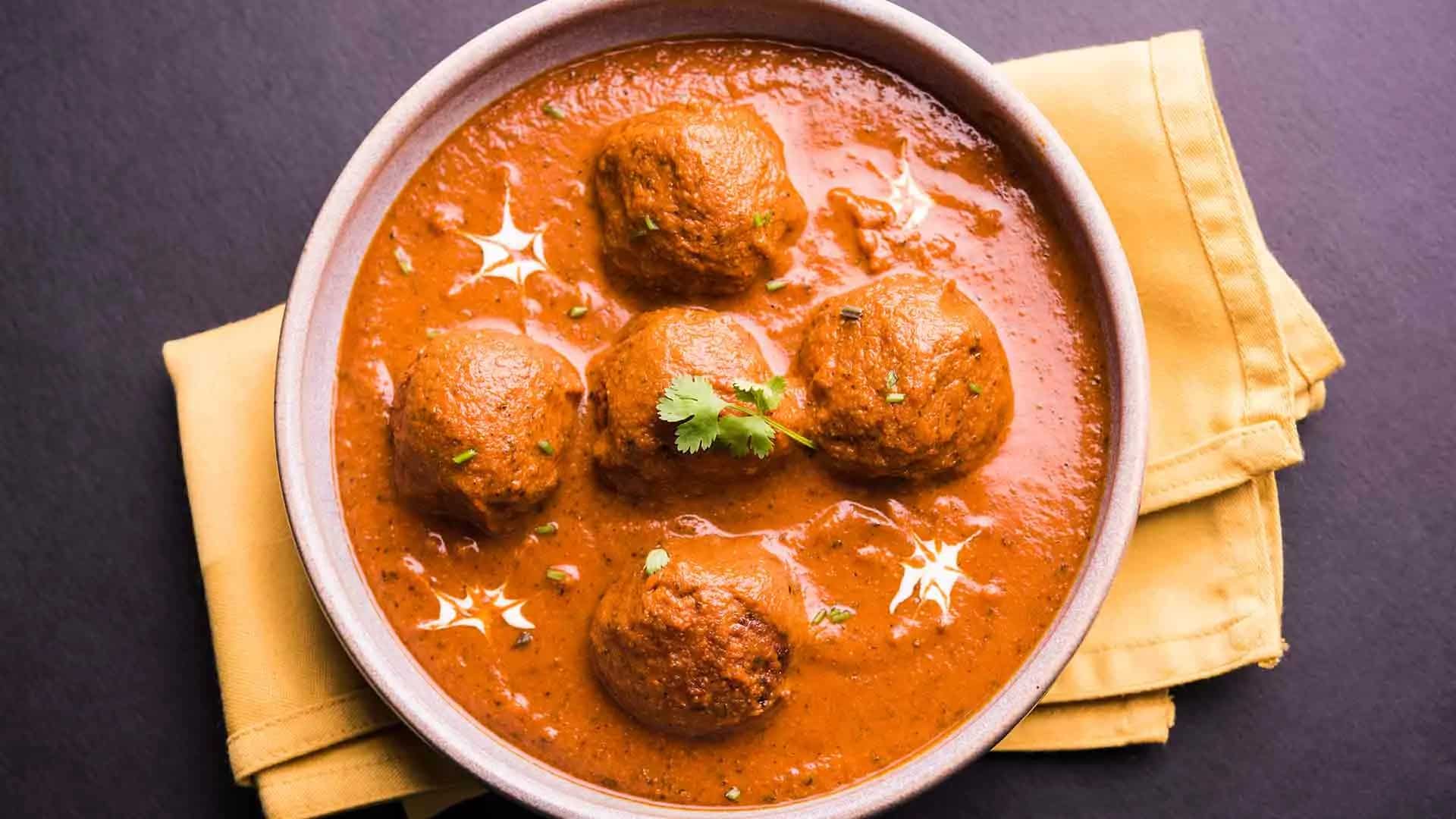
Whenever we discuss Kashmiri cuisine, there is an inherent focus on its resplendent meat delicacies. The Dum Aloo, or Aloo Olav as is popularly called in the region, is one of the selected few vegetarian dishes to come out of Kashmir’s repository and is a culinary identity of the Pandits. It is believed that the dish originated as a response to the arduous quest of the vegetarian Pandits to find a signature dish in a largely meat-driven society.
The word "dum" in Urdu means slow cooked while "aloo" refers to our lifelong companion, the potato. The dish is a perfect blend of golden fried baby potatoes and authentic Kashmiri spices cooked together in a yoghurt or mawa (milk solids) sauce. The result is a vegetarian ecstasy that has long left the artistic valley to become a regular extravagance all along the Gangetic plain.
Interestingly, potatoes were popularised as Batata by the British East India Company in the 18th century. It is often argued that the introduction of the potato was a part of the larger British machination to justify imperialism, claiming that the potato was an embodiment of the food security they had bestowed on the people. Regardless of the intention, the arrival of the potato provided the northern hilly regions with a new profitable produce and soon, Kashmir’s Bosian province was home to numerous plantations.
Legend has it that Dum Aloo travelled down to the Indian mainland along with Kashmiri artisans and Wazas in the era of the Mughal decline. In modern day Uttar Pradesh, this Kashmiri delicacy was transformed into a strictly vegetarian ensemble, leaving behind the occasional garlic used in the valley and adding the piquancy of Portuguese-imported tomatoes. By the time the dish reached Bengal, the potato had already become a symbol of the superior westernised cordon bleu to the Bengali aristocracy. It was in the cosmopolitan cauldron of Calcutta, where a significant number of Kashmiri shawl makers reside to this day, that Dum Aloo became the homely Aloor Dom.
A different version of the eastern Dum Aloo’s origin centres around Oudh and its vibrant Islamic past. It is said that Nawab Asaf-ud-Daulah’s Nanbais (market cooks) created a new version of the Mughal Dum Pakht with turnips introduced by travelling Kashmiris. When Wajid Ali Shah relocated to Calcutta, his cooks recreated the Oudh delicacy but with the Bengal famous potato, giving rise to the modern-day Aloor Dom.
Nutritional Value
842
Calories
per serving
- Fat54 g
- Protein31 g
- Carbs53 g
- Fiber48 g
- Sodium0 g
- Others0 g