


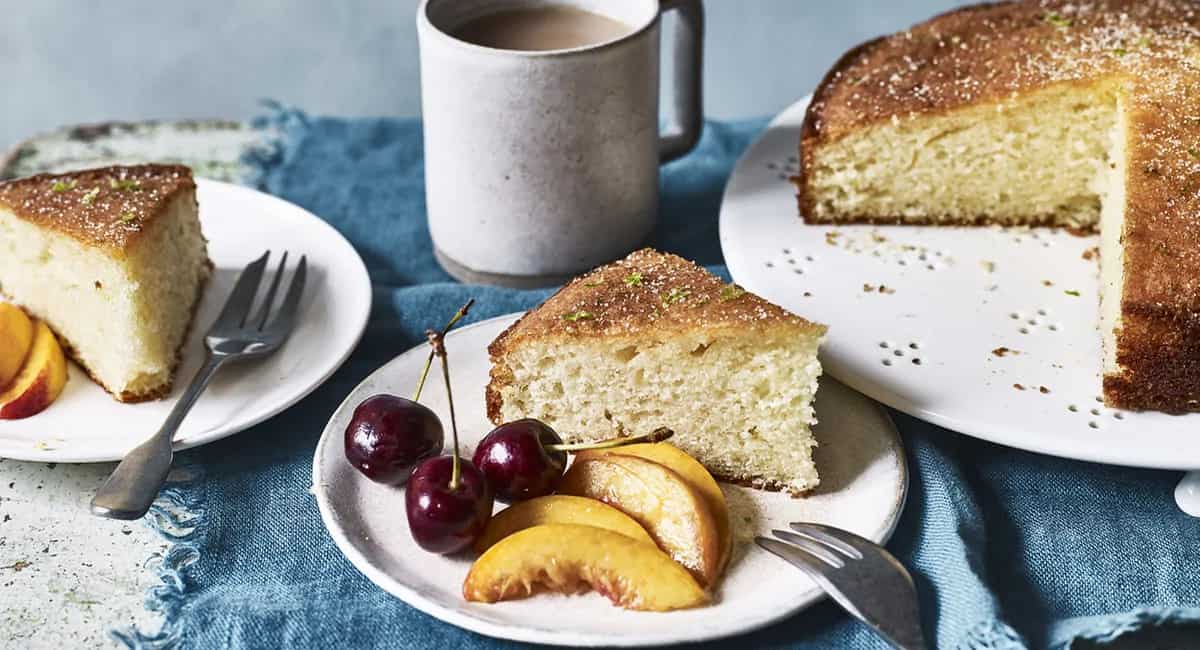
Yoghurt Cake
Nutritional Value
3548
Calories
per serving
- Fat263 g
- Protein36 g
- Carbs266 g
- Fiber7 g
- Sodium0 g
- Others0 g
- Place of OriginFRENCH
- CuisineEuropean
- Common Ingredients
- CourseDessert
A low sweet, easy to bake cake, the Yoghurt Cake is a versatile cake one can eat any time of the day, from breakfast and as dessert to a tea time snack. It’s made using everyday items like eggs, sugar, yoghurt, oil, vanilla extract, baking powder, salt, and all purpose flour. It's soft, fluffy, and lightly flavoured from the vanilla essence and has a slight tang from the yoghurt. Additions like lemon zest, chocolate chips or chopped berries can also be made, adding a personalised flavour to the cake. Simply dust powdered sugar for a touch of toppings, or use whipped cream and fresh fruit.
Yoghurt cake, also called gâteau au yaourt, is a French classic. Given its simplicity, it's often the first baked good children are taught how to make. Traditionally, the ingredients were measured in small yoghurt cups, giving the cake its name.
The Yoghurt Cake belongs to a long tradition of baking cakes, which has roots in ancient Egypt. There was not much difference between cake and bread at the time, but they discovered using yeast as a leavening agent. Their cakes were slightly uneven, flat breads which were sweet, and cooked on a hot stone. Following, the Ancient Greeks also baked round cakes and bread, sweetened with honey. The shape symbolised the moon, and was an offering to Artemis, the Moon Goddess. It was as recently as the 15th century that the Germans celebrated birthdays with cakes, which were still bread-like and not as sweet as they are today.
The Yoghurt Cake descends from this long history of baking simple cakes, using a few ingredients, for every day consumption.
Nutritional Value
3548
Calories
per serving
- Fat263 g
- Protein36 g
- Carbs266 g
- Fiber7 g
- Sodium0 g
- Others0 g