


Bengali Payesh Recipe: Traditional Rice Pudding With Milk, Sugar And Cardamom Recipe
Recipe By Slurrp Editorial
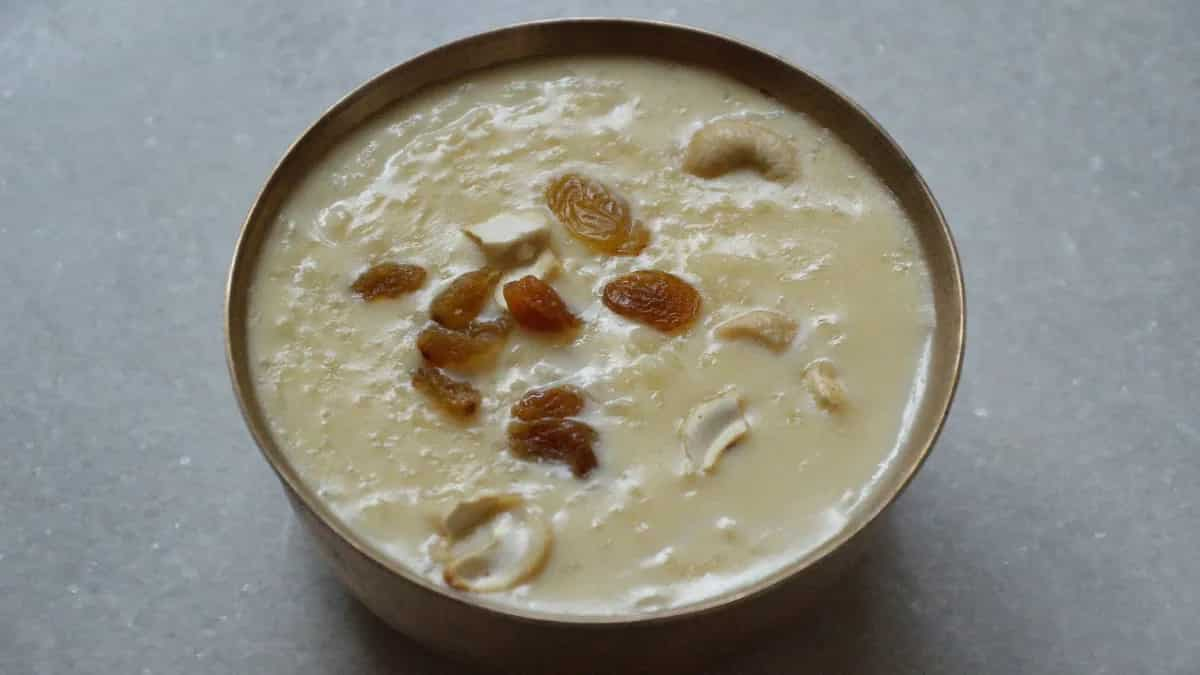
Payesh is a highly adored Bengali dessert that turns simple ingredients into a bowl of creamy, comforting sweetness. Traditionally prepared using fragrant gobindobhog rice, full-fat milk, and sugar, it is a very nostalgic and familiar presence at birthdays, festivals, pujas, and various auspicious family occasions. Slow-cooked until the rice softens and the milk thickens to a kheer consistency, this delicately flavoured pudding needs little more than cardamom, cashews, and raisins to feel special. Serve it warm, for a cosy bowl, or chilled for an indulgent taste of classic Bengali home cooking.
0
0 Rating -
Rate

Vegdiet
1hr 15minstotal
1hr 15m.total
plan
Bookmark
ingredients serve
serve1
Add to Shopping ListIngredients for Bengali Payesh Recipe: Traditional Rice Pudding With Milk, Sugar And Cardamom Recipe
- 1/4 litre Full-fat milk
- As required ¼ cup gobindobhog rice
- 2.25 tbsp –sugar
- As required or to taste
- 1/2 tbsp cashew nuts
- As required Halved
- 1/4 tbsp Raisins
- 1.75 nos – green cardamom pods
- As required lightly crushed
- 1/4 tbsp Ghee
- 1/4 nos small bay leaf (optional)
- As required A few strands of saffron (optional)
Directions: Bengali Payesh Recipe: Traditional Rice Pudding With Milk, Sugar And Cardamom
- STEP 1.First, wash your gobindobhog rice gently under running water until the water runs mostly clear. Then drain thoroughly and leave it aside for a few minutes. After that, toss the drained rice with ½ teaspoon of ghee to coat the grains lightly.
- STEP 2.Then pour the milk into a heavy-bottomed pan and bring it to a gentle boil over medium heat, stirring occasionally to prevent it from sticking to the bottom. This is the time to tip in the bay leaf, if using.
- STEP 3.Now reduce the heat to low and add the washed rice directly to the simmering milk. Cook uncovered for 30 to 40 minutes, patiently stirring frequently and scraping the bottom and sides of the pan. Let the rice soften completely as the milk gradually thickens. If the mixture becomes too thick before the rice is tender, you can add a little hot milk and continue cooking.
- STEP 4.Once the rice has become tender and the milk has been reduced to a creamy consistency, remove the bay leaf. Your payesh should be slightly loose at this stage, as it will thicken further while cooling.
- STEP 5.Stir in your crushed cardamom and saffron, if using, and continue simmering for a minute so that the flavours infuse into the milk.
- STEP 6.You can add the sugar only after the rice is completely cooked. Stir until the sugar dissolves, then simmer gently for another 2 to 3 minutes. Be alert, and avoid prolonged cooking after adding the sugar, as the payesh will continue to thicken as it rests.
- STEP 7.In the meantime, heat your remaining ghee in a small pan. Pour in the cashews and fry until lightly golden. Then add the raisins and cook briefly until they swell. After that, you can stir your ghee-laden nuts and raisins into the payesh.
- STEP 8.Finally, turn off the heat and let your payesh rest for 10 to 15 minutes. Serve warm, at room temperature or chilled, according to preference. If refrigerating, allow it to cool promptly and store in a covered container.
Nutrition
value
value
1457
calories per serving
85 g Fat20 g Protein160 g Carbs< 1 g FiberOther
Current Totals
- Fat85g
- Protein20g
- Carbs160g
- Fiber< 1g
MacroNutrients
- Carbs160g
- Protein20g
- Fiber< 1g
Fats
- Fat85g
Vitamins & Minerals
- Calcium118mg
- Iron4mg
- Vitamin A8mcg
- Vitamin B1< 1mg
- Vitamin B2< 1mg
- Vitamin B36mg
- Vitamin B6< 1mg
- Vitamin B9300mcg
- Vitamin B12< 1mcg
- Vitamin C< 1mg
- Vitamin E< 1mg
- Copper< 1mcg
- Magnesium301mg
- Manganese3mg
- Phosphorus317mg
- Selenium4mcg
- Zinc< 1mg
Percent Daily Values are based on a 2000 calorie diet. All nutritional information presented are estimates and not meant to substitute professional dietary advice or treatment
Recipe available on Loading... community profile
Recipe By Slurrp Editorial