


Is Your Mango Safe? 5 Ways To Identify Chemically Ripened Fruit
In the height of the summer season, the search for the perfect mango often feels like a high stakes sport where the rewards are sweet but the risks are high. While the markets are flooded with fruit that looks picture perfect, much of the stock is fast tracked using calcium carbide to meet demand. These chemically matured mangoes might look appealing on a shelf, but they lack the depth of flavour and the nutritional integrity of a fruit that has ripened at its own natural pace.

- Admin User
Updated : April 16, 2026 08:04 IST

Share


Visual Appearance And Colouring
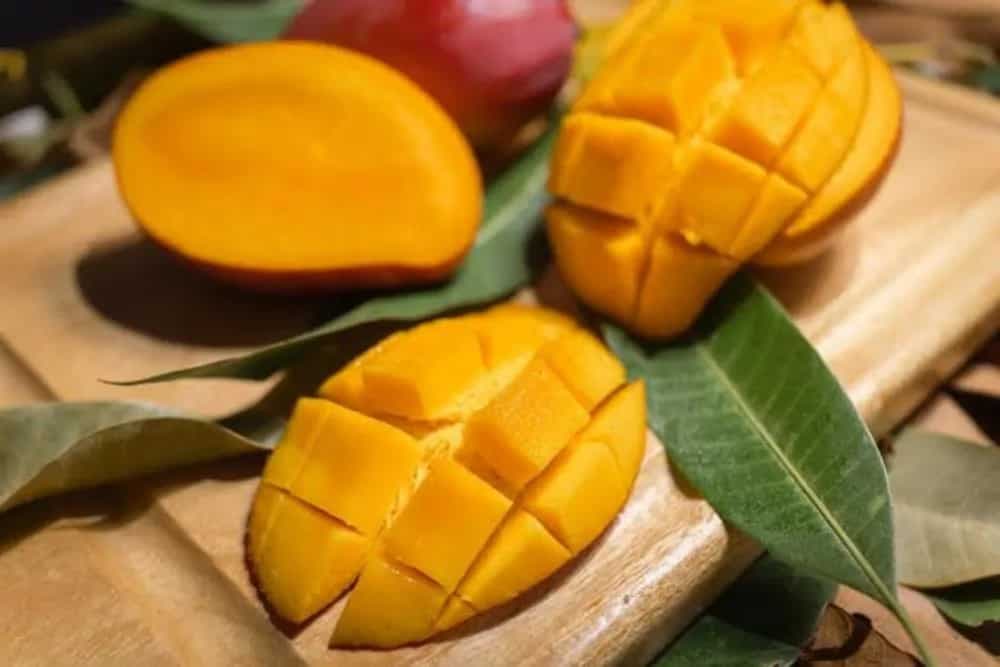
Naturally matured mangoes typically display a patchy appearance with a blend of green and yellow hues across the skin. In contrast, those treated with chemicals often appear unnaturally perfect with a uniform and bright lemon yellow colour across the entire fruit. You might also notice dark greyish or blackish patches on the skin of chemically forced fruit which indicates the presence of industrial grade ripening agents that have reacted with the surface.
Intensity Of The Fragrance
The aroma of a mango is one of the most reliable indicators of its quality and authenticity. A fruit that has ripened on the tree will emit a heady and floral fragrance that is particularly strong near the stem. Conversely, a chemically ripened mango will often have no scent at all or might carry a faint metallic smell that suggests it was harvested well before it reached true maturity.

Texture And Consistency Of The Flesh
When you apply gentle pressure to a naturally ripened mango, it should feel consistently soft but firm throughout its body. Chemically treated fruits often exhibit uneven softening where some parts feel mushy while other sections remain unnaturally hard. This irregular texture occurs because the ripening gas only affects the surface of the fruit without properly maturing the core or the stone.

Density And The Water Immersion Test
Performing a simple water test can reveal the internal density and sugar concentration of the fruit. A naturally matured mango is heavy and full of concentrated juices which causes it to sink to the bottom of a bucket of water. If the mango floats on the surface, it is a clear sign that the fruit is immature and was forced to change colour through artificial means before its natural sugars could fully develop.
Colour Of The Internal Pulp
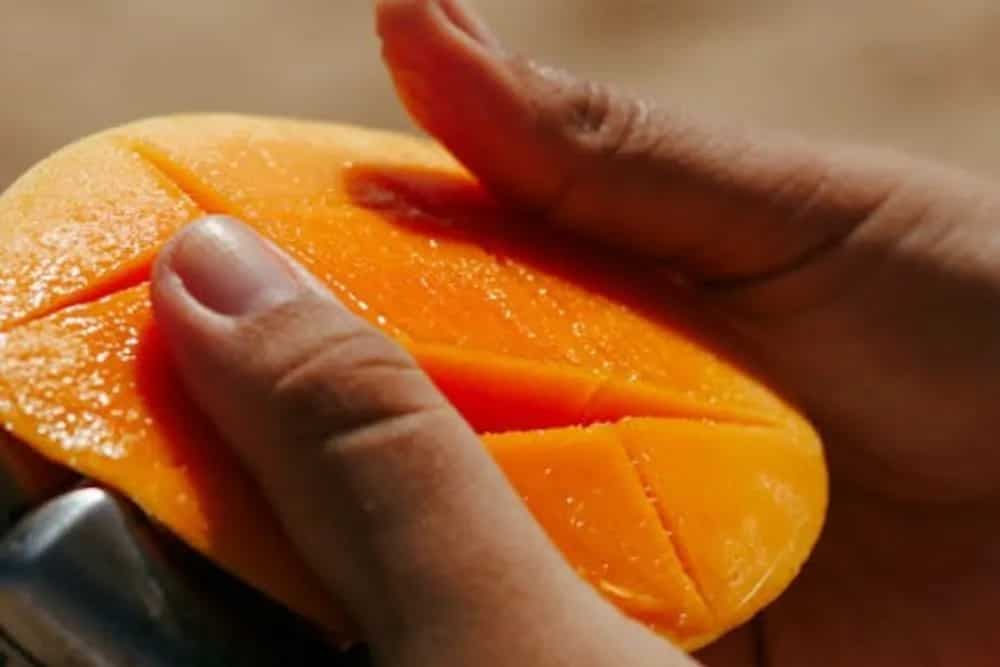
The final reveal happens once the mango is sliced open to inspect the internal pulp. A high quality and naturally ripened mango will boast a deep and vibrant orange colour that remains consistent from the skin to the centre. Chemically ripened mangoes frequently look pale and anaemic inside, lacking the characteristic juice and rich sweetness associated with a fruit that has developed its flavours at a natural pace.
Looking for Recipes?
Download the free Slurrp app.

